Lisbon

Tiles Beyond Tradition: Unearthing Portugal’s Ceramic Advertising Art

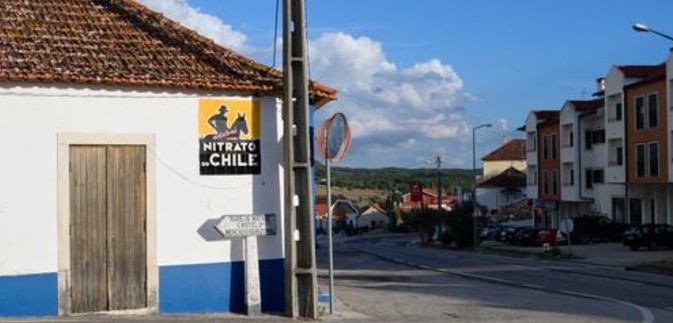
Portugal’s famous azulejos are celebrated for their intricate designs, vivid colors, and the stories they tell on church walls, palaces, and public spaces. But there’s a lesser-known chapter in this rich tradition: ceramic advertising panels. These artworks go beyond aesthetics, capturing a bygone era when businesses turned to tiles to convey their messages with durability and flair.

A Historical Perspective

In the late 19th and early 20th centuries, ceramic tiles became an innovative medium for advertising. Their resilience to weather and time made them perfect for promoting products, businesses, and services in public spaces. From train stations to shop facades, these advertising panels were not just practical; they were also a testament to the artistic creativity of their time.

These panels often featured intricate designs, bold typography, and vibrant imagery to catch the eye of passersby. Beyond mere commerce, they reflected societal trends, local businesses’ stories, and the artistic zeitgeist of their era.

Preserving a Unique Legacy

Today, these tiles stand as cultural artifacts, quietly scattered across Portugal’s urban and rural landscapes. Projects like Azulejo Publicitário are dedicated to cataloging, preserving, and celebrating this unique art form, ensuring it remains a cherished part of Portugal’s cultural identity.

How to Participate in the Journey

As you explore Portugal, keep an eye out for these hidden gems. They could be tucked away on a building wall or decorating a corner of a town square. Every panel you discover tells a story of its time—a snapshot of a past era.

If you come across one, take a photo and share it with initiatives like Azulejo Publicitário. This collective effort not only raises awareness but also contributes to safeguarding these artistic relics for future generations.

More than Just Tiles

These advertising panels are more than promotional artifacts; they are a testament to the marriage of commerce and art, creativity and utility. By seeking out and sharing them, you help keep alive the history and craftsmanship that shaped Portugal’s vibrant visual culture.

For more information and examples, visit Azulejo Publicitário and their Facebook page. Let’s celebrate this unique chapter of Portuguese artistry together!

#Useful_Tips #Portugal_Unplugged


If you want this as a day out
I run private and small-group days in 100% electric vehicles. Related option:

Custom private day – ask if you want this on a tour – check dates on the site.
Faces of the Village: A Journey Into the Heart of Rural Portugal

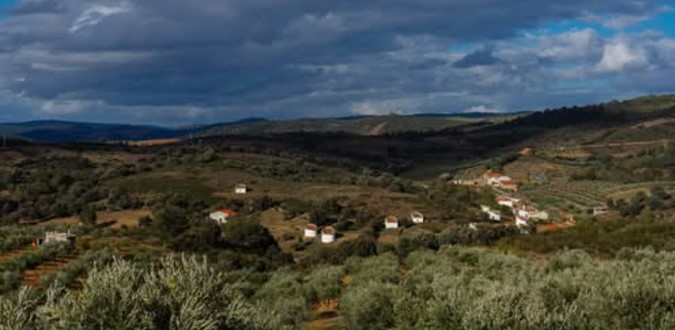
Hidden in the tranquil corners of northern Portugal lies a world that few have experienced—a world of perseverance, rediscovery, and cultural revival. Rostos da Aldeia (Faces of the Village) is a remarkable project dedicated to spotlighting these lesser-known stories and ensuring that rural communities and traditions are not forgotten.

The Dream That Began in Paris

Aline Domingues, born in Paris and trained as a biologist specializing in fermentation, felt the pull of her ancestral roots in the Planalto Mirandês region of Portugal. Inspired by her grandfather’s old vineyards, she embarked on a journey to revive these lands, cultivating wine that celebrates tradition and terroir. Her brand, Menina D’Uva, exclusively uses old vines and traditional grape varieties, farmed organically and fermented naturally.

Finding a Home in Uva

Joining Aline in this rural renaissance is Emanuele, an Italian volunteer who arrived in Portugal through an Erasmus program. Drawn to the village of Uva, he immersed himself in rural heritage, learning to make wine, olive oil, bread, and even cheese. Together, they have breathed life back into this remote community, where for over two decades, no children had been born—until Olmo, Aline’s son, arrived, symbolizing hope and continuity.

Rostos da Aldeia: A Tribute to Rural Resilience

The Rostos da Aldeia project is more than a storytelling platform; it’s a call to action. It brings to light the untold narratives of villages like Uva, where individuals reconnect with forgotten traditions and prove that innovation and heritage can coexist. Through its work, the project fosters a sense of pride in these communities and inspires others to explore and invest in the “other” Portugal.

A Legacy to Cherish

By following projects like Rostos da Aldeia, you not only uncover authentic stories but also contribute to preserving rural Portugal’s essence. Whether it’s tasting a bottle of Menina D’Uva wine, visiting Uva to see its transformation, or simply spreading awareness, every small action helps.

Read more about this inspiring story and explore the village of Uva here.

#Useful_Tips #Portugal_Unplugged

Also useful
Basketry with César Pereira
Weekly market & traditions day (Thursdays)
Schist villages – private tour


If you want this as a day out
I run private and small-group days in 100% electric vehicles. Related option:

Weekly market & traditions day – check dates on the site.

Weaving Time: Preserving the Art of Basketry Through César Pereira’s Craft

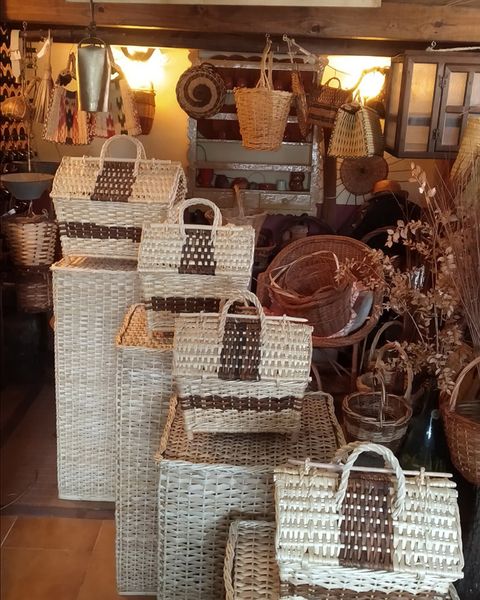
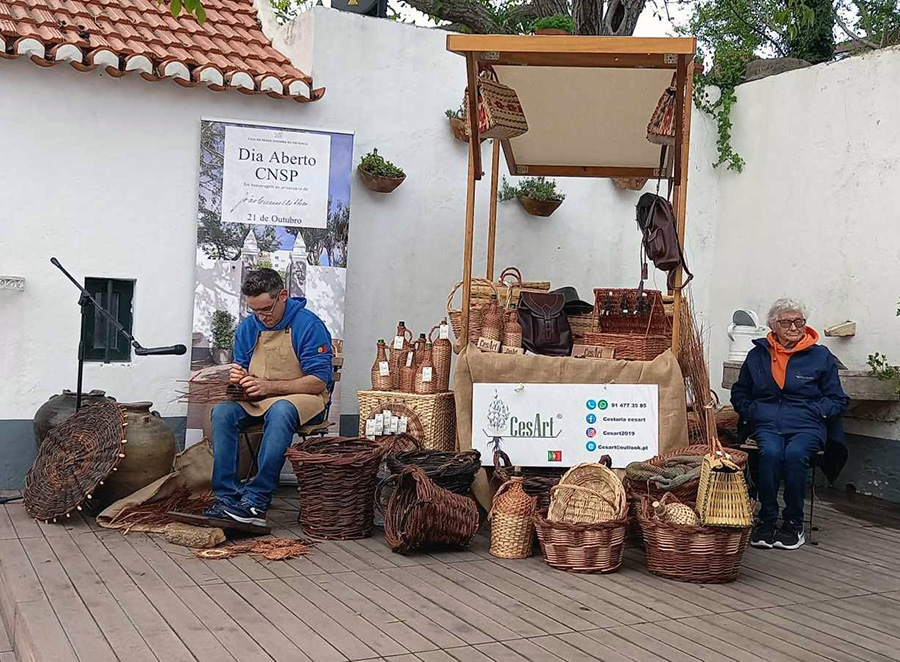
In a world increasingly dominated by mass production, the art of basket weaving stands as a testament to the beauty of tradition and the value of handmade craftsmanship. César Pereira, a young artisan with a deep reverence for this ancient craft, is on a mission to not only master the art but also ensure its survival for future generations.

From Willow to Weave

Basket weaving begins with a humble yet essential resource: willow branches. César’s dedication goes beyond weaving; he cultivates his own raw materials. With his growing willow plantations, César ensures a sustainable supply for his craft and for other artisans who share his passion.

Willow cultivation is no quick endeavor—it demands patience and care, with a cycle of two to three years before the branches are ready for harvesting. César’s plantations include two varieties of red willow:

  • Green willow: Ideal for intricate and delicate designs.
  • Red willow: Known for its cleaner branches, requiring less preparation before weaving.

This meticulous attention to the raw material sets the foundation for the high-quality craftsmanship that defines César’s work.

The Art of Basketry

Every basket is a story of tradition, patience, and creativity. César’s process blends age-old techniques with his innovative spirit, showcasing not just functional items but works of art. Each piece reflects the cultural heritage of Portuguese basketry while addressing modern needs for sustainable and eco-friendly products.

Why It Matters

As fewer artisans take up this labor-intensive craft, skills are at risk of being lost forever. César’s work is not just about creating baskets but about preserving an entire cultural legacy. His passion ensures that the intricate techniques and the knowledge of willow cultivation remain alive.

An Invitation to Discover

Through our Traditions Tour, we invite you to witness César’s artistry firsthand. Learn about the weaving process, the patience behind willow cultivation, and the stories that weave through every basket. This immersive experience offers not just insight but also an opportunity to connect with Portugal’s rich cultural tapestry.

Support local artisans like César and become a part of the movement to preserve these invaluable traditions. Together, let’s celebrate the craftsmanship that keeps heritage alive, one basket at a time.

#Useful_Tips #Portugal_Unplugged

Also useful
Faces of the village
Espigueiros in the north
Weekly market & traditions day (Thursdays)


If you want this as a day out
I run private and small-group days in 100% electric vehicles. Related option:

Weekly market & traditions day – check dates on the site.

Portugal’s Green Gold: The Art of Cork Harvesting

Did you know that Portugal produces over 50% of the world’s cork supply? Cork extraction is a sustainable, centuries-old tradition that continues to play a vital role in Portuguese culture and economy.

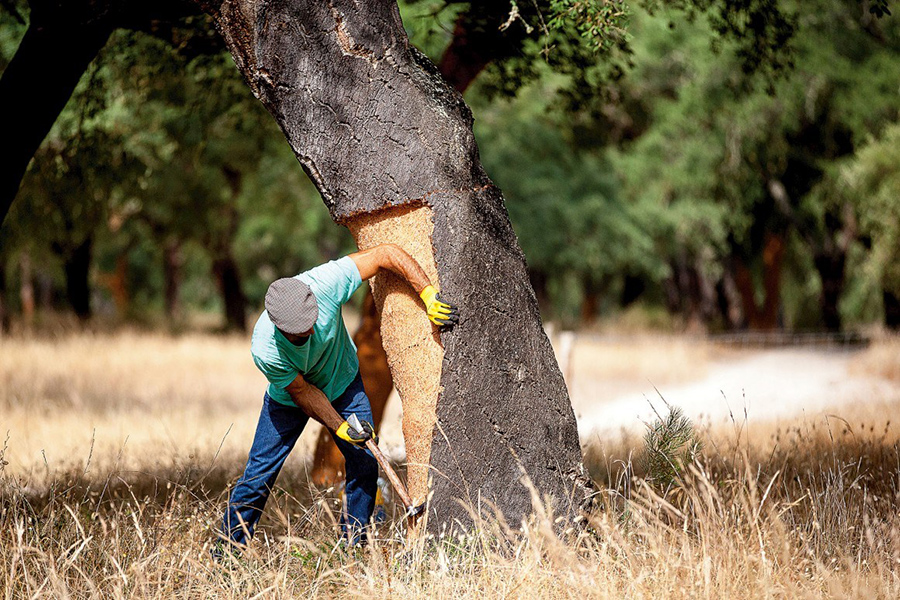
Cork comes from the cork oak tree (Quercus suber), and the process of extracting it is called “descortiçamento”. The cork oak tree is carefully harvested every nine years to allow the bark to regenerate and continue producing high-quality cork. The method is carefully crafted to ensure that the tree remains healthy and productive for many years.

The Process of Cork Harvesting

The cork extraction begins in late spring or early summer, when the bark is thickest. Skilled workers use specialized tools to gently strip the bark from the tree. First, they make a vertical cut and then a horizontal cut, which allows the bark to be peeled off in large sheets. This method prevents damage to the tree, enabling it to keep producing cork in future harvests.

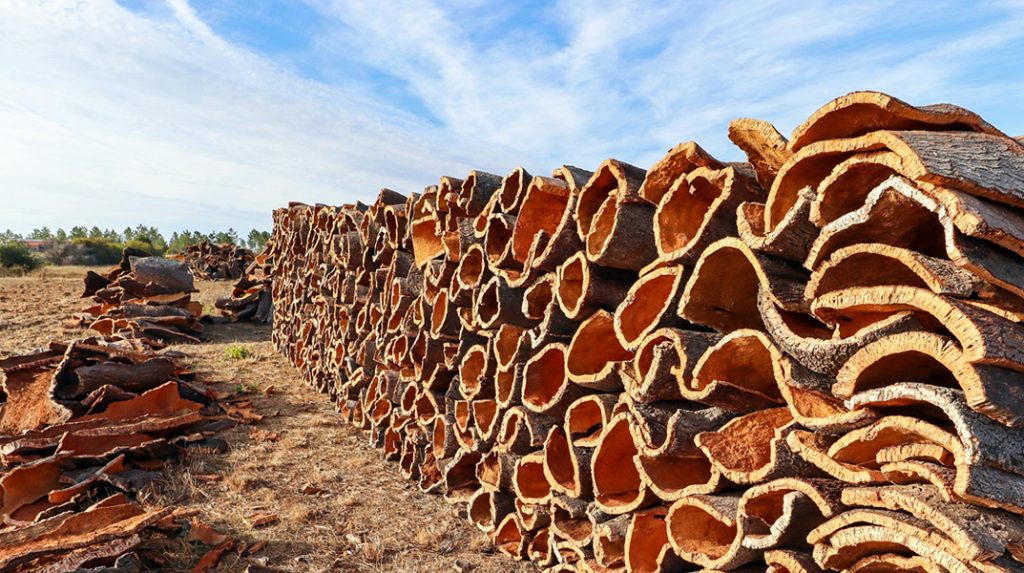
Once the bark is removed, it is left to dry for several months, allowing it to shrink and become more manageable. After drying, the cork is boiled to clean it and soften it for further processing. The cork is then sorted by quality and thickness before being sent to the market.

Sustainability of Cork Extraction

One of the key benefits of cork harvesting is that it is a sustainable practice. Since the cork oak tree is not cut down during the process, it can continue to produce cork for decades, making it a renewable resource. The practice is vital not only to the economy of Portugal but also to the conservation of cork oak forests, which provide a unique ecosystem for wildlife.

Cork Beyond Wine

While cork is widely known for its use in wine stoppers and flooring, it is also a popular material for handcrafted goods. In Portugal, you can find a variety of cork products, such as bags, wallets, hats, and even jewelry. Cork is valued for its lightweight, durable, and water-resistant properties, making it an eco-friendly and cruelty-free alternative to leather.

Experience Cork in Portugal

If you find yourself traveling through Portugal, you might spot a cork-themed roundabout decoration (as is the tradition in some regions). If you do, don’t forget to snap a photo and share it!

For a specific location with cork-themed artwork, check out this Google Maps link.

Next time you use a cork product, take a moment to appreciate the hard work and tradition behind this sustainable and versatile material.

#Useful_Tips #Portugal_Unplugged


If you want this as a day out
I run private and small-group days in 100% electric vehicles. Related option:

Évora, cork & wine – Alentejo private tour – check dates on the site.
A Royal Escape: Discovering Lisbon’s Ajuda Botanical Garden

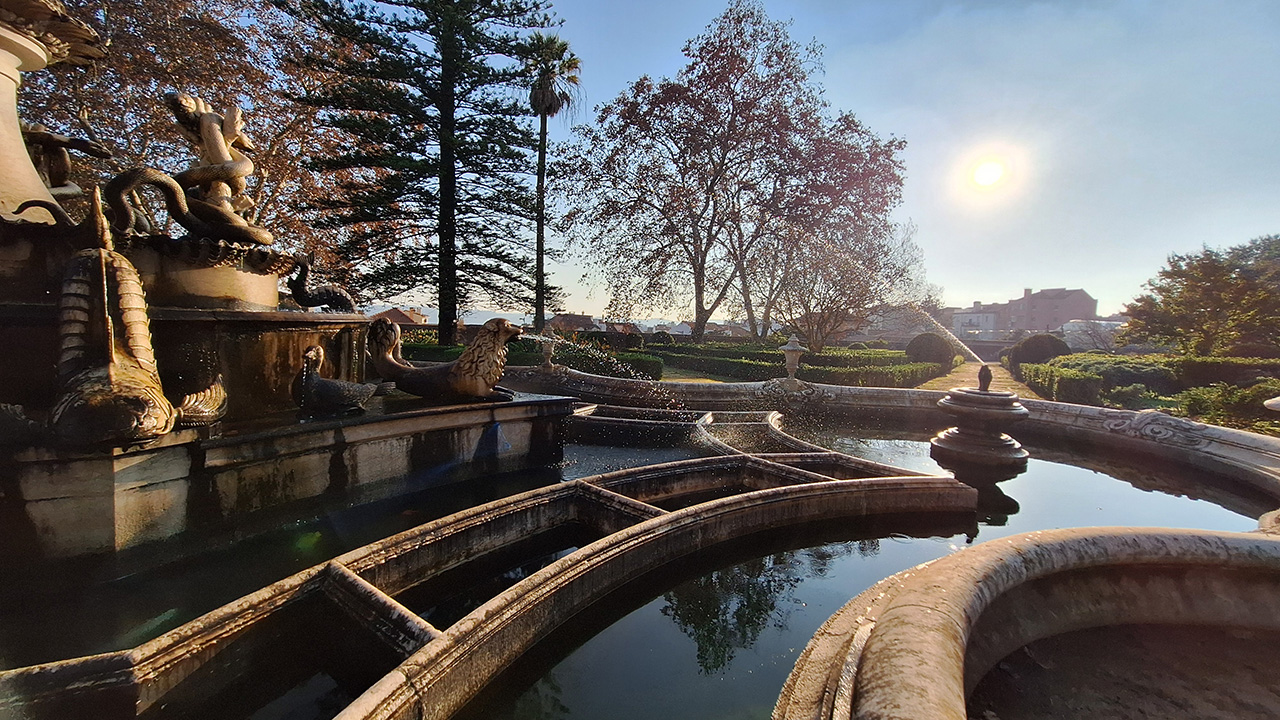
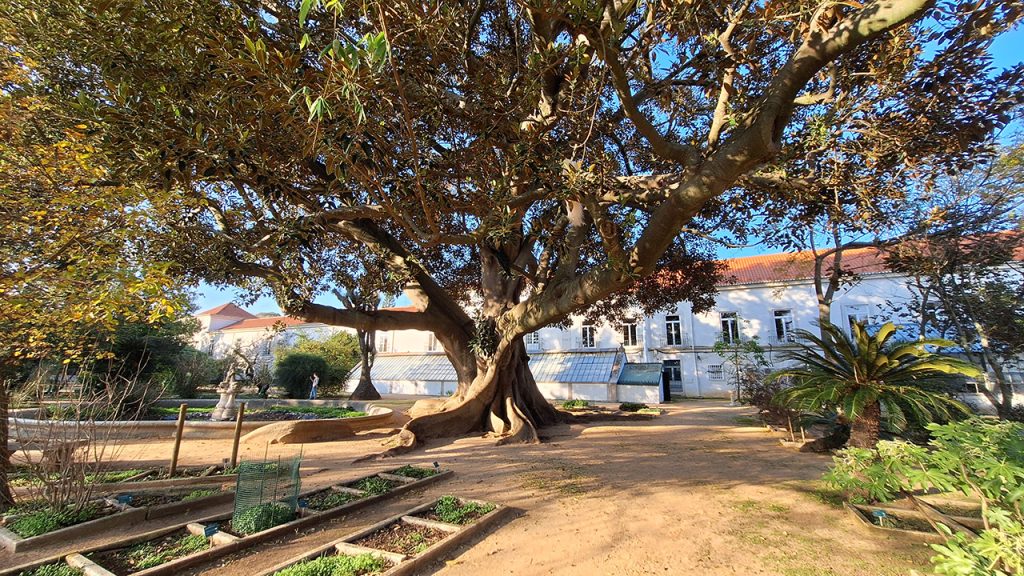
Tucked away from Lisbon’s bustling streets lies a serene haven brimming with history and natural beauty: the Ajuda Botanical Garden. Established in 1768 as part of the royal Ajuda Palace estate, this verdant gem is Portugal’s oldest botanical garden, offering visitors a glimpse into the past and a tranquil escape in the present.

A Historical Sanctuary

Created after the devastating 1755 earthquake, the Ajuda Botanical Garden was designed as a playground for the royal grandchildren. Its carefully manicured hedges, elegant fountains, and low stone walls retain their regal charm, inviting visitors to wander and relax.

Over the centuries, the garden has become home to diverse plant species, many introduced from Portugal’s former colonies in Brazil, Africa, and Asia. With some trees over 400 years old, the garden preserves a vital link to the country’s natural and colonial heritage.

Peacocks and Panoramas

Beyond its flora, the garden is a refuge for urban wildlife, including its iconic peacocks that add splashes of vibrant color and charm. Perched on a hill, the garden offers breathtaking views of the River Tagus, the 25 de Abril Bridge, and the surrounding Belém area—a feast for the eyes and the soul.

Planning Your Visit

Ajuda Botanical Garden is an easily accessible retreat:

  • Location: A 20-minute walk from the famous Pastéis de Belém bakery or a short bus ride (take the 729 from Jerónimos Monastery).
  • Hours:
    • Winter (Nov 1–Mar 31): 10:00 AM–5:00 PM.
    • Summer weekends (May 1–Sep 30): 9:00 AM–8:00 PM.
    • Closed on December 25 and January 1.
  • Fee: A modest €2 for adults.

Nearby Landmarks

Pair your visit with nearby attractions like the Ajuda National Palace, the Portuguese Equestrian Art School, the Coaches Museum, or the iconic Jerónimos Monastery for a day steeped in culture and history.

Whether you’re a history enthusiast, a nature lover, or simply seeking a peaceful escape, the Ajuda Botanical Garden is an enchanting stop in Lisbon. Have you visited this hidden treasure? Share your thoughts and pictures in the comments below!

#Useful_Tips #Portugal_Unplugged


If you want this as a day out
I run private and small-group days in 100% electric vehicles. Related option:

Private day from Lisbon – custom or browse tours – check dates on the site.

Santa Cruz: A Coastal Escape Close to Lisbon

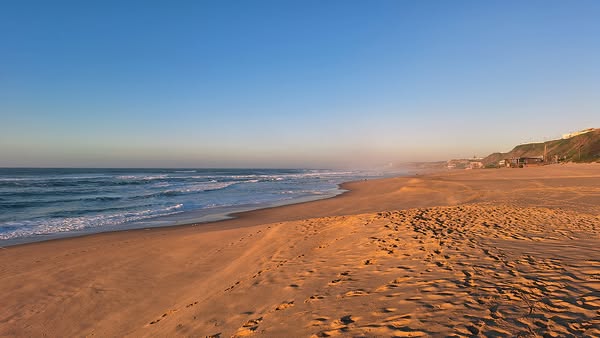
Nestled just an hour away from Lisbon, Praia de Santa Cruz is a captivating yet often overlooked slice of coastal paradise. Unlike the well-trodden beaches of Cascais or the Algarve, this hidden gem offers a more intimate connection with the Atlantic Ocean and the unspoiled beauty of Portugal’s coast.

A Beach for All Seasons

Santa Cruz transforms with the seasons. In summer, the area comes alive with vibrant energy, hosting lively festivals, buzzing nightlife, and sun-seekers enjoying the golden sands. Winter, however, unveils its quieter side, perfect for those seeking solitude. The winter sun casts a golden hue over the dramatic cliffs, and the crisp Atlantic breeze refreshes both body and mind.

Why Santa Cruz is Special

Santa Cruz has a way of leaving a mark on visitors. Its timeless charm and natural beauty resonate deeply, making every visit feel like a homecoming. Whether you’re reminiscing about youthful adventures or creating new memories, this beach is a perfect retreat to recharge and rediscover your inner calm.

What Makes It Unique?

Santa Cruz remains untouched by mass tourism. Its hidden-gem status ensures a serene environment where you can truly unplug. Explore dramatic rock formations, take a leisurely walk along the cliffs, or simply bask in the peaceful rhythm of the waves.

Getting There

Praia de Santa Cruz is conveniently located just an hour’s drive from Lisbon, making it an ideal day trip or weekend getaway. It’s a chance to experience an authentic and less commercialized side of Portugal.


Santa Cruz is more than a beach; it’s a feeling—a reminder to slow down, breathe deeply, and enjoy the beauty around us. Have you discovered your special place like this? Share your favorite hidden gem or your experiences at Santa Cruz in the comments below!

#Useful_Tips #Portugal_Unplugged


If you want this as a day out
I run private and small-group days in 100% electric vehicles. Related option:

Custom private day – west/centre coast – ask to build – check dates on the site.

Ericeira: A Surf Haven with Rich History, Delicious Seafood, and Stunning Sunsets

  • Fresh Seafood: Enjoy the local specialties like grilled fish, seafood rice, and the famous açorda de lagosta, a lobster-based bread stew that’s as hearty as it is delicious.
  • Grelhados (Grilled Fish): Simple yet mouthwatering, grilled fish seasoned with olive oil, lemon, and salt is a staple here.
  • Caneja de Infundice: A unique and traditional dish made from “caneja”, a kind of fish, with no direct translation of…

    Ericeira is not just another coastal village in Portugal—it’s a unique destination where the surf culture, local history, and traditional charm blend seamlessly. Located just 50 kilometers northwest of Lisbon, Ericeira is often referred to as the “European Surf Mecca” and proudly holds the title of the only designated World Surfing Reserve in Europe. Whether you’re drawn by the waves, the history, or the picturesque beauty, Ericeira has something for everyone.

    A Bit of History: Where the Past Meets the Waves

    Ericeira’s charm is deeply rooted in its history. This seaside village, with possible ties to ancient Phoenician trade routes, has been a fishing hub for centuries. In the 19th century, it was a bustling port town, and in 1910, it became the backdrop for a dramatic royal escape—the last Portuguese king fled to exile from its shores, adding a layer of intrigue to this peaceful fishing village.

    Today, the village’s narrow, cobbled streets and traditional white-and-blue houses offer a glimpse into the past, inviting visitors to explore a town that has seen the ebb and flow of history.

    The unique “Jagoz” culture.

    Historically, the term has been used to differentiate the fishing community of Ericeira from the surrounding saloio inhabitants, who are not from the village itself but from the broader region of Mafra. The word “jagoz” likely originates from the local dialect influenced by the village’s history and culture, with various theories suggesting connections to Arabic or old Portuguese terms, though its exact etymology remains a subject of debate. Over time, “jagoz” has evolved from a mere description of birthplace to a symbol of pride and identity, representing not just the geographical connection but also the cultural and historical essence of Ericeira’s fishing community. In 2023 a statue of “Jagoz” was placed in front of the main beach area, Praia dos Pescadores.

    Surf’s Up: Ericeira’s World-Class Waves

    Ericeira has earned its reputation as a global surfing destination, attracting wave riders from around the world. With consistent swells, varied surf breaks, and ideal wave conditions, it’s a paradise for surfers of all levels:

    • Ribeira d’Ilhas: This iconic beach is the heart of Ericeira’s surf scene, hosting international competitions and offering some of the best waves in Europe.
    • Praia dos Coxos: Known for its powerful and challenging waves, this spot is favored by experienced surfers looking for a thrill.
    • Foz do Lizandro: A beginner-friendly beach with mellow waves, perfect for families and those new to surfing.
    • Praia do Matadouro: A lively beach with waves suitable for all levels, making it a popular spot for both locals and visitors.
    • Praia de São Lourenço: With its strong waves and stunning views, this beach is a favorite among advanced surfers.
    • Praia da Empa: A quieter, less crowded beach ideal for intermediate surfers, surrounded by beautiful cliffs.
    • Praia da Calada: A hidden gem, this secluded beach offers picturesque landscapes and uncrowded waves for those seeking solitude.

    Whether you’re a seasoned pro or a first-timer looking to catch your first wave, Ericeira’s diverse surf spots ensure there’s something for everyone.

    Beyond the Surf: Exploring Ericeira’s Must-See Spots

    Ericeira is not just about catching waves; it’s a place full of attractions and experiences that go beyond the beach:

    • Praia dos Pescadores (Fisherman’s Beach): A historic and family-friendly beach, known for its golden sands and clear waters. It’s where the last Portuguese king fled in 1910, and today, it’s the perfect spot for a leisurely beach day or a seafood meal at one of the seaside restaurants.
    • São Pedro da Ericeira Church: A simple yet beautiful church dating back to the 15th century, offering a glimpse into the town’s spiritual history.
    • São Sebastião Chapel: Built between the 15th and 16th centuries, this modest chapel features a stunningly tiled interior, showcasing Portugal’s traditional craftsmanship.

    What to Do in Ericeira: Activities and Adventures

    • Hit the Waves: You can’t visit Ericeira without giving surfing a try. Plenty of local surf schools offer lessons for beginners, while experienced surfers can head straight to the best spots.
    • Catch a Sunset: Ericeira’s sunsets are legendary. Find a spot on the cliffs or a quiet beach and watch as the sun dips into the Atlantic, casting a warm glow over the village.
    • Stroll Through the Old Town: Wander the village’s narrow streets, discovering charming cafes, local crafts, and squares like Largo dos Navegantes. It’s a perfect way to soak in the town’s relaxed vibe.
    • Visit the Mafra National Palace: Just a short drive from Ericeira, this Baroque palace is a must-see, with its grand architecture and impressive library.
    • Explore José Franco Typical Village: Step back in time at this open-air museum, showcasing traditional rural life with lifelike scenes of farming and fishing.

    Ericeira’s Culinary Delights: A Taste of the Sea

    Ericeira’s culinary scene is a seafood lover’s dream, with local restaurants serving up fresh catches straight from the Atlantic:

    • Fresh Seafood: Enjoy the local specialties like grilled fish, seafood rice, and the famous açorda de lagosta, a lobster-based bread stew that’s as hearty as it is delicious.
    • Grelhados (Grilled Fish): Simple yet mouthwatering, grilled fish seasoned with olive oil, lemon, and salt is a staple here.
    • Caneja de Infundice: A unique and traditional dish made from “caneja”, a kind of fish, with no direct translation of…

Guardians of the Grain: The Timeless Beauty of Espigueiros in Northern Portugal

Imagine wandering through the rolling hills and verdant valleys of Northern Portugal, where the landscape is dotted with remarkable stone structures that seem like relics from another time. These are the Espigueiros, the guardians of Portugal’s agricultural past, standing as enduring symbols of rural heritage and ingenuity.

What Are Espigueiros?

Espigueiros are traditional granaries, designed to store and protect grain like corn or wheat. Built predominantly from granite or wood, they rest on raised pillars topped with stone slabs, preventing moisture and pests from compromising the harvest. Their design is both functional and beautiful, reflecting the resourcefulness of communities that depended on agriculture for survival.

Many of these structures feature cross-shaped tops, blending practicality with spiritual protection—symbolizing the safeguarding of the community’s precious food supply.

Iconic Espigueiros to Explore

  • Espigueiros do Soajo
    Located in the Peneda-Gerês National Park, this cluster of 24 granaries dates back to the 18th and 19th centuries. Nestled in a village surrounded by stunning natural beauty, these Espigueiros create an atmosphere that feels like stepping into a storybook.
  • Espigueiros do Lindoso
    Lindoso is home to one of the largest and most iconic collections of Espigueiros in Portugal, boasting around 50 granaries. Some date as far back as the 17th century, showcasing centuries of agricultural tradition and craftsmanship. The granaries, set against a backdrop of the Lima River and Lindoso Castle, offer a unique blend of history and natural splendor.

A Window Into Rural Life

The Espigueiros are not just architectural landmarks—they tell a story of survival, cooperation, and respect for nature. These granaries were often shared by entire villages, emphasizing the communal spirit that defined rural life in the region.

Beyond their historical and functional importance, the Espigueiros provide a tangible link to the past, allowing visitors to connect with the traditions of rural Portugal.

Tips for Exploring the Espigueiros

  • Visit Peneda-Gerês National Park for a dual experience of natural beauty and cultural heritage.
  • Don’t miss the nearby villages, where local traditions like basket weaving and artisanal crafts complement the Espigueiros.
  • Capture the stunning contrast of these ancient structures against the vibrant green of Northern Portugal’s landscapes.

Have You Discovered the Espigueiros?

If you’ve visited the Espigueiros or plan to explore these iconic landmarks, we’d love to hear your stories. Did you capture photos of these stone treasures or stumble upon a hidden gem? Share your experiences in the comments below!

Exploring the Espigueiros isn’t just about admiring their architecture—it’s about stepping into a world where tradition and nature coexist harmoniously. Whether you’re a history enthusiast or simply a lover of unique experiences, the Espigueiros of Northern Portugal are sure to leave a lasting impression.

#Useful_Tips #Portugal_Unplugged

Also useful
Faces of the village
Weekly market & traditions day (Thursdays)


If you want this as a day out
I run private and small-group days in 100% electric vehicles. Related option:

Weekly market & traditions day – check dates on the site.

Secret Palace in the Heart of Sintra

Nestled in the heart of Sintra, surrounded by the lush embrace of verdant forests and misty mountainous landscapes, lies a captivating secret—one that whispers of 19th-century grandeur, fascinating history, and hidden treasures. The Biester Palace, which opened its doors to the public in 2022 after extensive restoration, stands as a mysterious testament to a bygone era, offering an experience like no other.
Built in 1880, this neo-gothic mansion was originally the home of Ernesto Biester, a wealthy merchant and playwright. His vision was to create a private residence that echoed the opulence of the time, and he succeeded—creating a space that, today, continues to allure visitors with its enigmatic beauty. Tucked away in Sintra’s enchanting woodland setting, the Biester Palace remains largely unknown to many. Its distinct conical roofs and intricate windows may seem familiar to fans of The Ninth Gate, a film directed by Roman Polanski, where the palace made a striking appearance.

Upon entering the palace, visitors are transported back to the 19th century. The rooms are untouched by time, with original frescoes, exquisite stuccoes in the Music Room, and intricate painted ceilings, some created by the French artist Paul Baudry. Adding to the theatrical décor are unique pieces by Bordalo Pinheiro, the eccentric Portuguese ceramist known for his striking and unconventional artistry. The palace itself is a fine example of romantic architecture, with a subtle air of mystery permeating every corner.
But the palace is not just about the building—it’s the experience that surrounds it. The Biester Palace sits within a sprawling landscape of extraordinary natural beauty, six acres of exotic and rare flora that transport you to distant lands. These gardens, filled with plants from as far away as China and Japan, invite exploration. A hidden cave with ceramic tiles by Bordalo Pinheiro awaits the curious, while a viewpoint provides a stunning panorama of Sintra’s breathtaking terrain, offering a glimpse into the picturesque beauty of this extraordinary town.
Inside, the palace unfolds across two floors. Visitors can wander through the dining room, billiard room, and library, each one with its own unique charm and sweeping views of the surrounding landscape. One of the most fascinating aspects of the palace is its blend of neo-gothic and art nouveau styles, perfectly captured in its private chapel. Upstairs, the more intimate areas of the palace await, including bedrooms and dressing rooms, all of which retain their original 19th-century designs.
One unexpected feature that adds to the palace’s allure is the elevator, an unusual addition for a private home of its time. Crafted from wood and designed by the same man behind Lisbon’s famous Santa Justa Elevator, Raúl Mesnier de Ponsard, this elevator is a rare piece of engineering in the midst of this historic masterpiece.


For those who crave more than just the traditional sightseeing experience, the Biester Palace offers a chance to step into a world of mystery, history, and architectural wonder—where every corner tells a story waiting to be uncovered.
Whether you’re drawn to the palace’s rich history, its exquisite art, or the surrounding landscape’s serene beauty, Biester Palace promises an experience that lingers long after you’ve left. Come and discover Sintra’s best-kept secret—before it’s no longer a secret at all.

#Useful_Tips #Portugal_Unplugged

Also useful
Royal palaces around Lisbon
Sintra / Cascais – private tour
Sintra Top 3 with tickets

Also useful
Sintra without the rush: a calmer day from Lisbon


If you want this as a day out
I run private and small-group days in 100% electric vehicles. Related option:

Sintra / Cascais – private tour – check dates on the site.
Tapada de Mafra: A Historical and Natural Retreat

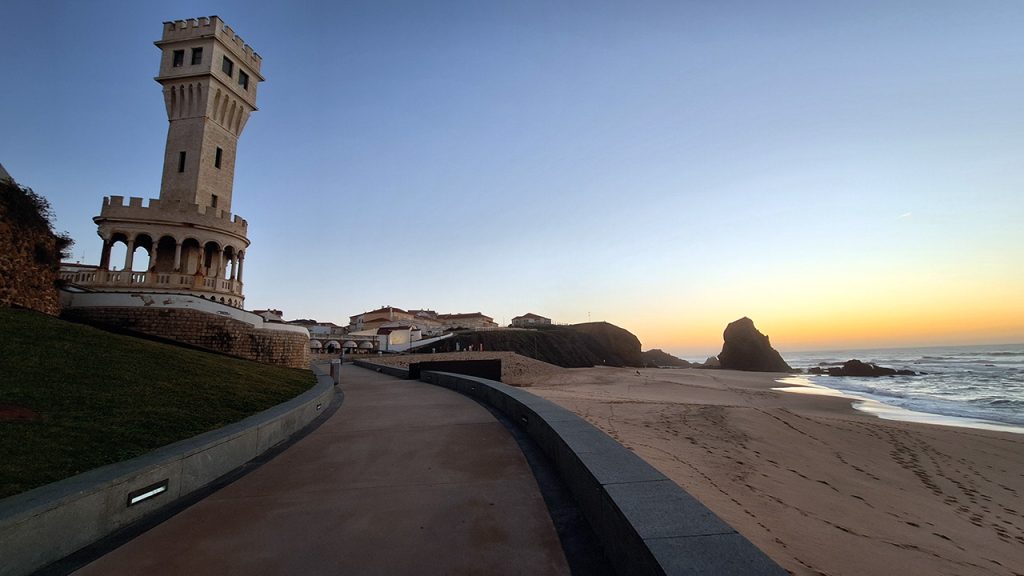
Nestled in the heart of Portugal, Tapada Nacional de Mafra is a haven for nature lovers and history enthusiasts alike. Established in 1747 by King João V, this expansive park was originally designed as a royal hunting ground, complementing the grandiose Mafra National Palace. Today, it stands as a preserved gem of Portugal’s cultural and environmental heritage, offering a glimpse into centuries of tradition while embracing modern conservation efforts.


A Diverse Ecosystem: Flora and Fauna

Spanning over 800 hectares, Tapada de Mafra boasts a vibrant ecosystem. Its forests and meadows are home to majestic red deer, fallow deer, and wild boars, alongside a variety of smaller creatures like foxes, squirrels, and numerous bird species, including owls and eagles. The plant life is equally diverse, featuring oak, cork, and pine trees that provide a lush backdrop and support the park’s biodiversity.

For those interested in learning more about its ecosystem, the park offers interpretative trails where you can discover the importance of preserving this delicate balance of flora and fauna.


Ways to Experience Tapada de Mafra

Whether you seek adventure or a serene escape, Tapada de Mafra offers something for everyone:

  • Self-Guided Walks: There are marked trails, range in length and difficulty, allowing you to tailor your exploration to your preference.
  • Eco-Friendly Tours: Electric vehicle tours provide a guided journey through the park, where you can learn about its history and wildlife from knowledgeable guides.
  • Cycling Adventures: Bring your bike and tackle routes spanning 8 to 14 kilometers, catering to both families and thrill-seekers.
  • Horseback Riding: Experience the park on horseback, immersing yourself in nature as you ride along scenic paths.
  • Educational Programs: Special events like birdwatching sessions and forest marathons highlight the park’s natural treasures in engaging ways.

Each experience offers unique perspectives on the park’s natural beauty and historical significance, ensuring that every visit is unforgettable.


Plan Your Visit

Tapada de Mafra is open year-round and features a range of activities suitable for all ages and fitness levels. Whether you’re exploring solo, as a family, or with a group, there’s an experience waiting for you.

For more information on schedules, prices, and bookings, visit:

Embark on your journey to Tapada de Mafra and discover a harmonious blend of history, nature, and adventure!

#Useful_Tips #Portugal_Unplugged


If you want this as a day out
I run private and small-group days in 100% electric vehicles. Related option:

Mafra & Ericeira – private tour – check dates on the site.