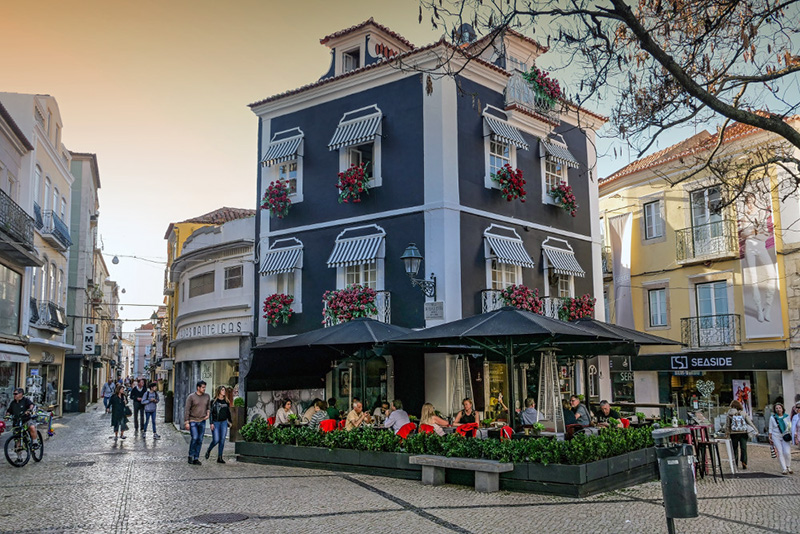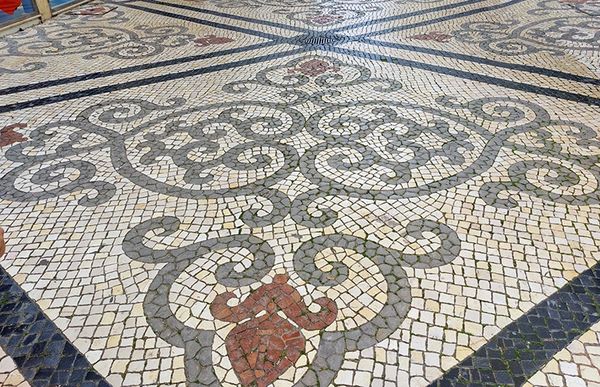
Calçada Portuguesa, a traditional Portuguese pavement style made of small, flat stones arranged into intricate patterns, is an iconic feature of Portugal’s public spaces. Often seen as both a visual delight and a challenge for pedestrians, these beautifully crafted mosaics can be found in many cities across Portugal, adding charm to streets, squares, and walkways.
A Rich History
The origins of Calçada Portuguesa trace back to ancient Roman mosaic techniques, but the art form evolved over centuries, heavily influenced by various artistic styles and cultural traditions. By the 19th century, Calçada Portuguesa became especially popular, gracing the streets of Lisbon and other cities in Portugal. The pavements are typically created with limestone, basalt, and other local stones, giving them a striking contrast of light and dark tones.
The Craft of the Calceteiros
Creating Calçada Portuguesa requires a significant amount of skill, and the artisans who specialize in this craft are known as Calceteiros. These craftsmen lay each stone individually, by hand, with precision and care to ensure that the patterns are geometric and visually stunning. The designs are often inspired by nature, architecture, or historical elements, and can be found in diverse locations, from urban plazas to quiet streets.
The work of the Calceteiros is more than just a craft—it’s an art form. These artisans collaborate with architects and urban planners to bring these vibrant mosaics to life, contributing to the aesthetic appeal of public spaces across the country.
Practical Tips for Navigating Calçada Portuguesa
While these mosaics are undeniably beautiful, they can also pose a challenge for pedestrians. Calçada Portuguesa is often uneven, and the stones can be slippery when wet. If you’re planning to explore the streets lined with these mosaics, here are a few tips to ensure a safe and enjoyable experience:
- Wear comfortable shoes: Ideally, opt for flat shoes with good grip to avoid slipping.
- Take your time: There’s no need to rush. Slow down and appreciate the intricate designs beneath your feet.
- Be cautious on wet surfaces: When it rains, the stones can become slippery. Watch your step, and hold onto nearby railings or walls if necessary.
A Global Influence
Though deeply rooted in Portugal’s culture, the influence of Calçada Portuguesa has spread internationally. In recent years, cities worldwide have embraced the traditional mosaic style, offering their own interpretations and adaptations. For example, you can now find QR codes embedded in the designs, or streets featuring local pottery, ceramic collections, and even artistic collaborations with brands like Vista Alegre.
A Photographic Delight
The beauty of Calçada Portuguesa is undeniable, and it’s the perfect subject for photography. From the vibrant colors to the geometric precision, each pavement tells its own story. Don’t forget to bring your camera along to capture these unique masterpieces, and share your #CalçadaPortuguesa moments with us. Let’s celebrate the artistic treasures of Portugal together!
Whether you’re walking through Lisbon, Porto, or any other Portuguese city, make sure to take the time to admire the craftsmanship of the Calçada Portuguesa—a beautiful and historic tradition that brings life to Portugal’s streets.
For more information on the history and artistry of Calçada Portuguesa, check out the official resources and local guides.
#Useful_Tips #Portugal_Unplugged