Portugal’s cultural heritage is deeply rooted in its folklore, which reflects the unique traditions of each region. Exploring Portuguese folklore offers an authentic way to connect with the country’s diverse cultural tapestry.
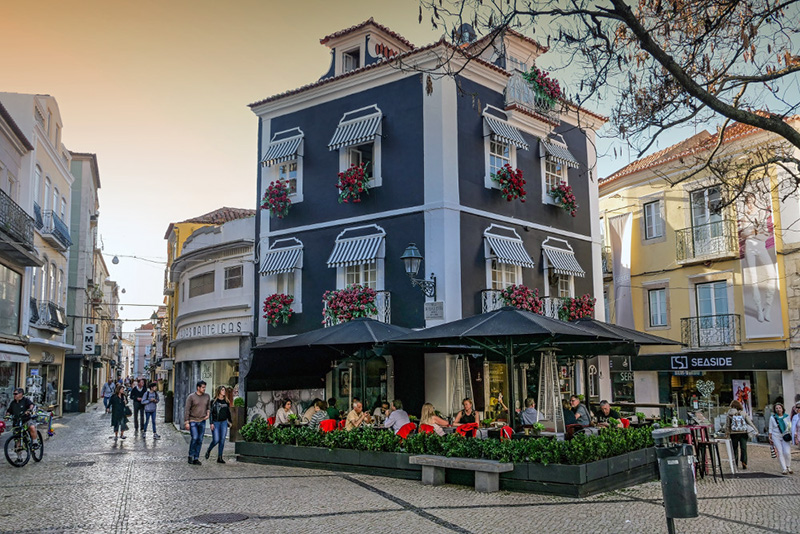
If you’re keen on experiencing this lively tradition, head to smaller towns and villages. Look for colorful posters on shop windows, cafés, and community centers advertising local festivities. These events are typically organized by Ranchos Folclóricos—dedicated groups that celebrate traditional Portuguese music, dance, and customs. Most performances and events take place during the summer months, and with a little effort, you’re bound to find one during your visit.
What Are Ranchos Folclóricos?
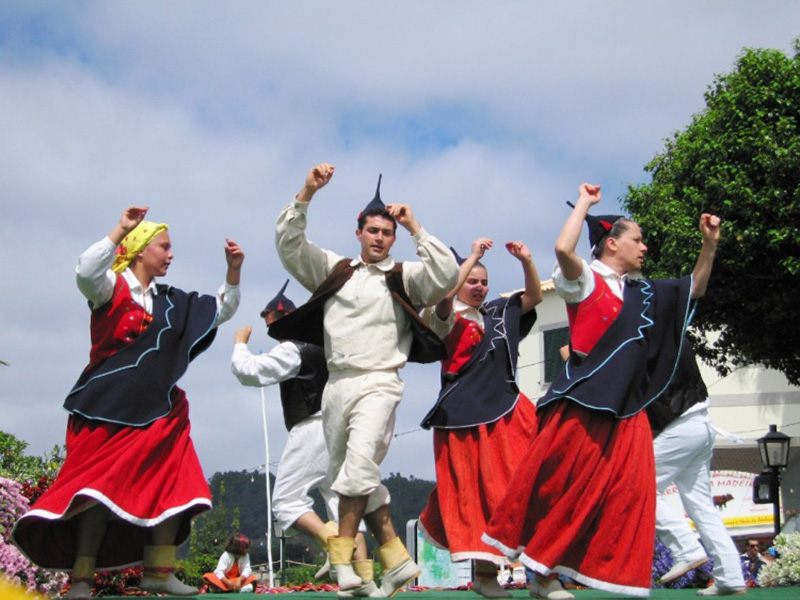
Ranchos Folclóricos are ensembles that perform traditional music and dances tied to Portugal’s cultural identity. The performances vary by region, with unique styles, stories, and costumes reflective of local customs. Traditional instruments such as the accordion, guitar, and tambourine accompany the dances, creating an atmosphere that transports spectators to a bygone era.
Regional Highlights of Portuguese Folklore
Algarve
The Corridinho is a signature dance of the Algarve. Known for its lively and joyful energy, this dance is performed in pairs, with intricate footwork set to music played on guitars, mandolins, and accordions. Though rooted in the Algarve, the Corridinho is also popular in Estremadura.
Madeira
Madeira’s folklore is marked by the Bailinho da Madeira, a traditional dance accompanied by the brinquinho, a regional instrument made from castanets, ribbons, and stick dolls dressed in local costumes. When shaken, the brinquinho produces a distinctive rhythmic sound, adding vibrancy to the performances.
Minho
The Minho region, especially Alto Minho, is rich in dances like Vira, Cana Verde, and Malhão. A striking feature of Minho folklore is the women’s colorful costumes adorned with elaborate accessories, which add elegance and beauty to the lively dances.
Ribatejo
Ribatejo’s standout dance is the Fandango, a playful and energetic courtship dance. The choreography often features men spinning around women or competing with one another in rhythmic foot-tapping. The Fandango exudes passion and enthusiasm, making it a crowd favorite.
Trás-os-Montes
The Pauliteiros de Miranda from Trás-os-Montes present a unique and striking dance-fight performance. Groups of men, dressed in traditional attire, wield sticks and engage in a rhythmic and symbolic combat. Women do not participate in these dances but are represented by the Capa de Honra, a traditional cloak symbolizing honor.
A Timeless Tradition
Portugal’s folklore offers a vibrant window into its history, culture, and regional identities. For travelers, attending a folklore event is an enriching way to connect with Portugal’s traditions. So, when visiting smaller towns, keep an eye on local posters—you might just stumble upon an unforgettable cultural experience!
#Useful_Tips #Portugal_Unplugged