Portugal_Unplugged

Festas do Povo: A Celebration of Tradition and Community in Campo Maior

The Festas do Povo of Campo Maior, a small town in Portugal’s Alentejo region, is a stunning celebration of color, community, and culture. On December 15, 2021, this beloved tradition was recognized as Intangible Cultural Heritage of Humanity by UNESCO, a testament to the significance of this festival not just in Portugal but globally.

These festivities are unique in that they do not follow a strict schedule—they occur when the people of Campo Maior decide it’s time for the celebration. The most recent Festas do Povo took place in 2015, marking a long-awaited return to the vibrant event that brings this small town to life.

A Blossoming Tradition

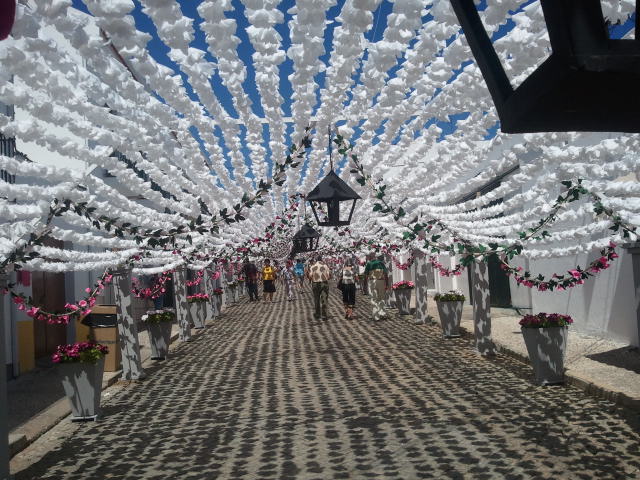
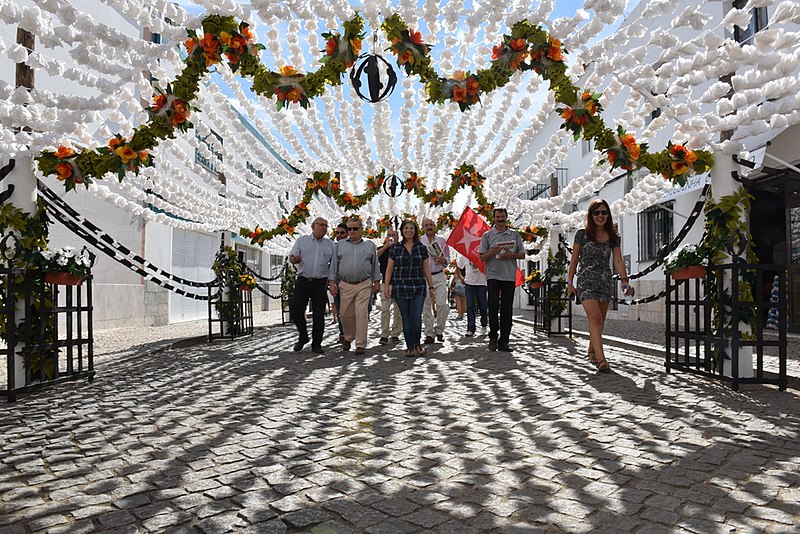
The heart of the Festas do Povo is the decoration of the streets with thousands of handmade paper flowers. The residents of each street, particularly in the Historic Center of Campo Maior, create stunning displays of flowers, arches, and other decorations out of paper and cardboard, transforming the town into a breathtaking garden. These decorations are not the work of a few days; they represent months of dedication, hard work, and community effort. It’s a tradition of collective artistry, a display of the town’s spirit, and a moment where the entire community unites to create something extraordinary.

A Labor of Love

The preparations for Festas do Povo begin as early as January. A “street leader” is chosen to coordinate each neighborhood’s efforts, setting the stage for a year of planning and creation. The colors are chosen, designs are sketched, and the meticulous process of crafting the flowers begins. Neighbors gather in each other’s homes, cutting, folding, and gluing paper late into the night. In these gatherings, flowers bloom from paper, trees take shape, and vibrant decorations are created—each one a unique piece, no two exactly the same. The atmosphere is one of camaraderie, filled with lively conversations and shared moments, where even children join in the magic.

A Feast for the Senses

When the day of the festival arrives, usually in September, Campo Maior transforms. The town’s streets are filled with thousands upon thousands of flowers—roses, tulips, wisterias, and poppies—every blossom crafted by hand. It’s a sight that words can hardly capture, a feast for the senses that must be experienced in person. The decorations are accompanied by the sound of traditional “saias,” folk songs that echo through the streets, played with tambourines and castanets, creating a joyful rhythm that energizes the crowd. These lively songs are sung and danced to by the locals, adding to the atmosphere of celebration and community pride.

Warmth and Hospitality

Beyond the beautiful decorations, Festas do Povo is a celebration of hospitality and warmth. Visitors are welcomed with open arms—refreshing glasses of cool Alentejo water are offered, and benches are set up outside homes for weary travelers to rest. In this festival, strangers become friends, and the warmth of the local people is as much a part of the experience as the colorful paper flowers. A symbolic gesture of friendship often involves women pinning a handmade flower on visitors’ lapels, a small token of the community’s affection.
A Festival of the People, by the People

The name “Festas do Povo” (Festivities of the People) reflects the very essence of this celebration—it is a festival driven by the people of Campo Maior. Each resident contributes, sacrificing their time and energy to bring the town to life. The preparation process is as significant as the event itself, with each flower and decoration representing countless hours of effort. It’s a labor of love that showcases the town’s creativity, unity, and dedication.

A Garden of Magic

The transformation of Campo Maior during Festas do Povo is nothing short of magical. Overnight, the town becomes a garden of color, with streets covered in vibrant paper flowers that captivate the eye. It’s a time of joy, wonder, and enchantment, where tradition and creativity come together in an unforgettable display.

A Rare and Timeless Experience

The Festas do Povo is a celebration that cannot be easily described or fully appreciated without experiencing it firsthand. It is a fleeting event, appearing almost like a mirage in the heat of Alentejo, only to disappear until the people of Campo Maior decide to bring it back again. This sense of impermanence adds to the magic of the festival, making each occurrence a unique and rare spectacle.

For those lucky enough to visit during the Festas do Povo, it’s an opportunity to witness a living tradition that has been passed down through generations. It’s a celebration that connects the past and present, weaving together history, culture, and community spirit in a way that is profoundly Portuguese.

A Festival with a Heart and Soul

Ultimately, the Festas do Povo is about more than just beautiful decorations—it’s about the heart and soul of the people who create it. It’s a festival that celebrates creativity, perseverance, and the joy of coming together to make something extraordinary. It’s a testament to the spirit of Campo Maior, a small town that has gained international recognition for its dedication to preserving a unique and vibrant tradition.

If you ever find yourself in Portugal when Campo Maior’s streets bloom with paper flowers, make sure to visit—it’s an experience that will leave you enchanted and inspired, a reminder of the beauty that can come from community and shared passion.

#Lisbon #Useful_Tips #Portugal_Unplugged

Also useful
Rainy day in Lisbon
Private / custom days


If you want this as a day out
I run private and small-group days in 100% electric vehicles. Related option:

Private day from Lisbon – custom or browse tours – check dates on the site.
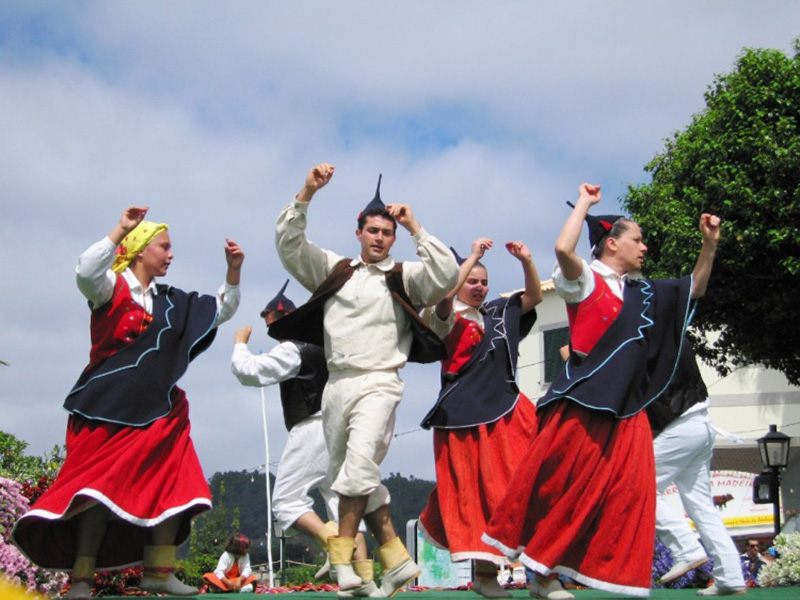
Portuguese Traditions: Folklore

Portugal’s cultural heritage is deeply rooted in its folklore, which reflects the unique traditions of each region. Exploring Portuguese folklore offers an authentic way to connect with the country’s diverse cultural tapestry.

If you’re keen on experiencing this lively tradition, head to smaller towns and villages. Look for colorful posters on shop windows, cafés, and community centers advertising local festivities. These events are typically organized by Ranchos Folclóricos—dedicated groups that celebrate traditional Portuguese music, dance, and customs. Most performances and events take place during the summer months, and with a little effort, you’re bound to find one during your visit.

What Are Ranchos Folclóricos?

Ranchos Folclóricos are ensembles that perform traditional music and dances tied to Portugal’s cultural identity. The performances vary by region, with unique styles, stories, and costumes reflective of local customs. Traditional instruments such as the accordion, guitar, and tambourine accompany the dances, creating an atmosphere that transports spectators to a bygone era.

Regional Highlights of Portuguese Folklore

Algarve

The Corridinho is a signature dance of the Algarve. Known for its lively and joyful energy, this dance is performed in pairs, with intricate footwork set to music played on guitars, mandolins, and accordions. Though rooted in the Algarve, the Corridinho is also popular in Estremadura.

Madeira

Madeira’s folklore is marked by the Bailinho da Madeira, a traditional dance accompanied by the brinquinho, a regional instrument made from castanets, ribbons, and stick dolls dressed in local costumes. When shaken, the brinquinho produces a distinctive rhythmic sound, adding vibrancy to the performances.

Minho

The Minho region, especially Alto Minho, is rich in dances like Vira, Cana Verde, and Malhão. A striking feature of Minho folklore is the women’s colorful costumes adorned with elaborate accessories, which add elegance and beauty to the lively dances.

Ribatejo

Ribatejo’s standout dance is the Fandango, a playful and energetic courtship dance. The choreography often features men spinning around women or competing with one another in rhythmic foot-tapping. The Fandango exudes passion and enthusiasm, making it a crowd favorite.

Trás-os-Montes

The Pauliteiros de Miranda from Trás-os-Montes present a unique and striking dance-fight performance. Groups of men, dressed in traditional attire, wield sticks and engage in a rhythmic and symbolic combat. Women do not participate in these dances but are represented by the Capa de Honra, a traditional cloak symbolizing honor.


A Timeless Tradition
Portugal’s folklore offers a vibrant window into its history, culture, and regional identities. For travelers, attending a folklore event is an enriching way to connect with Portugal’s traditions. So, when visiting smaller towns, keep an eye on local posters—you might just stumble upon an unforgettable cultural experience!

#Useful_Tips #Portugal_Unplugged


If you want this as a day out
I run private and small-group days in 100% electric vehicles. Related option:

Weekly market & traditions day – check dates on the site.

Lisbon’s Hidden Gem: The Historical Portas de Benfica

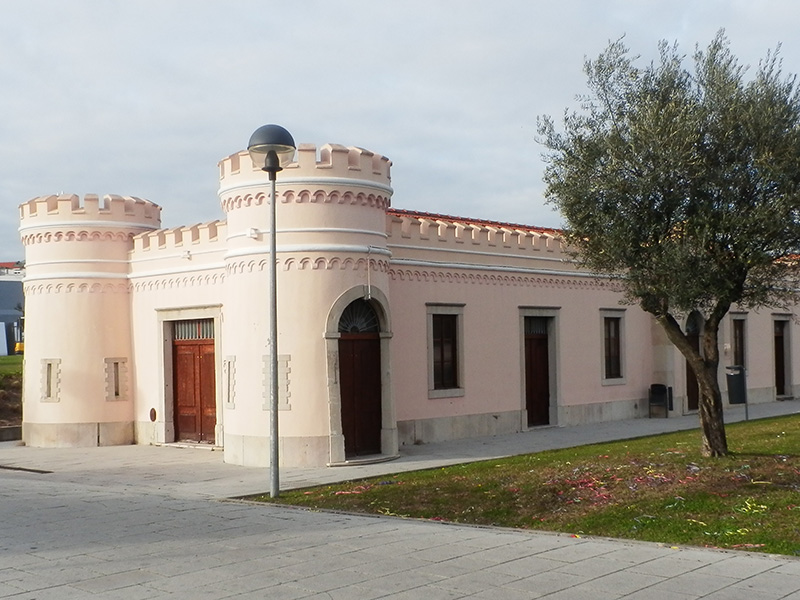
Nestled in the Benfica neighborhood, Portas de Benfica is more than just an architectural relic—it’s a gateway into Lisbon’s rich history. With its neo-Gothic charm and storied past, this unique landmark stands as a testament to a bygone era of urban customs, taxation, and trade.


A Neo-Gothic Gateway Inspired by Medieval Castles

Constructed in 1886 by an unknown architect, the Portas de Benfica showcase a neo-Gothic style complete with battlements reminiscent of medieval fortresses. Strategically located at the edge of the Lisbon municipality, the gate served as a striking symbol of entry into the capital. Its aesthetic grandeur helped establish it as an iconic landmark, marking the city’s boundary with distinction.


A Gateway of Taxation and Trade

The Portas de Benfica weren’t just ornamental; they played a crucial role in Lisbon’s fiscal operations during the late 19th and early 20th centuries. At this gateway, the Fiscal Guard monitored goods entering the city and collected taxes, known as “Real da Água” (or “Water Tax”), on various consumables, including alcoholic beverages.

This extraordinary tax, originally intended to fund the construction of aqueducts and fountains, ended up becoming a permanent levy, financing projects like the Águas Livres Aqueduct. The tax was particularly burdensome for alcohol, which led to frequent episodes of smuggling at Lisbon’s gates.

By the early 20th century, Lisbon had 26 such gates, all serving as checkpoints for people and goods. However, in 1922, the fiscal circumscription was abolished, marking the end of this taxing tradition.


Portas de Benfica: A Rare Survivor

While most of Lisbon’s gates have vanished over time, Portas de Benfica remains the only fully intact structure from this historic network. Restored in 1996 after falling into disrepair, the eight-turreted gate now stands proudly as a preserved piece of Lisbon’s history.

Fragments of similar gates, like the Portas de Algés, still exist, but many, including those at Calçada de Carriche, have been demolished. This makes the Portas de Benfica an even more significant heritage site, offering a glimpse into the city’s architectural and administrative past.


Why Visit Portas de Benfica?

Today, Portas de Benfica serves as a reminder of Lisbon’s evolution—from a city fortified by fiscal checkpoints to a bustling metropolis. Its picturesque design and historical importance make it a must-visit for history buffs and architecture enthusiasts alike.

Take a moment to marvel at its neo-Gothic battlements, explore its surrounding neighborhood, and imagine the bustling trade and vigilant tax collectors of centuries past.


Preserving Lisbon’s Legacy

Portas de Benfica is more than just a monument—it’s a portal into Lisbon’s rich tapestry of history, offering stories of commerce, culture, and resilience. As you explore this remarkable landmark, you’re stepping into a narrative that bridges the medieval and the modern, showcasing the enduring spirit of Lisbon.

Next time you’re in the Benfica area, don’t just pass by—take a closer look and appreciate the historical significance of this enduring gateway.

#Useful_Tips #Portugal_Unplugged


If you want this as a day out
I run private and small-group days in 100% electric vehicles. Related option:

Private day from Lisbon – custom or browse tours – check dates on the site.
Portuguese Traditions: Horses

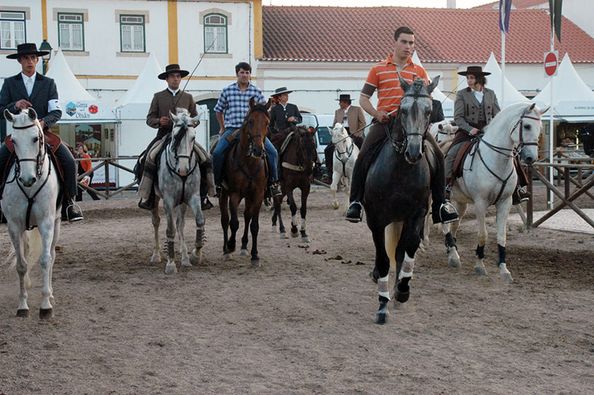
For horse lovers, Portugal offers a rich equestrian culture steeped in history and tradition. Central to this heritage is the magnificent Lusitano horse breed, renowned for its intelligence, agility, beauty, and docility. Once warhorses of the ancient Iberian Peninsula, Lusitanos are now cherished for their prowess in dressage and equestrian sports.

The Lusitano: A National Treasure

The Lusitano breed holds a special place in Portuguese culture. Known for their grace and versatility, these horses are a common sight in equestrian disciplines and cultural events. They symbolize Portugal’s deep-rooted connection to equestrianism, celebrated not only through breeding but also through events that showcase their elegance and skill.


Coudelaria Real de Alter

One of the most prestigious Lusitano horse breeding farms is the Coudelaria Real de Alter, located in Alter do Chão. Founded in 1748 by King João V, it is among the oldest active horse breeding establishments in the world.

What to Expect When Visiting:

  • Guided tours of the farm, where you can learn about the Lusitano breeding process.
  • Opportunities to observe the horses and riders in training.
  • A glimpse into the farm’s long-standing traditions and practices.
  • Annual highlights like the Feira de São Marcos, a horse fair showcasing the Lusitano breed’s versatility in various disciplines.

Other Native Horse Breeds

In addition to the Lusitano, Portugal is home to the Sorraia, another native horse breed. Known for their agility, endurance, and surefootedness, Sorraias excel at herding livestock and navigating rugged terrains.


Feira Nacional do Cavalo (National Horse Fair)

The Feira Nacional do Cavalo, held annually in November in Golegã, is Portugal’s largest equestrian event and a celebration of the Lusitano breed.

Event Highlights:

  • Displays of Lusitano horses from top breeders across the country.
  • Thrilling equestrian shows and competitions.
  • Conferences and workshops focused on horse care, training, and breeding.
  • Cultural and social events where attendees can enjoy traditional Portuguese hospitality.

Golegã transforms into a hub of equestrian excellence during the fair, drawing horse enthusiasts, breeders, and riders from around the world.


Experience Portugal’s Equestrian Heritage

Whether you tour historic breeding farms, marvel at the grace of Lusitanos at a horse fair, or learn about native breeds like the Sorraia, Portugal’s equestrian traditions offer something truly special. Next time you visit, immerse yourself in this vibrant aspect of Portuguese culture—you’ll be captivated by its beauty and history.

#Useful_Tips #Portugal_Unplugged


If you want this as a day out
I run private and small-group days in 100% electric vehicles. Related option:

Weekly market & traditions day – check dates on the site.

Exploring the Hidden Gems of Setúbal

When planning a trip to Portugal, it’s easy to focus on the more popular destinations like Lisbon, Porto, or the Algarve. However, just a short drive from Lisbon lies the charming city of Setúbal, a hidden treasure that offers a blend of natural beauty, cultural richness, and mouthwatering cuisine. Whether you’re planning a day trip or a longer stay, Setúbal has something for everyone.

Nature at Its Best

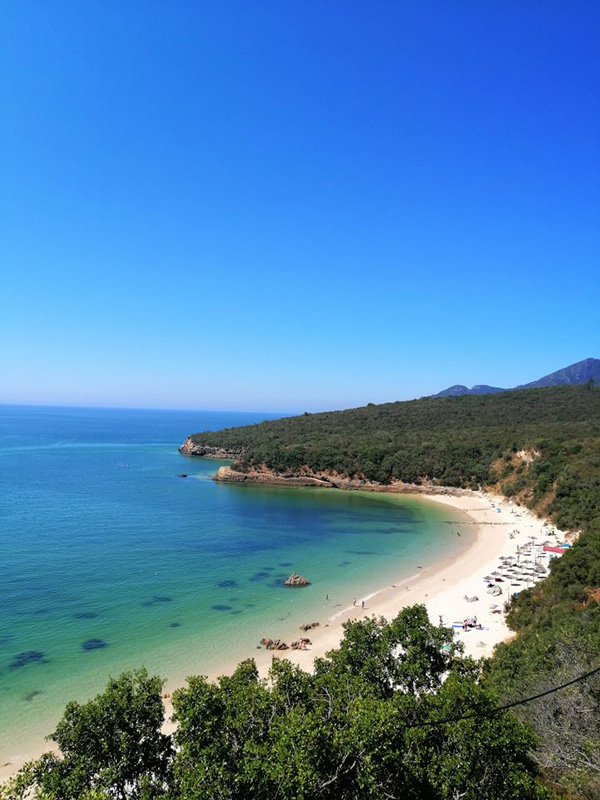
Nature enthusiasts will find Setúbal a paradise. The Arrábida Natural Park is a must-see destination with its stunning coastal views, lush green hills, and pristine beaches. For those who enjoy hiking, the park is filled with trails that allow you to explore its unique flora and fauna. If you’d rather take in the scenery at a slower pace, a scenic drive through the park is equally rewarding.

To experience Setúbal’s marine life, a boat tour of the Sado Estuary is highly recommended. This protected wetland is home to a variety of bird species and a resident population of bottlenose dolphins—an unforgettable experience for nature lovers and families alike.

If you’re in the mood for a beach day, Setúbal offers several picturesque options, including Praia de Galapinhos, Praia da Figueirinha, and Praia de Albarquel, all perfect for relaxing and soaking up the sun.

A Step Back in Time

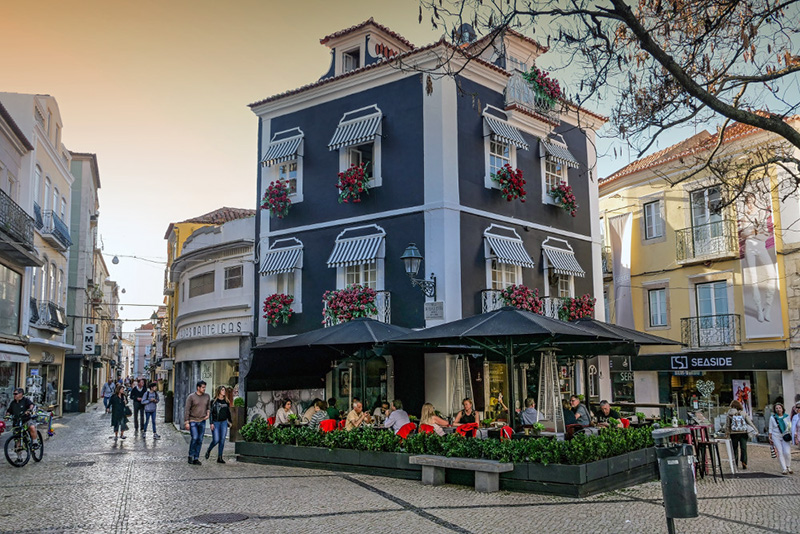
Setúbal’s historic center is rich with cultural and architectural landmarks. Wander through its cobblestone streets to discover the Igreja de Santa Maria da Graça, the São Julião Church, and the Fortress of São Filipe. These landmarks provide a glimpse into the city’s storied past and its significance in Portuguese history.

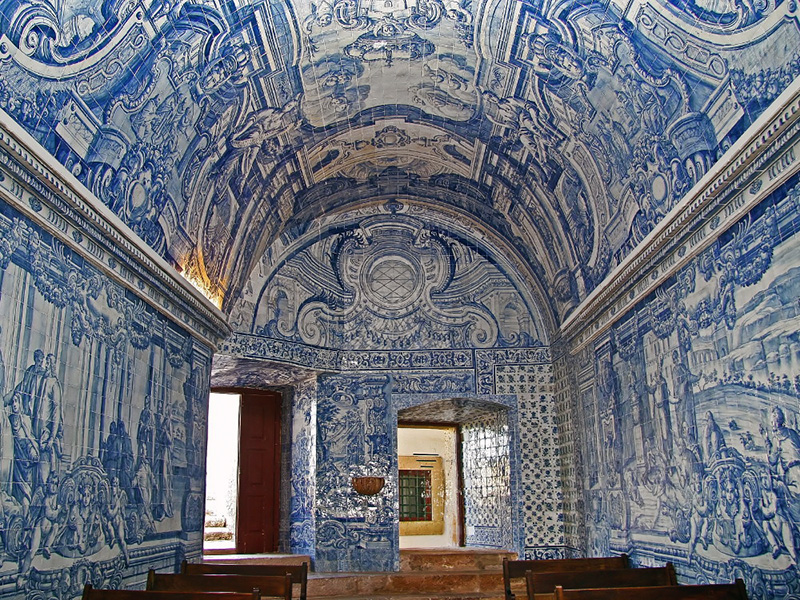
Nearby, the town of Azeitão offers a unique opportunity to explore Portugal’s famous azulejos (traditional tiles). Visit workshops where artisans craft tiles using centuries-old techniques, and even try your hand at painting your own tile in one of their workshops.

Savor the Local Flavors

No trip to Setúbal is complete without indulging in its culinary delights. The city is famous for its fried cuttlefish, a crispy, flavorful dish served in many of its renowned restaurants.

For those with a sweet tooth, the Torta de Azeitão is a local favorite. This soft, sweet roll filled with a creamy egg and cinnamon custard is the perfect treat to enjoy with a cup of coffee.

Wine lovers will also find Setúbal a delight. The region is known for its Moscatel de Setúbal, a sweet fortified wine. Several wineries, including José Maria da Fonseca, Bacalhôa Wines, and Quinta do Piloto, offer tours and tastings, providing an excellent way to end your day.

Discover the Markets

Immerse yourself in the local culture by visiting Setúbal’s vibrant markets. The Mercado do Livramento, one of the best fish markets in the world, is open daily (except Mondays) and showcases the region’s freshest seafood, as well as cheese, cured meats, and produce.

For a more eclectic experience, the Farmers’ Market of Azeitão is held on the first Sunday of every month and offers everything from fresh produce to handmade crafts.

Plan Your Visit

Setúbal is a destination that deserves a spot on your travel itinerary. Whether you’re captivated by its natural landscapes, charmed by its historical landmarks, or tempted by its culinary treasures, this city is sure to leave a lasting impression.

For more details about Setúbal’s attractions, markets, and prices for various activities, visit the following websites:

Pack your bags and get ready to discover the hidden charm of Setúbal!

#Useful_Tips #Portugal_Unplugged


If you want this as a day out
I run private and small-group days in 100% electric vehicles. Related option:

Arrábida / south of Tagus – custom private day – check dates on the site.

Unplugged Adventures: Embrace Travel Beyond the Crowds

In today’s fast-paced world, travel often becomes a race to tick off iconic landmarks and Instagram-worthy spots. But there’s a growing movement toward unplugged traveling—an intentional shift away from tourist hotspots in search of quieter, more authentic experiences. It’s not just about where you go, but how you immerse yourself in the journey.

Why Go Unplugged?

  1. Authentic Connections
    Straying from tourist hubs allows for meaningful interactions with locals. Whether it’s sharing a homemade meal, learning traditional crafts, or hearing personal stories, these moments foster genuine connections and lasting memories.
  2. Crowd-Free Serenity
    Escape the hustle of crowded attractions and enjoy the serenity of hidden trails, peaceful towns, or secluded beaches. These moments of quiet reflection can make your journey more fulfilling.
  3. Discover Hidden Gems
    When you venture off the beaten path, you’ll uncover treasures not found in guidebooks—charming cafés, vibrant local markets, or breathtaking natural wonders.
  4. Cultural Immersion
    Experience a destination as locals do. Participate in community festivals, savor traditional dishes, and observe daily rituals to gain a deeper appreciation for the culture.
  5. Support Local Communities
    Your spending in less-touristy areas has a greater impact, helping sustain small businesses and local artisans who rely on tourism for their livelihoods.

Unplugged Travel in Practice

  • Be Spontaneous: Take the road less traveled without rigid itineraries. Sometimes, the most enriching experiences come from unexpected detours.
  • Engage Locals: Chat with residents to learn about their favorite spots. Often, these recommendations lead to unique discoveries.
  • Prioritize Sustainability: Respect the environment and local customs. Travel consciously to ensure these lesser-known places remain pristine for future generations.

The Joy of the Journey

Unplugged traveling is about slowing down and savoring the journey rather than rushing to check boxes. It’s an invitation to reconnect with nature, embrace unpredictability, and immerse yourself in life’s simplest yet most profound pleasures.

Share Your Moments

Have you discovered a hidden paradise or an unforgettable local encounter? We’d love to hear your stories. Share your unplugged travel experiences in the comments and inspire others to embark on their own off-the-grid adventures!

So, let’s unplug, explore, and rediscover the world—one quiet corner at a time.

#Useful_Tips #Portugal_Unplugged


If you want this as a day out
I run private and small-group days in 100% electric vehicles. Related option:

Browse tours or build a custom day – check dates on the site.