Lisbon

Traveling to Portugal: A Guide to Power Adapters and Electrical Voltage

Planning a trip to Portugal? One of the most common concerns travelers have is whether their devices—like phones, laptops, or hair straighteners—will work with Portugal’s power outlets. No one wants to be left without their essential gadgets, so let’s make sure you’re all set to charge up and stay connected!

Understanding Portugal’s Electrical System

In Portugal, all power sockets operate at a standard voltage of 230V with a frequency of 50Hz. This is in line with most European countries, as well as regions like Australia, the UK, Africa, and Asia. If your home country uses an outlet voltage between 220V and 240V, you’re in luck—your devices should work just fine without any additional adjustments.

However, if you’re traveling from the US, Canada, or South America, where the typical voltage is 100V-120V, you’ll need to pay attention to the differences. These lower voltage standards mean you might have to take a few extra steps to ensure your devices are safe to use.

Charging Small Devices: Phones, Laptops, and Tablets

The good news is that charging small electronics in Portugal is easy! Most modern gadgets like phones, laptops, tablets, and cameras are already designed to handle different voltages. They are usually dual voltage (110V/220V), so all you need is the correct plug adapter.

Portugal uses two common plug types:

  • Type C: Two round pins
  • Type F: Two round pins with two earth clips on the side

For your small devices, a simple Type-C adapter will do the trick. These adapters are compact, affordable, and widely available, so you can pick one up before you travel or at the airport.

Using Larger Devices: Blow Dryers and Hair Straighteners

Larger appliances, like blow dryers and hair straighteners, can be a bit trickier. These devices often draw more power, and not all are equipped for dual voltage.

Before you pack your styling tools, check if they support dual voltage (marked as 110V/220V 50/60Hz). If they are dual voltage, you’re good to go with just an adapter. If they’re not, and you’re coming from a country with a lower voltage standard (like the US or Canada), they won’t work properly with Portugal’s 230V outlets.

Smart Solutions for Traveling with Electronics

If your device isn’t dual voltage, you have a couple of options:

  1. Invest in Dual Voltage Travel Devices
    Save yourself the hassle of dealing with bulky and expensive voltage converters by purchasing a small dual voltage travel device. These gadgets are affordable, compact, and perfect for travelers. You can find a range of options online, like this dual voltage travel hair dryer available on Amazon.
  2. Avoid Traditional Converters
    Voltage converters can be heavy, inconvenient, and sometimes unreliable. If you need to use high-power devices while traveling, it’s usually more convenient to buy a dual voltage version specifically designed for travel.

Quick Tips for Charging in Portugal

  • Small devices like smartphones and laptops are generally dual voltage, requiring only a Type-C adapter.
  • Larger appliances (like hair tools) need to be checked for dual voltage compatibility. If they aren’t dual voltage, consider buying travel-friendly versions instead.
  • Don’t forget your adapter—make sure it’s compatible with Type-C or Type-F plugs to avoid any last-minute issues.

Travel Smart, Charge with Ease

Traveling with electronics in Portugal doesn’t have to be stressful. By taking a few simple precautions and packing the right gear, you can stay connected and stylish throughout your trip. Whether you’re snapping photos, catching up on emails, or styling your hair for a night out, you’ll be fully powered up for any adventure.

Enjoy your time in Portugal—without any electrical worries!

#Useful_Tips #Portugal_Unplugged

How to Book Train Seats in Portugal: A Simple Guide

Traveling around Portugal by train is a convenient and scenic way to explore the country. One common question for travelers is how to book seats on Portuguese trains, especially if you’re looking to secure a comfortable spot for a longer journey. Don’t worry—I’ve got you covered! Here’s a straightforward guide to booking your train seats in Portugal.

Where to Book Your Train Tickets

The official platform for booking train tickets in Portugal is CP – Comboios de Portugal, the national train service. You can access it directly through their official website: www.cp.pt.

Types of Trains That Offer Seat Reservations

In Portugal, seat reservations are available on two main types of trains:

  • Alfa Pendular (AP): These are the high-speed trains, offering a faster and more comfortable way to travel between major cities like Lisbon, Porto, and Faro. They come with amenities like spacious seating, free Wi-Fi, and onboard catering, making them perfect for longer trips.
  • Intercidades (IC): These are intercity trains that connect various regions across the country. While not as fast as the Alfa Pendular, they still provide a comfortable ride with the option to reserve your seat in advance.

How to Book Your Seats

Booking a seat is simple:

  1. Visit the CP website at www.cp.pt.
  2. Enter your travel details, including departure and destination cities, as well as your travel dates.
  3. Choose the train type (AP or IC) that best suits your schedule and needs.
  4. Once you’ve selected your train, you’ll be able to pick a specific seat. This is particularly handy if you prefer a window view, need an aisle seat, or are traveling in a group and want to sit together.

Tips for a Smooth Booking Experience

  • Book it early if you’re traveling during peak times or holidays, as seats can fill up quickly.
  • If you’re unsure about which train to choose, Alfa Pendular is usually the best option for comfort and speed, especially for longer distances.
  • Print your ticket or download it to your smartphone for easy access on the day of travel.

Why Choose Reserved Seats?

Opting for a reserved seat can make a big difference, especially on longer journeys. It ensures you have a guaranteed spot, so there’s no stress about finding a seat once you’re onboard. It’s a simple way to make your train journey through Portugal more relaxing and enjoyable.

In Summary

Booking train seats in Portugal is a breeze with a bit of planning. Use the official CP website, choose between the Alfa Pendular or Intercidades trains, and reserve your seat for a comfortable ride. Whether you’re traveling from Lisbon to Porto or exploring other beautiful parts of the country, Portugal’s train network is a great way to see it all.

Hope this helps you plan your travels and enjoy the stunning Portuguese scenery—one train ride at a time!

#Useful_Tips #Portugal_Unplugged

Support Local Businesses: Discover Hidden Gems and Make a Difference

While many visitors are drawn to the hustle and bustle of Lisbon, there’s a quieter, more authentic side of Portugal waiting to be explored. Instead of following the well-trodden tourist routes, I’ve found myself drawn to the lesser-known corners of this beautiful country—places where the pace of life is slower, traditions run deep, and local businesses thrive.

Traveling off the beaten path in Portugal has been a journey of true discovery, revealing the hidden gems that often go unnoticed. Along the way, I’ve made it a priority to support local businesses, not just for the unique experiences they offer, but because each purchase makes a real impact.

Buying Local: A Small Gesture with a Big Impact

There’s something deeply satisfying about buying local products, knowing that your purchase directly supports a small business owner. Over the years, I’ve accumulated a delightful collection of traditional Portuguese liquors, each one with a story and a memory attached. These aren’t just souvenirs—they’re a way to connect with the people and places that make Portugal so special.

One of my favorite experiences was in Podence, a charming town known for its UNESCO World Heritage tradition, celebrated annually during Carnival. Outside of this festive period, the town is calm and serene, a perfect escape from the crowds. It was here that I stumbled upon a tiny shop on the main street, run by a local gentleman who produces delicious homemade liquors. The joy of sampling his creations and buying a few bottles to take home wasn’t just about the taste; it was about knowing that my purchase was meaningful to him.

Exploring Beyond the Tourist Hubs

This experience isn’t limited to Podence. Across Portugal, countless small towns and villages are home to dedicated artisans, craftspeople, and shop owners who pour their heart and soul into their work. Whether it’s a family-run vineyard, a traditional pottery workshop, or a cozy bakery offering local pastries, each business has a unique story to tell.

Supporting local businesses means discovering authentic Portuguese culture, connecting with the people who keep age-old traditions alive, and helping to preserve the unique charm of these communities. Every purchase—whether it’s a handcrafted ceramic, a bottle of locally produced olive oil, or a traditional embroidered textile—makes a difference.

Make a Difference by Choosing Local

We can all contribute to keeping the spirit of Portugal alive by choosing to explore beyond the main cities. It’s about slowing down, taking the time to visit small shops, and learning about the passion that goes into each product. It’s about appreciating the craftsmanship, tasting the local flavors, and leaving with a little piece of Portugal’s heart.

Next time you’re traveling in Portugal, consider venturing off the beaten path. Seek out those quiet villages and hidden towns, and spend a moment talking to the locals. A simple purchase might not change the world, but it can certainly brighten someone’s day and support the community.

Share Your Local Finds!

Have you had a memorable experience supporting a local business in Portugal? Share your stories in the comments—let’s celebrate the charm and richness of the lesser-known corners of this beautiful country.

Thank you for reading! Remember, small choices can make a big difference. Happy exploring!

#Lisbon #Useful_Tips #Portugal_Unplugged

How to Check the Weather for Your Trip to Portugal

Planning a trip to Portugal? Many travelers want to know what the weather will be like at different times of the year. Here’s a handy guide with tips on checking forecasts and using weather history to help you plan your vacation.

Weather Forecast: Tools for Checking the Weather

Before you pack your bags, it’s always a good idea to check the weather forecast for your destination. There are countless websites and apps that provide detailed weather predictions, but here’s one of my personal favorites:

1. WindGuru
I highly recommend WindGuru. It’s a fantastic tool that offers comprehensive weather information and has proven to be accurate over the years. Once you get familiar with its interface, you’ll find it to be a reliable resource for planning your trip. You can access WindGuru by visiting www.windguru.com and searching for your destination, or simply Google “Windguru ” for quick results.

Weather History: Planning for Future Trips

While forecasts are great for the short-term, predicting specific weather months in advance can be a challenge. However, you can get a general sense of what to expect by checking historical weather data. Here are some excellent resources that provide weather history:

1. Visual Crossing
Visit Visual Crossing Weather Data to explore historical weather for your travel dates. You can look at past temperatures and conditions for a more accurate prediction.

2. Time and Date
Check out Time and Date’s weather history for Portugal. This site allows you to explore weather conditions from previous years, providing a great way to estimate future climates.

3. World Weather Online
Another reliable resource is World Weather Online. It’s simple to navigate and provides historical data for Lisbon and other locations in Portugal.

4. Meteoblue
Explore past weather records on Meteoblue. This site offers an in-depth climate archive, helping you see the weather trends for your travel month.

Final Thoughts

Checking the weather before your trip is always a good idea, and using historical data can help you get a better sense of what to expect during your chosen travel period.

If you have other great weather tools or resources that you use, feel free to share them in the comments below—I’d love to update this post with any additional suggestions!

Safe travels and happy planning!

#Useful_Tips #Portugal_Unplugged

Traveler Tips: How to Buy Attraction Tickets Online in Portugal

Planning your next trip to Portugal? One of the smartest moves you can make is purchasing attraction tickets in advance, especially for those spots that require specific date and time slots. It’s the best way to secure your preferred schedule and avoid long lines. Here’s a handy guide with tips to make your ticket-buying experience smooth and hassle-free!

Key Tips for Purchasing Attraction Tickets

1. NIF/Tax Number/VAT Number
Some ticket websites in Portugal may ask for a NIF (Número de Identificação Fiscal) or Tax Number. This number consists of 9 digits, including check digits, and is a requirement for many local purchases. Generic numbers like “123456789” might not work, so try using “999999999” or “999999990”—these are commonly accepted as “final consumer” tax numbers.

2. Postal Code/ZIP Code
If prompted to enter a postal code, the Portuguese format is four digits + three digits, like “1200-123.” This code should work for most purchases. Occasionally, websites may have separate fields for the first four and the last three digits—fill them accordingly.

3. Payment Methods: Multibanco and MB Way
These are popular payment methods in Portugal, but they only work with Portuguese bank accounts. If you don’t have a local account, you’ll need to use a credit card or PayPal, which are widely accepted.

4. Can I Use Venmo, Zelle, etc.?
Unfortunately, options like Venmo and Zelle are not available in Portugal. Stick to credit cards or PayPal for a reliable and straightforward payment process.

Where to Buy Tickets: Official Websites for Major Attractions

To make sure you’re getting legitimate tickets at the best prices, purchase them through the official websites of the attractions. Here’s a list of some key spots and where to get your tickets:

Sintra

Lisbon

Other Notable Sites

Final Tips

Purchasing tickets online can make your trip much smoother, allowing you to plan your visits without the stress of queues or unexpected closures. I hope this guide helps streamline your travel planning and ensures you make the most of your time in Portugal!

Do you know any other great ticket sources or have additional tips? Leave them in the comments below—I’ll update the post with any new insights!

Safe travels and enjoy exploring Portugal’s amazing attractions!

#Lisbon #Useful_Tips #Portugal_Unplugged

Connectivity in Portugal: A Guide to SIM Cards, eSIM, and WiFi Hotspots

Hello travelers! Planning a trip to Portugal and wondering how to stay connected during your adventure? With so many options available, it can be a bit overwhelming, but don’t worry—I’ve got you covered! Here’s a detailed guide to help you navigate the best ways to stay connected while exploring Portugal.

Understanding Your Connectivity Options

Whether you want to make calls, send texts, or just need internet access, there are several options to choose from:

1. SIM Card

  • A SIM card (often called a “chip”) is a small physical card inserted into your mobile device.
  • It provides a phone number and connects you to a local mobile network for calls and internet access.
  • You need to physically insert it into your phone, and in some cases, you may have to remove your original SIM or a memory card.

2. eSIM

  • An eSIM is a digital version of a SIM card built directly into your phone.
  • It allows you to switch between carriers and plans without needing to insert a physical card—everything is managed through your device’s software.
  • eSIMs are only available on newer phones that have eSIM capabilities.

3. Mobile Portable Hotspot

  • A mobile hotspot is a portable, battery-powered device that creates a wireless access point.
  • It shares its cellular data connection with multiple devices, creating a local WiFi network.
  • This is ideal for group travel, but remember you’ll need to stay close to the hotspot to maintain a connection.

Common Questions Answered

1. If I switch SIM cards, will I keep my original phone number?
No, each SIM card has its own unique phone number. If you remove your original SIM card, its number will be inactive on that device. However, if you have a dual-SIM phone or if you install an eSIM on a second slot, you can keep your original number. Be cautious, though—using your original number abroad can lead to international roaming charges.

2. What is the best and cheapest way to get internet in a foreign country?
Purchasing a local prepaid SIM card is usually the most affordable and reliable way to get internet abroad. In Portugal, you can get a 30-day prepaid SIM plan for around €20, which typically includes enough data for most travelers.

3. How can I be sure I won’t get billed extra?
To avoid unexpected charges, switch your phone to Airplane Mode as soon as you board your flight. This disconnects your device from mobile networks. If you have a dual-SIM phone, you can also disable your original SIM in the phone’s settings to prevent roaming charges.

4. I may need my original phone number for confirmation texts or important calls.
Check with your mobile carrier to see if they offer a pay-as-you-go international roaming plan, charging only for the days you use the service. This way, you can ensure access to important calls and messages without committing to a full roaming package.

5. I need full access to my phone number while abroad.
Contact your phone provider before your trip to explore options for keeping your number active while abroad. Depending on your carrier, costs for international roaming may vary. It’s wise to plan ahead to avoid surprise charges.

6. I don’t need to make calls and don’t want to install anything on my phone.
Renting a mobile hotspot is a hassle-free way to access the internet without altering your phone. Just make sure it’s fully charged or that you have a backup power source—mobile hotspots can drain batteries quickly.

7. I’ve heard about WhatsApp. Can I keep my number with a different SIM?
Yes! WhatsApp lets you use your original phone number even if you change SIM cards. Just make sure WhatsApp is set up before you switch SIMs. When inserting the new SIM, WhatsApp will ask if you want to retain your original number, allowing you to stay in touch with contacts who use the app.

8. Should I buy a SIM card before flying?
It’s often convenient to purchase a SIM card before your trip, so you have immediate access to the internet upon arrival. Online platforms like Amazon offer European SIM cards that can be used in Portugal—while they may be pricier, they save you time and stress upon landing.

9. Where is the best place to buy a SIM card when I get there?
If you don’t need instant internet, consider avoiding airport vendors. Instead, look for an official Vodafone, MEO, or NOS store in town. Shopping malls and street locations usually offer better prices and shorter lines.

Which is the Best Cell Phone Provider in Portugal?

I’ve used all three major networks—Vodafone, MEO, and NOS—and found them all to be reliable, with comprehensive coverage throughout Portugal. Vodafone is often a top choice for travelers, and they have special SIM cards for visitors. You can find more details on their website.

Where to Rent a Mobile Hotspot in Portugal?

I haven’t personally rented a mobile hotspot, but many travelers recommend Portugal Internet. I’ve used portable hotspots in the past, and they’re convenient for sharing a connection with multiple devices.

Let’s Stay Connected!

I hope this guide has made it easier to understand your connectivity options in Portugal. If you have any other questions or suggestions, feel free to ask or share your insights in the comments below. Your…

Overtourism in Sintra: A Call for Sustainable Tourism

As we enter the peak season, Sintra—a jewel in Portugal’s crown—sees a surge in visitors eager to explore its stunning landscapes, historic sites, and cultural treasures. While tourism is essential to the region’s economy, overtourism is a growing concern that threatens the sustainability and preservation of this beautiful destination.

I’ve been guiding tours in Sintra since 2006, and this issue is close to my heart. It’s not an easy subject to tackle, and it may not win me many friends, but it’s something that needs to be discussed. This week, after guiding two tours, I asked ChatGPT about overtourism’s impact on Sintra, and it highlighted some key areas where sustainable practices could make a difference.

Understanding the Impact of Overtourism in Sintra

Overtourism occurs when a destination is overwhelmed by visitors, straining its resources, infrastructure, and delicate ecosystems. In Sintra, the impact is visible: environmental degradation, increased waste, and wear on historical and cultural landmarks. The very essence that makes Sintra special is at risk, and if we don’t address this issue, we could lose the charm that draws people here in the first place.

Promoting Sustainable Tourism in Sintra

There are several strategies that could be implemented to ensure Sintra remains a destination of cultural and natural beauty for generations to come. Here are some ideas that emerged:

1. Visitor Management

Managing the flow of visitors is crucial. This could involve:

  • Limiting tourist numbers at the most popular attractions during peak hours.
  • Encouraging visits during the off-peak season.
  • Implementing a reservation system to control crowds and distribute tourists more evenly.

2. Investing in Infrastructure

Sintra needs more sustainable infrastructure to handle the influx of visitors, such as:

  • Better public transportation to reduce the environmental impact of private vehicles.
  • Improved waste management systems to handle increased trash generation during peak season.
  • Investing in sustainable amenities that support eco-friendly tourism.

3. Engaging Local Communities

It’s essential to involve the local community in tourism planning. Their voices matter, and their insights can ensure tourism’s benefits are shared equitably. This means:

  • Listening to local concerns about tourism’s impact.
  • Encouraging businesses that respect local culture and traditions.
  • Ensuring that profits from tourism benefit the residents, not just external businesses.

4. Educational Initiatives

Tourists need to be informed about the impact they have on the destinations they visit. This includes:

  • Raising awareness about responsible travel practices, like respecting local culture and minimizing waste.
  • Encouraging visitors to embrace eco-friendly behavior, such as using public transport and supporting sustainable businesses.
  • Providing information about how their choices affect the local environment and community.

5. Preserving Heritage Sites

Protecting Sintra’s historical sites is critical. This means:

  • Introducing measures to protect delicate landmarks from damage due to overcrowding.
  • Creating protected areas to limit foot traffic in vulnerable regions.
  • Utilizing technology to monitor and manage wear and tear on popular attractions.

6. Diversifying Tourist Attractions

Sintra is more than just its most famous landmarks. Promoting lesser-known sites can:

  • Help disperse tourists, reducing the strain on heavily visited spots.
  • Encourage a broader exploration of the region, enriching the visitor experience.
  • Highlight the hidden gems that make Sintra such a unique destination.

A Personal Decision for Change

I love Sintra—I’ve dedicated nearly two decades to sharing its wonders. But seeing the wear and tear overtourism is causing makes me feel a sense of responsibility. That’s why I made a hard decision: I’ve stopped including some of the most crowded attractions in my tours. It hasn’t been easy, especially since these spots are often in high demand, but it’s a choice I made to preserve the essence of this remarkable place.

Instead, I focus on offering alternative experiences—ones that allow my clients to enjoy Sintra’s beauty without contributing to the problem. I encourage overnight stays to experience the region outside of peak visiting hours. It may not be the easiest route for business, but it’s a choice that aligns with my values and desire to keep Sintra special.

How You Can Help: A Visitor’s Guide to Responsible Tourism in Sintra

If you’re planning to visit Sintra, there are ways you can help make a positive impact:

  • Visit Off-Peak: Consider visiting during quieter times or at different hours to avoid crowds.
  • Stay Longer: An overnight stay in Sintra will give you a different perspective and a more relaxed experience.
  • Explore Beyond the Obvious: There are many beautiful, less-known spots in Sintra that are just as captivating as the major attractions.
  • Support Local: Choose local guides, shops, and restaurants that prioritize sustainability and community well-being.
  • Be Respectful: Treat cultural and natural sites with care, keeping them clean and respecting their history.

The Future of Sintra’s Tourism

I don’t have all the answers, and I have my doubts about how or when meaningful change will happen. But one thing is clear: the current trend cannot continue…

Traditional Handcrafts: The Art of Olaria de Barro Negro (Black Clay Pottery)

Portugal is a country with a rich tradition of craftsmanship, and one of the most fascinating and unique forms of this is Olaria de Barro Negro, also known as Louça Preta, or Black Clay Pottery. Originating from the northern regions of Portugal, this pottery style is distinguished by its striking black and metallic gray tones, resulting in pieces that are both functional and visually stunning. But what makes these pieces so special? Let’s dive into the process and the fascinating techniques that make this form of pottery truly unique.

A History and Tradition of Black Clay Pottery

The practice of creating Barro Negro pottery dates back centuries and is deeply rooted in the cultural heritage of northern Portugal. The pottery produced in different regions, such as Molelos, Bisalhães, and Vilar de Nantes, varies in style and design, but the one thing they all have in common is the distinctive black color that comes from a very particular firing process. While the raw materials and the shaping methods might be similar to other types of pottery, the firing technique is what sets Barro Negro apart.

The Crafting Process: Shaping and Molding

Much like most traditional pottery techniques, the production of Barro Negro begins with shaping the clay. Potters use a pottery wheel, their hands, and small tools to mold the clay into a variety of objects, ranging from simple bowls to intricate figurines. The surface of these pieces is smoothed carefully, as this helps prepare them for the crucial next step in the process: firing.

The Firing Process: What Makes Barro Negro So Unique

What truly defines Barro Negro is the firing process, which not only hardens the clay but also gives the pottery its signature black color. This is achieved using traditional methods that have been passed down through generations of artisans. The two main techniques used for firing these pots are Soenga and Forno de Poço, both of which require a high level of skill and knowledge.

The Soenga Method

The Soenga method involves placing the pottery into a cylindrical kiln, which is then sealed with dried leaves, sawdust, and other combustible materials. Once the kiln is set alight, the pottery is left to bake for several hours. The smoke and carbon monoxide produced by the burning materials react with the clay, creating the iconic black color. The careful monitoring of temperature and timing is essential to ensure that the pottery is properly fired and does not become damaged or cracked during the process.

The Forno de Poço Method

The Forno de Poço technique is another traditional firing method, where the pottery is buried in a pit in the ground. The pit is then filled with combustible materials and set on fire. Just like the Soenga method, the smoke and carbon monoxide that are released during the firing process interact with the clay to produce the unique dark hue. The key to success with this method is also timing and temperature control, which requires the potter to be highly experienced and skilled.

Why Is Barro Negro So Special?

What makes Barro Negro so prized is not just its appearance, but the cultural significance it holds. The unique black pottery is a true symbol of the artistry and craftsmanship of Portugal’s northern regions. Despite the advances in technology and modern firing methods, many artisans still use these ancient techniques, preserving a centuries-old tradition.

Today, Barro Negro pottery is highly valued not only in Portugal but also internationally. Many collectors and art enthusiasts seek out these pieces for their distinctive look, their connection to history, and the craftsmanship involved in their creation.

Conclusion: A Journey into Portuguese Tradition

If you ever have the opportunity to visit northern Portugal, take the time to explore the art of Barro Negro firsthand. You’ll find that there’s much more to this pottery than just its stunning black hue; it’s a testament to the enduring traditions and skills of the artisans who have perfected it over centuries. Whether you’re buying a piece to take home as a souvenir or simply learning about the process, experiencing Olaria de Barro Negro will give you a deeper appreciation for the craftsmanship that defines Portugal’s rich cultural heritage.

#Portugal_Unplugged

Pão com Chouriço: A Must-Try Delight for Foodies in Portugal

If you’re planning a trip to Portugal or just happen to be driving around the country, get ready for an unforgettable food adventure! Today might be “Foodies Wednesday,” but for me, it’s “Foodie Every Day”—and if you’re anything like me, you’ll soon understand why. Let me introduce you to a simple yet iconic Portuguese treat: Pão com Chouriço.

What is Pão com Chouriço?

Imagine this: you’re strolling through Portugal’s scenic roads, and suddenly, your senses are captured by the delicious, smoky aroma of freshly baked bread. That’s when you realize you’re standing in front of a modest food truck, unassuming yet packed with culinary magic. Welcome to the world of Pão com Chouriço, a warm, soft bread roll stuffed with succulent Portuguese chouriço.

The Magic of the Food Truck Experience

In Portugal, some of the best Pão com Chouriço experiences can be found on the go. As you approach a mobile bakery, the warmth of a wood-fired oven beckons you closer. It’s not just a snack; it’s a mobile bakery paradise that radiates a homey and inviting atmosphere.

Inside the food truck, skilled bakers are hard at work, creating these simple yet mouthwatering delicacies with care. A perfectly baked roll, warm and fluffy, with slices of juicy, smoky chouriço baked right into the dough. It’s a combination that’s as simple as it is delicious, and one bite is all it takes for a flavor explosion in your mouth.

Where to Find Pão com Chouriço in Portugal

While food trucks are a fantastic way to experience Pão com Chouriço, you don’t have to rely on them alone. This Portuguese staple can be found in many bakeries across the country, each adding its own local flair to the recipe.

Have you been to Óbidos? If not, you might have missed out on one of the most famous stops for Pão com Chouriço. Head to Capinha, a well-loved bakery in the charming medieval town. It’s known for its freshly baked bread, warm from the oven and filled with chouriço that bursts with flavor.

Embrace the Taste of Portugal

Now that you know about this local delight, make it your mission to seek it out on your travels. Whether you discover a hidden food truck or stumble upon a cozy bakery, follow the mouthwatering aroma, and indulge in a bite of authentic Portuguese flavor.

Trust me, this is a culinary experience you won’t forget. I’ve already enjoyed my share today, and I encourage you to join the Pão com Chouriço fan club!

Calling All Foodies!

So, tag your fellow food lovers, gather your friends, and hit the road. Embrace the flavors, savor the experience, and let your taste buds dance with delight. Bom apetite, my friends!

#Foodies #Useful_Tips #Portugal_Unplugged
Discovering the Ancient City of Conímbriga: A Journey into Roman Portugal

As a tour guide, certain destinations stand out for their historical significance, and Conímbriga is one of those places that never ceases to amaze. It’s not every week that I get to visit, but whenever I have the opportunity to take my guests to Conímbriga, it’s always a highlight. The ruins of this ancient Roman city offer a captivating window into Portugal’s past—a chance to step back in time and explore the remnants of a once-thriving metropolis.

A Glimpse into History

Conímbriga, located just 16 kilometers from the city of Coimbra, is one of the largest and best-preserved Roman archaeological sites in Portugal. This ancient city, which flourished under Roman rule, was abandoned in the 5th century AD, yet its ruins remain remarkably well-preserved, allowing us to imagine what life was like during its heyday.

Wandering through the ruins, you’ll encounter the remnants of noble houses, public baths, and a forum that once formed the heart of this bustling city. The layout and architecture of the ruins provide a unique insight into Roman urban planning and daily life, showcasing the grandeur and sophistication of the era.

Marveling at the Mosaics

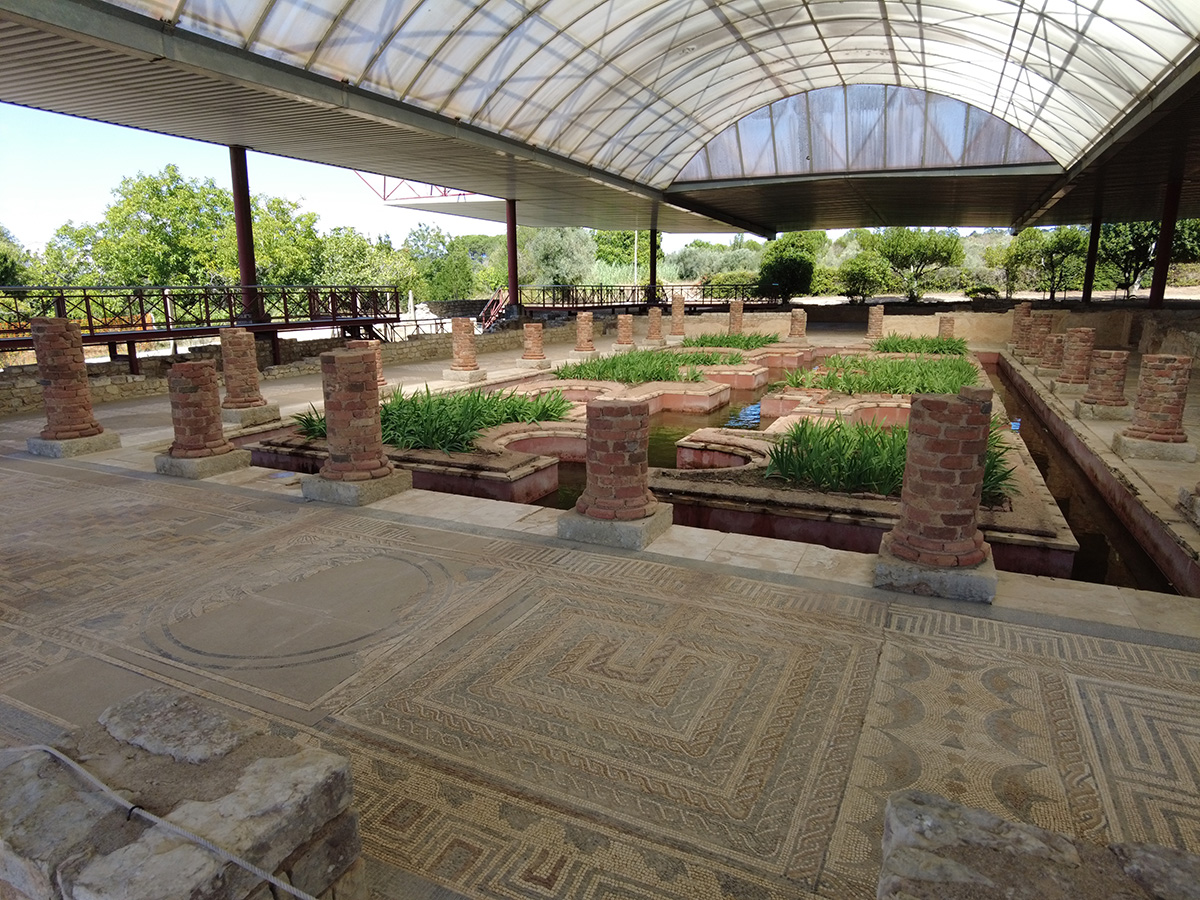
One of the highlights of a visit to Conímbriga is the chance to see its stunning mosaics. These intricate designs, which once adorned the floors of the city’s buildings, have survived the centuries and offer a glimpse into the artistic skills of Roman craftsmen. Under the right weather conditions, the mosaics come to life, their vibrant patterns reflecting the light and revealing the elegance of Roman decorative art.

The most impressive mosaics can be found in the House of the Fountains, a luxurious Roman villa known for its elaborate courtyard, decorative fountains, and intricate floor designs. These mosaics tell stories of daily life, mythology, and nature, providing a rich tapestry of Roman culture and aesthetics.

Exploring the On-Site Museum

To delve deeper into Conímbriga’s history, the on-site museum is a must-visit. It houses a collection of artifacts discovered during excavations, including pottery, tools, sculptures, and coins. These exhibits bring the city’s history to life, offering insights into the lives of its inhabitants—from wealthy merchants to everyday citizens.

The museum also offers an educational perspective on the archaeological process itself, showcasing how discoveries were made and how the site has been preserved over the years. It’s a perfect complement to a tour of the ruins, providing context and depth to what you see as you explore the ancient city.

A Perfect Day Trip from Coimbra or Beyond

Conímbriga’s proximity to Coimbra makes it an ideal destination for a day trip, and it’s also a convenient stop on the route from Lisbon to Porto—one of the itineraries I love to offer my guests. The journey allows visitors to immerse themselves in Portugal’s layered history, from the Roman era to modern times, all within a short distance.

Enjoying the Experience

Whether you’re a history enthusiast, a fan of ancient architecture, or simply curious about Portugal’s past, Conímbriga is a destination that will captivate and inspire. The ruins are set in a tranquil landscape, offering a peaceful yet powerful reminder of a civilization that once thrived here.

Every visit to Conímbriga is a chance to marvel at the resilience of history—the way these ruins have endured through centuries, carrying the stories of those who lived here long ago. It’s a journey I love to share with my guests, and one that I hope they carry with them as a cherished memory of their time in Portugal.

So, if you find yourself exploring central Portugal, don’t miss the chance to step back in time and visit Conímbriga. It’s a reminder that the stories of the past are always just waiting to be discovered, beneath the surface of the present. Enjoy your journey through this remarkable ancient city!

#Useful_Tips #Portugal_Unplugged