Hidden Gems

Santa Cruz: A Coastal Escape Close to Lisbon

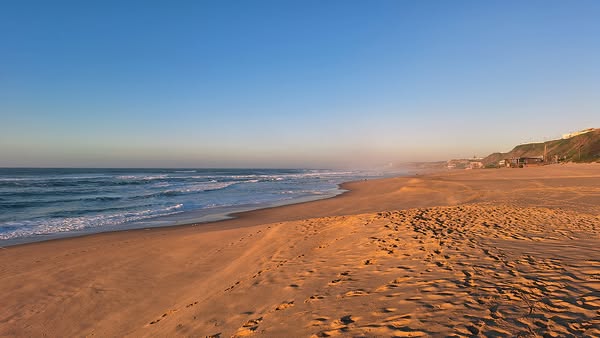
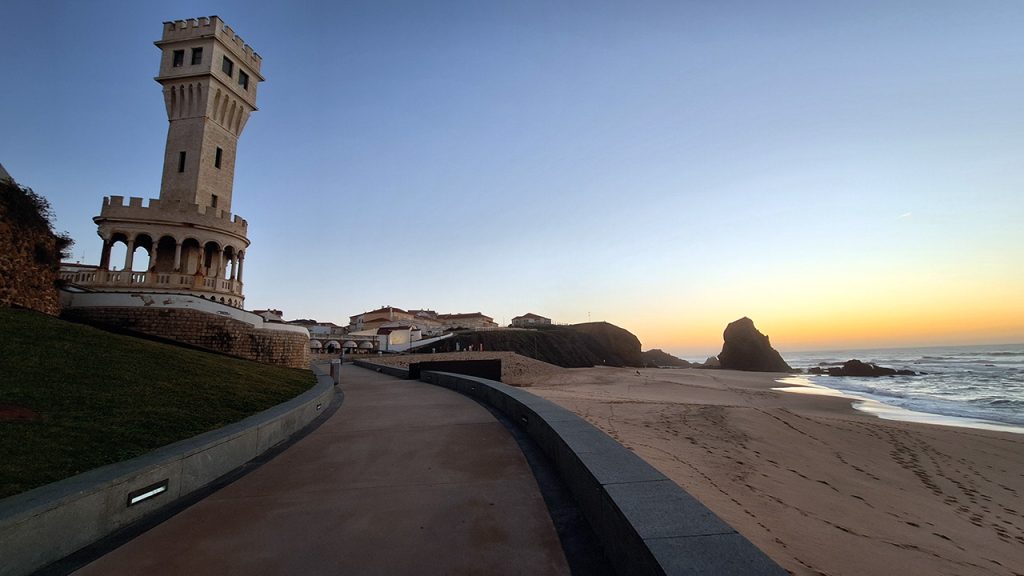
Nestled just an hour away from Lisbon, Praia de Santa Cruz is a captivating yet often overlooked slice of coastal paradise. Unlike the well-trodden beaches of Cascais or the Algarve, this hidden gem offers a more intimate connection with the Atlantic Ocean and the unspoiled beauty of Portugal’s coast.

A Beach for All Seasons

Santa Cruz transforms with the seasons. In summer, the area comes alive with vibrant energy, hosting lively festivals, buzzing nightlife, and sun-seekers enjoying the golden sands. Winter, however, unveils its quieter side, perfect for those seeking solitude. The winter sun casts a golden hue over the dramatic cliffs, and the crisp Atlantic breeze refreshes both body and mind.

Why Santa Cruz is Special

Santa Cruz has a way of leaving a mark on visitors. Its timeless charm and natural beauty resonate deeply, making every visit feel like a homecoming. Whether you’re reminiscing about youthful adventures or creating new memories, this beach is a perfect retreat to recharge and rediscover your inner calm.

What Makes It Unique?

Santa Cruz remains untouched by mass tourism. Its hidden-gem status ensures a serene environment where you can truly unplug. Explore dramatic rock formations, take a leisurely walk along the cliffs, or simply bask in the peaceful rhythm of the waves.

Getting There

Praia de Santa Cruz is conveniently located just an hour’s drive from Lisbon, making it an ideal day trip or weekend getaway. It’s a chance to experience an authentic and less commercialized side of Portugal.


Santa Cruz is more than a beach; it’s a feeling—a reminder to slow down, breathe deeply, and enjoy the beauty around us. Have you discovered your special place like this? Share your favorite hidden gem or your experiences at Santa Cruz in the comments below!

#Useful_Tips #Portugal_Unplugged

The Ultimate Guide to Planning Your Trip to Portugal

Planning a trip to Portugal and getting stuck? From choosing when to visit to reserving tours and accommodations, organizing your trip can be daunting. Fear not! We’ve broken it down into simple, actionable steps so that planning your trip to Portugal is a piece of cake.

Step 1: Decide When to Visit Portugal

Portugal is a year-round destination, but the best time to visit depends on your travel type:

  • Spring (March-May) – Nice weather, fewer tourists, perfect for sightseeing.
  • Summer (June-August) – Hot, party time, perfect for beach lovers.
  • Fall (September-November) – Fewer tourists, perfect wine harvest season.
  • Winter (December-February) – Pleasant climate, perfect for cultural tours and fewer tourists.

Pick a month that best fits your interests and calendar.

Step 2: Determine the Length of Your Vacation

How long do you have? Most of the well-balanced Portugal vacations will be between 7-14 days in duration, meaning that you are able to find cities like Lisbon, Porto, Sintra, and the Algarve at a reasonable rate. It is feasible to visit for shorter durations covering one or two main areas.

Step 3: Plan a General Itinerary

Don’t make any bookings yet, but make a rough plan to schedule your arrival and departure points. Consider:

  • Where you want to go (Lisbon, Porto, Douro Valley, Algarve, etc.).
  • Extra days in each place.
  • What you care most about (food, history, beaches, nature, etc.).

Step 4: Book Your Flights

Airfare fluctuates, so the sooner you book, the more you’ll save. Look for flights to Lisbon (LIS) or Porto (OPO), Portugal’s two primary international airports. Being flexible and altering your travel dates by a day or two will also lower your ticket cost!

Step 5: Choose Your Mode of Transportation

Decide how you’ll get around Portugal:

  • Rental Car – Ideal for exploring off-the-beaten-path locations like the Algarve, Alentejo, or Douro Valley.
  • Public Transport – Trains and buses are great for city-to-city travel (Lisbon to Porto, for example).
  • Private Transfers – Convenient and stress-free for a personalized experience.

Step 6: Finalize Your Itinerary

Your flights are booked and you’ve organized how you’ll get around. Now put your itinerary in stone:

  • Put the cities you’ll go to and how long you’ll stay in each in concrete terms.
  • Choose the order of your destinations to avoid pointless backtracking.

Step 7: Book Your Accommodation

To be on the safe side, we recommend hotels with refund policies. You can cancel if you need to. Some of the top recommendations are:

  • Boutique hotels in Lisbon and Porto for an old-world feel.
  • Beach resorts in the Algarve for relaxation.
  • Vineyard retreats in Douro Valley for a winery getaway.
  • Historic Pousadas (reconverted monasteries and castles) for an elite ambiance.

Step 8: Reserve Tours & Activities Early

Best guided tours and activities book out 3+ months prior to peak season. Consider:

  • Private tours of Sintra, Porto, or Douro Valley.
  • Wine tastings at local vineyards.
  • Lisbon food tours for trying Pastel de Nata, Bacalhau, and more!
  • Day tours to historic sites like Óbidos and Évora.

Step 9: Buy Train Tickets (if Necessary)

Portugal’s major route train tickets (e.g., Porto to Lisbon) cannot be booked in advance more than 60 days. If going by train, put a note to get your tickets early so you get the cheapest fare!

Step 10: Reserve Restaurant Tables & Buy Attraction Tickets

If you have restaurants that you need to visit, reserve tables weeks in advance. Popular sites like Jerónimos Monastery, Pena Palace, and Livraria Lello in Porto also fill up quickly, so it’s a good idea to pre-book tickets to save you time and stress.

Bonus Tip: Need Planning Assistance?

Planning a trip to Portugal doesn’t have to be daunting. Want professional assistance in creating your ideal itinerary? Look at our customized tours or get in touch and ask for recommendations!

Start Planning Your Dream Portugal Trip Today!

With this step-by-step guide, you’re well on your way to experiencing the best of Portugal. Need travel inspiration? Follow us on Instagram, Facebook, and Youtube for insider tips, stunning travel photos, and exclusive deals!

#Useful_Tips #Portugal_Unplugged #PortugalTravel #VisitPortugal #PortugalItinerary #TravelTips #ExplorePortugal #Lisbon #Porto #DouroValley #Algarve #Sintra #EuropeTravel

5 Common Mistakes Travelers Make in Portugal (and How to Avoid Them!)

Traveling to Portugal? Don’t allow these typical errors to spoil your vacation! Hidden charges, bad dining decisions, and more – we’ll enable you to steer clear of the common visitor traps and see Portugal like a native.

1. Assuming You Can Pay by Card Everywhere

Even if the majority of establishments accept credit cards, small shops, neighborhood markets, and old-style tascas (Portuguese restaurants) often prefer cash. Be prepared—have some euros with you, especially when dining at local restaurants!

2. Wearing the Wrong Shoes

Portugal’s towns, especially Porto and Lisbon, are famous for the hills and cobblestone streets. Stylish shoes are great for a photo opportunity, but you won’t enjoy blisters on your feet (or a skid on calçada) if you’re not careful to select slip-resistant and comfortable footwear.

3. Taking a Taxi Without Checking the Fare

Airport taxi scams are real. There are taxi drivers who overcharge tourists, especially when they are arriving. To avoid surprises, ask for an estimate of the fare beforehand or use rideshare services like Uber or Bolt, which are more reliable and affordable.

4. Falling for Tourist Trap Restaurants

In tourist destinations, they have people working for them to entice visitors to go in. The restaurants are usually overpriced with substandard food. Try researching online reviews or asking the locals where they go to eat authentic Portuguese meals.

5. Wasting Time in Long Queues

Portugal’s top attractions are crowded, especially during peak season. Instead of waiting in line for hours, look for skip-the-line tickets, visit during off-peak times, or try lesser-known but just as lovely alternatives.

Want to experience Portugal the right way?

Let us take care of the details so you can enjoy every moment!

#Useful_Tips #Portugal_Unplugged

Are You REALLY Seeing Portugal? Or Just Following the Herd?

Portugal is a world’s leading travel destination, but are travelers really immersing themselves in the country—or just checking off a tired, overscheduled to-do list? If “experiencing Portugal” is walking around Alfama, snapping some pics of the Douro, and pushing your way onto a crowded Algarve beach, sorry to break it to you, you’ve only just begun scratching.

The Tourist Bubble: Why Most Visitors Only See 10% of Portugal

Portuguese tourism has boomed, but so has the copy-paste travel culture. Tourists flock to the same five places, eat at the same pricey restaurants, and leave thinking they’ve “done” Portugal.

Lisbon: Tram 28, Belém pastry, and selfie-stick-equipped miradouros.

  • Porto: Rabelo boats, Livraria Lello bookstore, and wine tastings that are more foreigners than locals.
  • Algarve: Crowded beaches, touristy traps, and overpriced seafood.

Sound familiar? The problem isn’t these destinations—it’s how people go there. They travel with the crowds, missing the authentic Portugal that exists outside of tourist sites.

Portugal Beyond the Instagram Checklist: What You’re Missing

If you stick to the tourist trail, you’re not seeing 90% of the real Portugal. The country is a patchwork of unique landscapes, traditions, and regional flavors waiting to be explored. Here’s what most tourists overlook:

Underrated Coastal Towns: Forget crowded beaches—head to wild coastlines and isolated fishing towns for an authentic experience of Portugal’s sea-faring culture.


Authentic Food Experiences: Bacalhau out of the tourist menus, family tascas, and local specialties that never make it to the ‘Top 10’ lists.


The Real Wine Country: Sure, Porto is famous for port wine, but Portugal boasts 14 wine regions. Head to the Dão, Alentejo, or Bairrada for an authentic (and far less touristy) wine experience.

Nature & Adventure: Portugal is a paradise for hikers, surfers, and nature lovers. Swap the crowded tuk-tuk tours for the Peneda-Gerês National Park or the Douro’s hidden trails.

Ditch the Herd: How to Experience Portugal Like a Smart Traveler

Ready to leave the FOMO-ridden schedule behind and see Portugal in a manner that truly counts? Here’s how:

Slow Down. Portugal is not a place to rush through—indulge in the relaxed atmosphere and allow each destination the time it needs.


Be Selective. Not all ‘must-see’ attractions are worth visiting. Choose unique experiences over tourist traps.


Go Where the Locals Go. If a restaurant has a picture menu in several languages, run away. Instead, eat where the Portuguese eat.

Escape from the Hotspots. Portugal offers more than the Algarve, Lisbon, and Porto. Explore the countryside, the islands, and lesser-known coastlines.

Conclusion: Are You Traveling or Just Collecting Stamps?

If your trip to Portugal is just a checklist of Instagram spots, you’re missing out on the soul of the country. Don’t be that tourist—go beyond the obvious, seek out authentic experiences, and discover the real Portugal.

#Useful_Tips #Portugal_Unplugged #PortugalTravel #HiddenPortugal #RealPortugal #TravelSmart #BeyondTheTouristTrail

Whispering Stones: Discovering Portugal’s Secret Villages

Deep inside the rough interior of Portugal lies a collection of hidden treasures that transport visitors to a time long past. These schist villages, built from the region’s abundant slate, are a testament to the harmony between nature and tradition. They are 27 small communities opening themselves up to the past of Portugal, where, with the sweat of their brows and the strength of their hearts, the shepherds and farmers formed the landscape. Nowadays, they have been living under a cultural, craftsmanship, and gastronomical renaissance, maintaining the charm of times gone by.

A Unique Cultural Landscape

The villages of schist are much more than picturesque villages; they are real living witnesses of the cultural heritage of Portugal. The rounded hills and profound valleys around this settlement have given the whole area a dramatic scenery, shaped and modelled by man over many centuries. Traditional stone houses, cobbled streets, and terraced fields reflect the ingenuity and tenacity of the ancestors. Here, attachment to the land is palpable: architecture and local traditions form part of the landscape.

Sustainability Meets Revival

In recent years, the schist villages have been revived with sustainable development initiatives. Such an effort was one of preservation-keeping cultural and natural heritage, but it tried to provide fresh modern vigor. The visitor can now experience a mixture of old and new, from traditional crafts to workshops and events infusing these age-old communities with a new air. From gastronomic festivals celebrating regional flavors to hands-on workshops in traditional arts, there’s always something to explore.

A Haven for Nature Lovers

Smack in the middle of pristine forests, with their flowing rivers and untouched wilderness, the schist villages are an athlete’s utopia. You can take either a leisurely walk through the countryside or go on a real adrenaline-packed adventure-the region offers it all. Follow the scents of scenic hiking trails, refreshing river beaches, and breathtaking viewpoints that capture the essence of Portugal’s natural beauty.

A Journey Worth Taking

The schist villages of Portugal will give the possibility of traveling through the heart of tradition, culture, and nature for anyone who intends to have another kind of holiday. Be it for coming to soak up the history, savoring real flavors, or just relaxing among serene landscapes, this is something that will be remembered with the jewels waiting around their corners. Wander away from the beaten track and discover a hidden beauty of the interior of Portugal, where time has stood still, yet life bursts forth anew.

Take a Tour With Us

Here are the links for our tour, including Schist Villages:

Secrets of Portugal:Schist Villages Tour – Desirable Portugal Tours

Tomar, The Templars& Schist Village – Desirable Portugal Tours

#Useful_Tips #Portugal_Unplugged

Unveiling the Charms of Arrábida Natural Park and Its Diverse Treasures

Situated on the Setúbal Peninsula, Arrábida Natural Park (Parque Natural da Arrábida) is one of Portugal’s protected areas rich in natural values and cultural heritage. Founded in 1976, the park covers an area of 176 square kilometers, most of which is under a marine reserve protective status. The peculiar relief, constituted by the limestone mountain range Serra da Arrábida, plunges into the Atlantic in a breathtaking manner so common in Mediterranean coastal landscapes. It is bordered by green hills, steep cliffs, and beaches and, due to these reasons, belongs to the category of one of the most valued parks in Portugal.

Portinho da Arrábida

Portinho da Arrábida: The Marvel of the Coast

Undoubtedly, the most picturesque nook of the park is the place of Portinho da Arrábida, which is far from being just a beach-a small bay, framed by a village with buildings peculiarly laid out. Very peaceful atmosphere here: the right degree of nature and traditional architecture. Above the bay stands the 17th-century Fort of Nossa Senhora da Arrábida, begun by King Pedro II after constant pirate raids on the coastline. Nowadays, the fort does house an Oceanographic Museum; it gives good insight into the marine life and history of this area. The crystal-clear waters and the picturesque view of the surroundings make Portinho da Arrábida something worth seeing.

Palmela Castle

Palmela Castle: A Watchtower through the Ages

Dominating the landscape between the Tagus and Sado rivers, Palmela Castle is a symbol of Portugal’s rich history. While its origins date back to the Islamic period, it was in the 12th century, after its reconquest by King Afonso Henriques, that it became prominent. Over the centuries, it underwent numerous expansions, serving as an important military outpost and a means of communication. They can visit the ruins of the Church of Santa Maria do Castelo, they can see the imposing pentagonal keep that is looming over them, and enjoy panoramic views of the surrounding countryside. It also played an important role in safeguarding Lisbon and southern Portugal and is, therefore, a site that no history enthusiast would want to miss.

Cabo Espichel Sanctuary

Cabo Espichel Sanctuary: A Sacred Landmark by the Sea

The Sanctuary of Our Lady of Espichel perches on dramatic cliffs overlooking the Atlantic and represents an unlikely juat a position of religious devotion with architectural grandeur. Legend maintains that in 1410, the Virgin Mary appeared here, inspiring this sacred site. It contains a church, pilgrim accommodation, and the Hermitage of the Memory, marking the site of the apparition. Completion of interest includes the aqueduct and remnants of the Casa da Ópera. The sanctuary remains a very valid religious and cultural interest, which includes annual pilgrimages and celebrations.

Sesimbra Castle

Sesimbra Castle: The Last Castle by the Sea

The medieval Sesimbra Castle is classified as a National Monument and represents the last of Portugal’s castles on the sea that still maintains its original design. Built during the Moorish occupation, it was later reclaimed by King Afonso Henriques and fortified in subsequent centuries. Perched atop a hill, the castle offers panoramic views of the Sesimbra coastline and the Atlantic Ocean. Within its walls, visitors can explore exhibits on its history, walk along the battlements, and enjoy local delicacies at the on-site café. The combination of history, architecture, and the scenic views from the castle turns it into the crown jewel of a visit to the region.

Plan Your Visit

Whether you like history, love nature, or are seeking a quiet retreat, the Arrábida Natural Park and its surroundings have something for everyone. From tranquil beaches in Portinho da Arrábida to stunning castles in Palmela and Sesimbra, down to the mystique of Cabo Espichel, this is an area of Portugal that really hosts a number of different landscapes and cultural heritage. Do not miss the opportunity to visit this corner of the country.

Take a Tour With Us

Here is the link for our tour, including Arrábida Natural Park:

Arrábida & Wine – Desirable Portugal Tours

#Useful_Tips #Portugal_Unplugged

Tomar: The Enchanting Templar City of Portugal

Tomar, a city steeped in history and intrigue, is a treasure trove of heritage and traditions, once serving as the headquarters of the Knights Templar in Portugal. Enveloped by the serene Nabão River and crowned by the magnificent Convent of Christ, Tomar offers a captivating journey through time.

The city’s layout is uniquely organized in the shape of a cross, with convents marking each cardinal point. This fascinating design reflects Tomar’s historical and spiritual significance. As we dive deeper, let’s explore three of its most iconic landmarks that embody the essence of this Templar city:

Convent of Christ

The Timeless Wonder: Convent of Christ

A UNESCO World Heritage Site and the jewel of Tomar. Take your time to admire its architectural wonders, especially the Charola, the main cloister, and the intricate Manueline window. Its grandeur reflects the Templars’ influence and the Manueline style’s artistic richness.

Church of Santa Maria do Olival

The Sacred Legacy: Church of Santa Maria do Olival

A striking example of Portuguese Gothic architecture, this church once served as the headquarters of the Templars and houses the tombs of several Grand Masters, including Gualdim Pais. Its serene atmosphere and historical significance make it a must-see.

Aqueduct of Pegões

Engineering Marvel: Aqueduct of Pegões

One of Portugal’s most beautiful aqueducts, spanning 6 km, built to supply water to the Convent of Christ. Visitors can walk along the aqueduct, marveling at its engineering, but exercise caution and stay safe.

Plan Your Visit

Tomar’s rich history, combined with its architectural marvels and lush landscapes, makes it a must-visit destination. Whether you’re drawn by the allure of the Knights Templar or simply seeking a scenic escape, Tomar promises an unforgettable experience.

Add it to your itinerary and immerse yourself in the charm of this extraordinary city.

#Useful_Tips #Portugal_Unplugged

Exploring Évora: A Journey Through Portugal’s Historic Heart

Nestled in the heart of Portugal’s Alentejo region, Évora is a UNESCO World Heritage city that captivates visitors with its rich history, stunning architecture, and charming streets. From its ancient origins to its unique landmarks, Évora is a must-visit destination for anyone looking to explore the essence of Portugal. Let’s take a journey through this historic gem!

Évora’s story begins thousands of years ago, with its surroundings inhabited as early as 4000 B.C. The city itself was founded by the Eburones, a Celtic tribe, in the 8th century. Over the centuries, Romans, Visigoths, and Moors left their mark on Évora, each contributing to the city’s unique character. The Reconquista in 1165 brought Évora back under Portuguese rule, ushering in a golden era of growth and architectural splendor.

Roman Temple of Évora

The Roman Temple: A Window to Antiquity

The Roman temple in Évora, often misidentified as the Temple of Diana, dates back to the 1st century AD. Located in the former Roman forum, Liberalitas Iulia, it might have honored Emperor Augustus. This structure, known for its Corinthian columns, has survived through various historical uses, making it a prominent Roman relic in Portugal.

Chapel of Bones

The Chapel of Bones: A Sobering Reflection

The Chapel of Bones (“Capela dos Ossos”) is perhaps Évora’s most famous and chilling attraction. Built in the 17th century by Franciscan monks, the chapel’s walls are adorned with the bones of over 5,000 people. Its haunting inscription, “Nós ossos que aqui estamos, pelos vossos esperamos” (“We bones that are here, await yours”), serves as a poignant reminder of the fragility of life. While eerie, the Chapel of Bones is a profound and thought-provoking site that leaves a lasting impression.

Praça do Giraldo

Praça do Giraldo: The Heart of the City

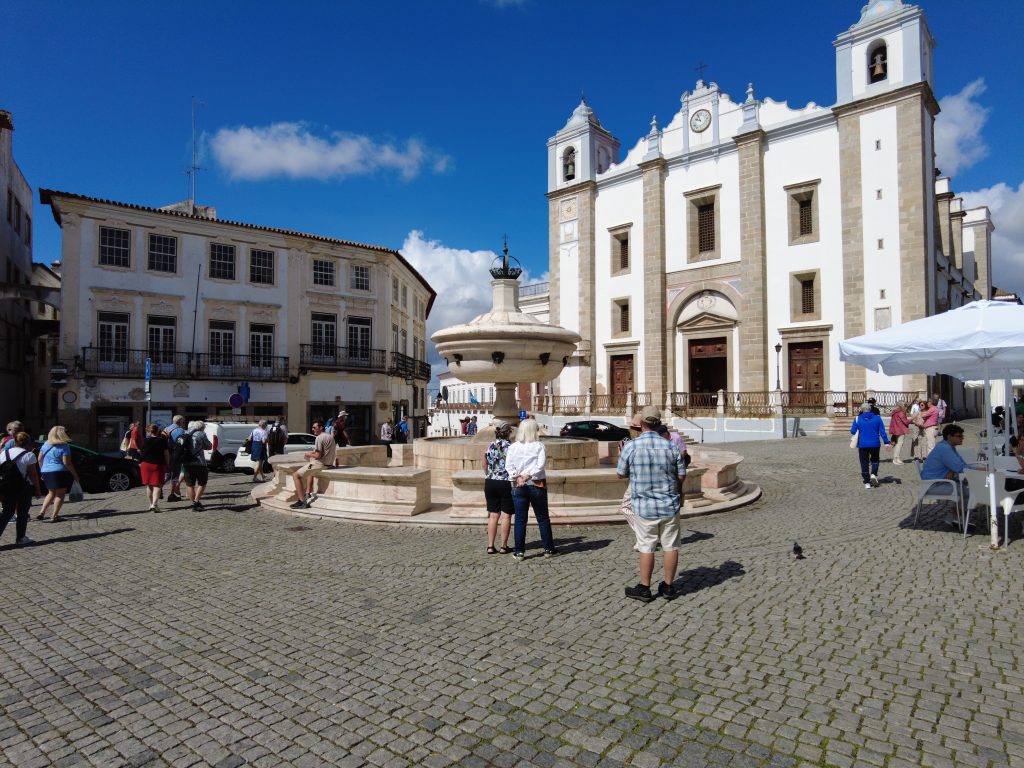
Praça do Giraldo, Évora’s main square, is the bustling heart of the city. Once a Moorish marketplace, this historic square is now a hub of local life, surrounded by stunning buildings like the Igreja de Santo Antão and a white marble fountain. Grab a coffee at one of the outdoor terraces and take in the vibrant atmosphere as you watch daily life unfold in this iconic location.

The Star of the Show: Évora’s Streets and Architecture

While Évora’s landmarks are undeniably impressive, the true magic of the city lies in its labyrinth of narrow streets and architectural details. Wander through cobblestone alleys lined with whitewashed houses, traditional azulejos (ceramic tiles), and wrought-iron balconies. Each turn reveals a new perspective, from hidden courtyards to charming doorways and vibrant street art.

The city’s medieval walls, built in the 14th century, enclose these picturesque streets, preserving their timeless beauty. Walking through Évora feels like stepping back in time, offering visitors a chance to immerse themselves in the city’s rich cultural heritage.

Architectural Highlights

Évora’s architectural tapestry is a blend of styles, reflecting its diverse history:

  • Medieval Gothic: The Cathedral of Évora is a masterpiece of Gothic architecture, with a stunning rooftop that offers panoramic views of the Alentejo plains.
  • Renaissance: Explore the University of Évora, housed in a 16th-century building with beautifully preserved cloisters.
  • Baroque: Churches like Igreja de São Francisco showcase intricate Baroque details that add to the city’s charm.

Why Évora Stands Out

Whether you’re exploring the Roman Temple, marveling at the Chapel of Bones, or simply getting lost in the charming streets, Évora promises a journey through time and culture. Don’t forget to bring your camera and your curiosity—every corner of this city has a story to tell.

Make sure to include Évora in your next adventure through Portugal and discover why this historic gem continues to captivate travelers from around the world.

#Useful_Tips #Portugal_Unplugged

Mafra: A Royal Escape Full of History, Nature, and Charm

If you’re in Lisbon and looking for an escape from the crowds or a new adventure when some monuments are closed, consider a day trip to one of Portugal’s UNESCO World Heritage Sites—Mafra. This charming village, just a short drive away, is home to stunning Baroque architecture, rich history, and beautiful natural surroundings that offer a perfect retreat from the bustling capital.

The Jewel of Mafra: The National Palace

Mafra’s crown jewel is undeniably the Mafra National Palace, a colossal Baroque masterpiece commissioned by King João V in the early 18th century. Originally built as a hunting lodge and monastery, the palace has become one of the grandest in Europe, showcasing an incredible mix of art, history, and architecture.

The palace’s grandeur is evident with its 1,200 rooms and the longest palatial corridor in Europe, stretching an astonishing 232 meters. But the highlights don’t stop there—the palace also boasts a breathtaking library, one of the most beautiful in Europe, with nearly 40,000 rare books. What makes it even more unique is its natural book preservation system—bats that help protect the volumes by eating harmful insects!

Another must-see is the palace’s magnificent basilica, which houses a remarkable collection of six pipe organs and the world’s largest carillon, featuring over 100 bells. If you visit on a Sunday afternoon, you might be lucky enough to catch a carillon recital that echoes through the village, creating a truly magical atmosphere.

Discover Jardim da Cerca: A Royal Garden Escape

Just beside the palace lies Jardim da Cerca, a charming garden that once served as the palace’s kitchen garden and orchard. It’s now a beautiful park where you can enjoy a relaxing stroll or have a quiet picnic. With its maze-like pathways, old water features, and serene shaded corners, Jardim da Cerca is the perfect spot to unwind after a day of exploring.

Nature’s Playground: Tapada de Mafra

If you crave more nature, head to the Tapada de Mafra, a sprawling 800-hectare park originally established as a royal hunting ground. Now a conservation and nature education site, it’s a haven for wildlife enthusiasts and families. You can explore the park by hiking, biking, or even taking a small train ride through the dense forests, spotting local animals like deer and wild boar along the way. It’s an ideal way to spend an afternoon, reconnecting with nature after absorbing all that royal history.

Wine, Food, and More—Exploring Beyond the Palace

Mafra offers more than just palatial grandeur. Here are some other activities to complete your day:

Wine Tasting at Quinta Sant’Ana

Just outside Mafra, Quinta Sant’Ana is a charming vineyard where you can enjoy wine tastings and picnics amidst scenic countryside views. It’s a perfect way to unwind and taste the local wines while soaking in the picturesque landscape.

Lunch at Adega do Convento

After your palace exploration, satisfy your appetite at Adega do Convento, a cozy restaurant known for its hearty Portuguese cuisine. It’s the perfect spot to experience authentic flavors and recharge for more adventures.

Hiking and Birdwatching in Tapada

Take advantage of the many trails within Tapada de Mafra, perfect for a leisurely hike or bike ride. Nature lovers will delight in the birdwatching opportunities, so don’t forget your binoculars!

Getting to Mafra: Your Travel Options

Mafra is just a short journey from Lisbon, and getting there is easy:

  • By Car: Drive from Lisbon on the A8, merging onto the A21 near Venda do Pinheiro. Exit at Mafra East, where you’ll find free parking at the Alto da Vela Intermodal Parking.
  • By Bus: Head to the Campo Grande Transport Hub (accessible via the Green or Yellow Metro lines) and take one of the Carris Metropolitana buses (routes 2740, 2742, 2802, 2803, or 2804) directly to Mafra.

Unfortunately, there’s no direct train to Mafra, as the station is too far from the town. But if you’re looking for an alternative travel experience, you can always join a guided tour with Desirable Portugal for a seamless visit.

Combine Your Visit with a Trip to Ericeira

Mafra is close to Ericeira, a picturesque fishing village that was recently awarded “World Tourism Village 2023.” Combining both destinations makes for a perfect day trip from Lisbon, giving you a taste of Portugal’s royal history and coastal beauty in one outing.

Why Mafra Should Be on Your Bucket List

Mafra may not have the bustling energy of a big city, but it offers a unique blend of history, nature, and traditional culture that makes it a must-see destination. Whether you’re a history buff eager to explore the magnificent Mafra Palace, a nature lover seeking the tranquility of Tapada de Mafra, or a foodie excited to sample local wines and cuisine, Mafra has something for everyone.

So, the next time you find yourself in Lisbon with a free day and a craving for a mix of royal elegance and rustic charm, don’t hesitate to make the short journey to Mafra. With its palatial beauty, natural wonders, and delicious local experiences, it’s a place you’re sure to fall in love with—just don’t forget to bring your camera to capture the stunning views!

For a sneak peek, check out a video of Mafra Palace shot on one of the busiest days—it’s a sight to behold! Watch it here. Enjoy your adventure in this charming corner of Portugal!

#Lisbon #Useful_Tips…

Ericeira: A Surf Haven with Rich History, Delicious Seafood, and Stunning Sunsets

  • Fresh Seafood: Enjoy the local specialties like grilled fish, seafood rice, and the famous açorda de lagosta, a lobster-based bread stew that’s as hearty as it is delicious.
  • Grelhados (Grilled Fish): Simple yet mouthwatering, grilled fish seasoned with olive oil, lemon, and salt is a staple here.
  • Caneja de Infundice: A unique and traditional dish made from “caneja”, a kind of fish, with no direct translation of…

    Ericeira is not just another coastal village in Portugal—it’s a unique destination where the surf culture, local history, and traditional charm blend seamlessly. Located just 50 kilometers northwest of Lisbon, Ericeira is often referred to as the “European Surf Mecca” and proudly holds the title of the only designated World Surfing Reserve in Europe. Whether you’re drawn by the waves, the history, or the picturesque beauty, Ericeira has something for everyone.

    A Bit of History: Where the Past Meets the Waves

    Ericeira’s charm is deeply rooted in its history. This seaside village, with possible ties to ancient Phoenician trade routes, has been a fishing hub for centuries. In the 19th century, it was a bustling port town, and in 1910, it became the backdrop for a dramatic royal escape—the last Portuguese king fled to exile from its shores, adding a layer of intrigue to this peaceful fishing village.

    Today, the village’s narrow, cobbled streets and traditional white-and-blue houses offer a glimpse into the past, inviting visitors to explore a town that has seen the ebb and flow of history.

    The unique “Jagoz” culture.

    Historically, the term has been used to differentiate the fishing community of Ericeira from the surrounding saloio inhabitants, who are not from the village itself but from the broader region of Mafra. The word “jagoz” likely originates from the local dialect influenced by the village’s history and culture, with various theories suggesting connections to Arabic or old Portuguese terms, though its exact etymology remains a subject of debate. Over time, “jagoz” has evolved from a mere description of birthplace to a symbol of pride and identity, representing not just the geographical connection but also the cultural and historical essence of Ericeira’s fishing community. In 2023 a statue of “Jagoz” was placed in front of the main beach area, Praia dos Pescadores.

    Surf’s Up: Ericeira’s World-Class Waves

    Ericeira has earned its reputation as a global surfing destination, attracting wave riders from around the world. With consistent swells, varied surf breaks, and ideal wave conditions, it’s a paradise for surfers of all levels:

    • Ribeira d’Ilhas: This iconic beach is the heart of Ericeira’s surf scene, hosting international competitions and offering some of the best waves in Europe.
    • Praia dos Coxos: Known for its powerful and challenging waves, this spot is favored by experienced surfers looking for a thrill.
    • Foz do Lizandro: A beginner-friendly beach with mellow waves, perfect for families and those new to surfing.
    • Praia do Matadouro: A lively beach with waves suitable for all levels, making it a popular spot for both locals and visitors.
    • Praia de São Lourenço: With its strong waves and stunning views, this beach is a favorite among advanced surfers.
    • Praia da Empa: A quieter, less crowded beach ideal for intermediate surfers, surrounded by beautiful cliffs.
    • Praia da Calada: A hidden gem, this secluded beach offers picturesque landscapes and uncrowded waves for those seeking solitude.

    Whether you’re a seasoned pro or a first-timer looking to catch your first wave, Ericeira’s diverse surf spots ensure there’s something for everyone.

    Beyond the Surf: Exploring Ericeira’s Must-See Spots

    Ericeira is not just about catching waves; it’s a place full of attractions and experiences that go beyond the beach:

    • Praia dos Pescadores (Fisherman’s Beach): A historic and family-friendly beach, known for its golden sands and clear waters. It’s where the last Portuguese king fled in 1910, and today, it’s the perfect spot for a leisurely beach day or a seafood meal at one of the seaside restaurants.
    • São Pedro da Ericeira Church: A simple yet beautiful church dating back to the 15th century, offering a glimpse into the town’s spiritual history.
    • São Sebastião Chapel: Built between the 15th and 16th centuries, this modest chapel features a stunningly tiled interior, showcasing Portugal’s traditional craftsmanship.

    What to Do in Ericeira: Activities and Adventures

    • Hit the Waves: You can’t visit Ericeira without giving surfing a try. Plenty of local surf schools offer lessons for beginners, while experienced surfers can head straight to the best spots.
    • Catch a Sunset: Ericeira’s sunsets are legendary. Find a spot on the cliffs or a quiet beach and watch as the sun dips into the Atlantic, casting a warm glow over the village.
    • Stroll Through the Old Town: Wander the village’s narrow streets, discovering charming cafes, local crafts, and squares like Largo dos Navegantes. It’s a perfect way to soak in the town’s relaxed vibe.
    • Visit the Mafra National Palace: Just a short drive from Ericeira, this Baroque palace is a must-see, with its grand architecture and impressive library.
    • Explore José Franco Typical Village: Step back in time at this open-air museum, showcasing traditional rural life with lifelike scenes of farming and fishing.

    Ericeira’s Culinary Delights: A Taste of the Sea

    Ericeira’s culinary scene is a seafood lover’s dream, with local restaurants serving up fresh catches straight from the Atlantic:

    • Fresh Seafood: Enjoy the local specialties like grilled fish, seafood rice, and the famous açorda de lagosta, a lobster-based bread stew that’s as hearty as it is delicious.
    • Grelhados (Grilled Fish): Simple yet mouthwatering, grilled fish seasoned with olive oil, lemon, and salt is a staple here.
    • Caneja de Infundice: A unique and traditional dish made from “caneja”, a kind of fish, with no direct translation of…