Blog

Guardians of the Wild: Protecting Portugal’s Iberian Wolves

The Iberian wolf (Canis lupus signatus) is a critically important and endangered species found in Portugal and Spain. It is listed as “Endangered” on the IUCN Red List due to threats such as habitat loss, fragmentation, illegal hunting, and persecution. Despite being a protected species, the Iberian wolf faces ongoing challenges, making conservation efforts crucial.

The Role of Wolves in the Ecosystem

Wolves are essential for the health of ecosystems. In Portugal, they help control populations of herbivores like deer and wild boar, ensuring that forests are not overgrazed. Additionally, by preying on weaker animals, they contribute to the overall vitality of the species they target, ensuring healthier populations in the wild.

Wolves also hold cultural significance in Portuguese heritage. They feature prominently in folklore and legends, symbolizing strength, freedom, and resilience.

Challenges Facing the Iberian Wolf

  • Hunting and Poaching: Despite legal protections, wolves continue to be hunted, and poaching for their fur and body parts remains a problem.
  • Habitat Loss: Deforestation and urban development are encroaching on wolf territories, diminishing their natural habitat.
  • Conflict with Livestock: Wolves sometimes attack livestock, leading to tensions with farmers and rural communities.

Grupo Lobo’s Role in Conservation

Founded in 1998, Grupo Lobo (Wolf Group) is a non-profit organization based near Mafra, Portugal, dedicated to the protection and conservation of Iberian wolves. Their efforts include:

  • Rehabilitation and Release: Caring for injured or orphaned wolves and releasing them back into the wild once they are healthy.
  • Educational Outreach: Promoting awareness about wolves through educational programs for schools, businesses, and the public.
  • Volunteer Opportunities: Grupo Lobo invites individuals to volunteer in various conservation tasks, from animal care to fundraising.

The organization has been instrumental in helping the wolf population recover, fostering a deeper understanding of the species’ importance to the environment.

How You Can Help

You can support Grupo Lobo’s work through:

  • Donations: Contributing financially helps fund their programs and activities.
  • Volunteering: Get involved by helping with their initiatives and events.
  • Raising Awareness: Share information about wolves and conservation efforts on social media or within your community.

For more details about Grupo Lobo and how you can contribute to the protection of Iberian wolves, visit their official website: Grupo Lobo.

#Useful_Tips #Portugal_Unplugged
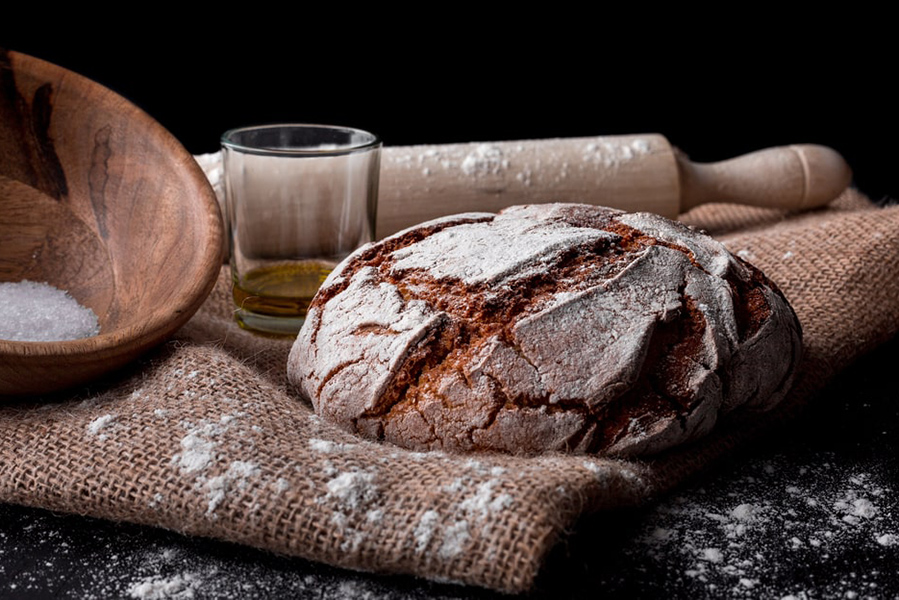
Savor Portugal’s Regional Breads: A Delicious Slice of Tradition

Portugal’s rich gastronomic heritage is beautifully reflected in its diverse bread varieties. From the dense, rustic loaves of the Alentejo to the sweet, aromatic breads of Madeira, Portugal’s regional breads tell stories of tradition, culture, and the land itself. In this article, let’s explore some of the most beloved and unique breads from across the country!

Broa de Avintes

Hailing from Avintes, near Porto, Broa de Avintes is made with a mix of white corn, rye, and malt. Its deep color and distinct shape are matched by a dense, slightly moist crumb that offers a sweet yet sour flavor. Traditionally served with soups or alongside sausages and cheeses, it’s a staple in Portuguese homes.

Pão de Mafra

This bread from Mafra is beloved for its crispy crust and airy interior, making it perfect for sandwiches. The long fermentation process imparts a unique aroma, while its texture and flavor make it a favorite throughout Portugal.

Bolo do Caco

Made on the island of Madeira, Bolo do Caco is a round flatbread infused with sweet potatoes. Served with garlic butter, this bread is a must-try, with its soft texture and subtle sweetness complementing any meal.

Pão de Rio Maior

Known for its elongated shape and distinctive cross pattern, Pão de Rio Maior stands out for its slightly sweet taste and satisfying crunch. Perfect for sandwiches or toasting, it’s a regional favorite.

Pão Alentejano

In Alentejo, Pão Alentejano reigns supreme. With a thick crust and chewy interior, it pairs beautifully with olive oil and local delicacies. Its rich flavor comes from a slow fermentation process, giving it a distinct taste that embodies the essence of the region.

Pão de Centeio

For those who love rye bread, Pão de Centeio offers a dense and flavorful loaf, ideal for hearty sandwiches. Its robust taste makes it a beloved choice for many Portuguese locals.

Pão de Trigo

A household staple, Pão de Trigo is a versatile wheat bread with a light, fluffy texture. Whether used for sandwiches or enjoyed on its own, this simple yet satisfying bread is a must in every kitchen.

Broa de Milho

Made from cornmeal, Broa de Milho has a unique flavor and slightly denser texture. Ideal for breakfast or as a side dish, it complements both sweet and savory dishes with ease.

Regueifa

A favorite in Minho and Aveiro, Regueifa is a fluffy wheat bread with a soft interior and light crust. Traditionally enjoyed fresh on Sundays, it’s often referred to as “Pão de Domingo” or rosca. Best enjoyed while still warm!

Papo Seco or Carcaça

These small, elongated breads, often referred to as “Papo Seco” or Carcaça, are found everywhere in Portugal. Light and fluffy, they’re perfect for breakfast, snacks, or as part of a sandwich.

Pão de Alfarroba

For something a bit different, Pão de Alfarroba (Carob Bread) is made with carob flour. It offers a slightly sweet, chocolaty flavor and is a great option for those avoiding wheat. Its unique taste and color make it a delightful treat!

Discover Portugal Through Its Bread

Each region in Portugal offers a distinct type of bread, showcasing the country’s vast cultural and culinary diversity. From the robust loaves of Alentejo to the sweet breads of Madeira, these regional specialties offer a delicious way to experience Portugal’s traditions.

As you explore Portugal, make sure to indulge in its bread culture, whether paired with a savory dish or enjoyed on its own. The flavors of Portugal’s breads are sure to leave a lasting impression on your culinary journey.

Share your favorite Portuguese bread experiences with us in the comments below!

#Useful_Tips #Portugal_Unplugged

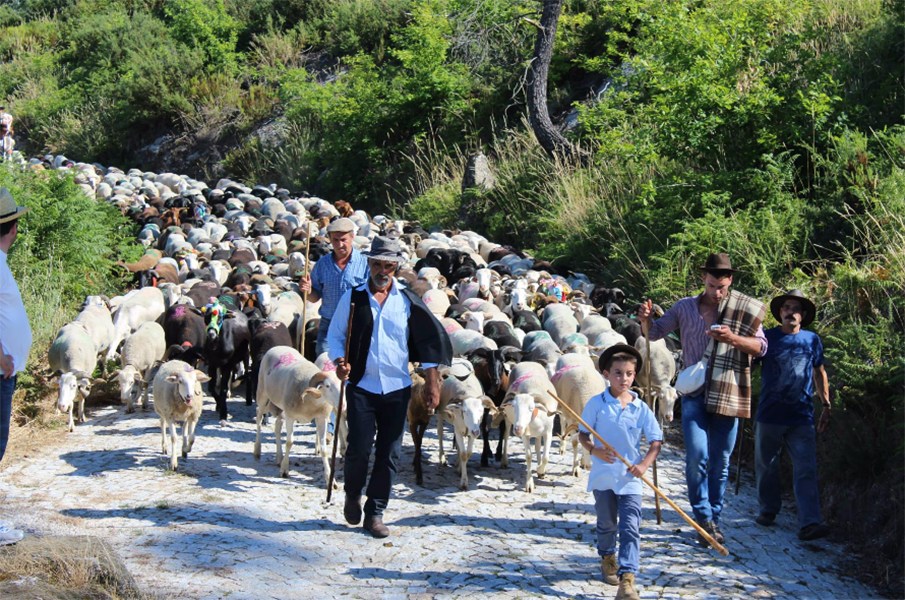
The Art of Moving Flocks: Exploring Portugal’s Transhumance Culture

Transhumance is a traditional practice that has been part of Portugal’s agricultural life for centuries. This age-old practice involves shepherds leading their flocks of sheep to higher mountain pastures during the summer months, seeking cooler climates and abundant grazing land. Although this practice has declined in recent years due to modern agriculture, it is still carried out in the Centro region of Portugal today, offering a glimpse into a way of life that connects the land, history, and nature.

The Origins and History

Transhumance is believed to have originated on the Iberian Peninsula during the Iron Age. Originally, it was a practical solution for shepherds to find better grazing areas in the summer months. Over time, it became a more organized practice. During the Middle Ages, shepherds would travel in groups, making the journey safer, and would build shelters and corrals in the mountains to house their flocks.

Though the practice began to decline in the 20th century with the rise of modern farming methods that made year-round grazing possible, it continues today due to its sustainability. Transhumance helps to preserve landscapes, promote biodiversity, and prevent overgrazing by allowing sheep to graze on diverse vegetation and spread nutrients through seed dispersal.

Experiencing Transhumance Today

Visitors to Portugal can experience transhumance in various ways, especially in the Centro region:

  • Transhumance Trails: These walking paths wind through picturesque landscapes, offering stunning views of mountains and valleys. As you walk, you’ll learn about the history of transhumance and have the chance to observe the sheep grazing in their natural environment.
  • Transhumance Festivals: The region hosts annual festivals that celebrate this tradition. These festivals are an opportunity to meet the shepherds, discover their way of life, and experience cultural activities related to transhumance.

The practice is an immersive way to understand Portugal’s rural heritage and the rhythms of nature that have shaped the country for centuries.

For more information about the Transhumance Trails and festivals, check out the official resources from Turismo do Centro here and the Visit Castro Daire website.

This unique tradition not only helps maintain ecological balance but also invites visitors to experience the rural soul of Portugal.

#Useful_Tips #Portugal_Unplugged
300 Ways to Enjoy Portugal’s Beloved Codfish Tradition

Bacalhau, or salted and dried codfish, is not just a dish but a cornerstone of Portuguese cuisine. The Portuguese have a rich history with bacalhau, and it is often said that there are over 300 ways to prepare this beloved fish. In fact, Portugal is the world’s largest consumer of salted cod, a tradition that dates back to the 15th century.

History of Bacalhau

The journey of bacalhau began when Portuguese sailors encountered the fish off the coast of Newfoundland, Canada. They quickly realized that the fish could be preserved by salting and drying, which made it an ideal food for long voyages. This preservation method ensured that cod could be stored for months, making it a vital food for sailors and travelers. Bacalhau became a staple of the Portuguese diet by the 16th century, offering a reliable source of protein. In the 19th century, Portugal began importing cod from Norway, which further fueled the growing demand for this fish.

Bacalhau Today

Today, bacalhau is central to Portuguese gastronomy, particularly during special occasions such as Christmas and Easter. Its versatility is unmatched, with a vast array of traditional recipes. Bacalhau is often found in celebrations and is even featured in festivals dedicated entirely to the fish.

Popular Bacalhau Dishes

  1. Bacalhau à Brás – A dish made with shredded bacalhau, eggs, potatoes, and olives.
  2. Bacalhau à Lagareiro – Cod baked with garlic, olive oil, and potatoes.
  3. Bacalhau à Minhota – A version served with onions and sautéed in olive oil.
  4. Bacalhau à Gomes de Sá – Cod with onions, garlic, and potatoes, typically baked in the oven.
  5. Bacalhau à Zé do Pipo – A creamy version topped with mashed potatoes and mayonnaise.
  6. Bacalhau com Natas – Cod baked in a creamy sauce with potatoes.
  7. Bacalhau com Broa – Cod paired with a crunchy cornmeal crust.
  8. Bacalhau Cozido com Grão – Boiled cod served with chickpeas.
  9. Bacalhau com Todos – Cod served with boiled vegetables.
  10. Pastéis de Bacalhau – Cod croquettes (without cheese inside!).
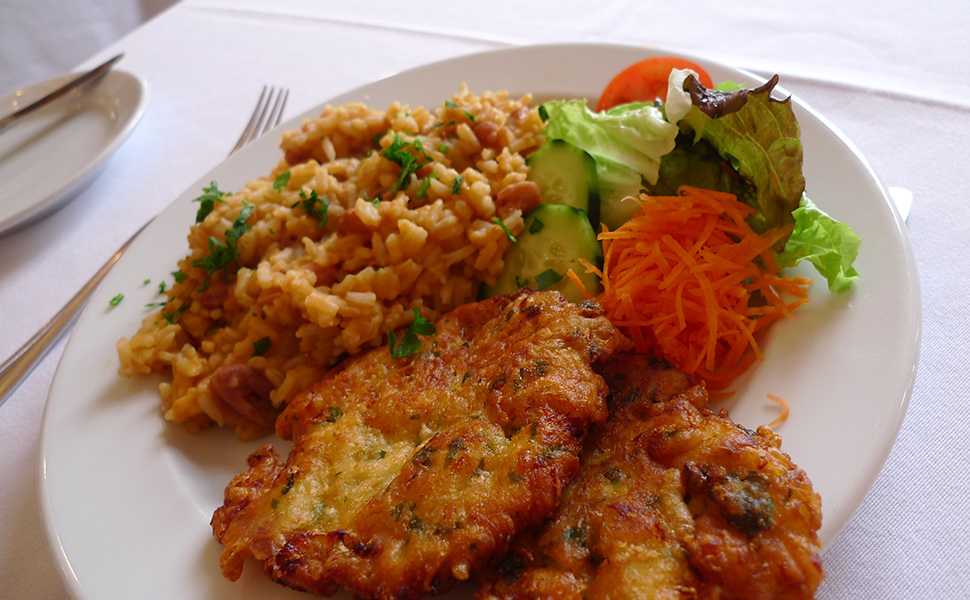
  11. Pataniscas de Bacalhau – Cod fritters.

The diversity of bacalhau dishes showcases its adaptability and the deeply ingrained place it holds in Portuguese culinary traditions.

If you’re ever in Portugal, be sure to try bacalhau in a traditional restaurant. The best spots will be filled with locals enjoying this iconic dish. Don’t miss the chance to immerse yourself in this delicious part of Portuguese culture!

#Useful_Tips #Portugal_Unplugged
Santarém: Portugal’s Gothic Gem and Gateway to Ribatejo

Located in the heart of Portugal, Santarém is a gem steeped in history, culture, and gastronomy. Known as the Gothic Capital of Portugal, the city is a must-visit destination for lovers of medieval architecture and rich local traditions.

Architectural Highlights

Santarém is home to a wealth of Gothic architecture:

  • Igreja da Graça: Famous for its elegant façade and the tomb of Pedro Álvares Cabral, the navigator who discovered Brazil.
  • Igreja de São João and Igreja de São Francisco: Stunning examples of Gothic art and design.
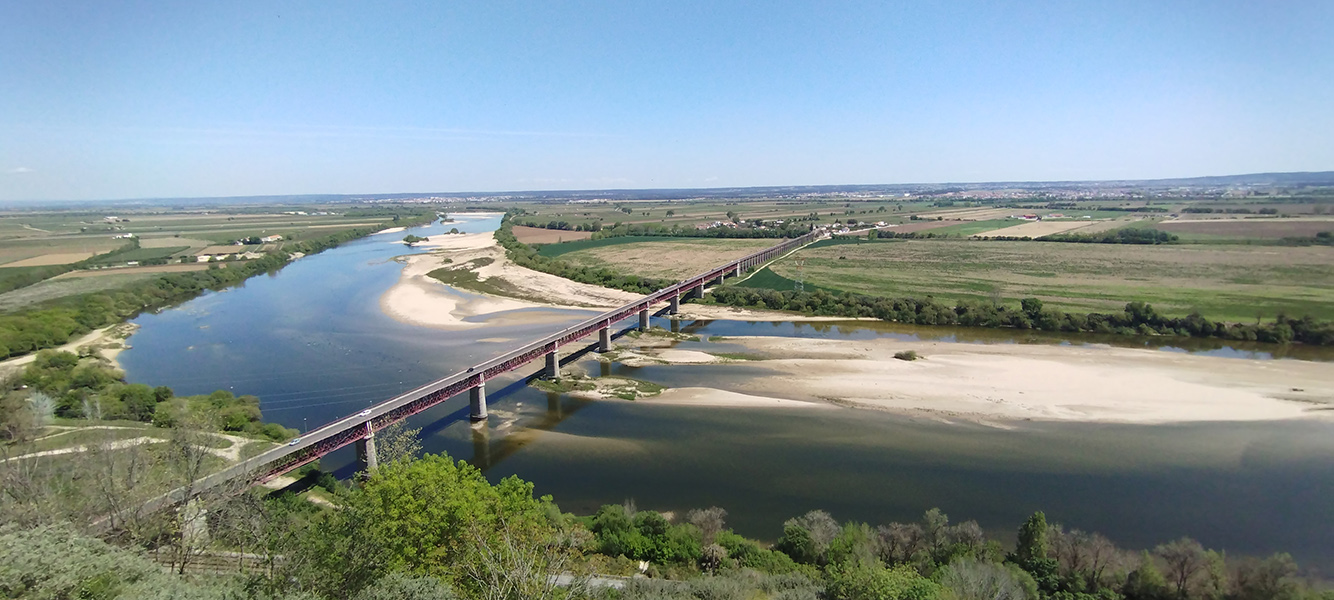
  • Portas do Sol: A medieval fortification with breathtaking views of the Tagus River and the surrounding Ribatejo countryside. These walls, part of the Knights Templar’s defensive line, offer a glimpse into Portugal’s history during the Reconquista.

Rural Traditions and Events

As the capital of Ribatejo, Santarém is deeply connected to horses, bullfighting, and farming. Highlights include:

  • The National Agricultural Fair: A celebration of the region’s farming heritage, attracting visitors from across Portugal and beyond.
  • The Gastronomic National Festival, where you can indulge in local culinary delights.

Local Flavors

Santarém is a paradise for food lovers. Don’t miss:

  • Pampilhos: Sweet treats made with puff pastry and cinnamon filling.
  • Arrepiados: Almond cookies with a unique texture and flavor.

Education and Innovation

The city houses the Escola Superior Agrária, a prominent agricultural university that fosters research and innovation in farming and environmental studies, strengthening the region’s rural traditions.

Gateway to Nearby Wonders

Santarém also serves as an excellent base to explore nearby areas, including:

  • Almeirim, famous for its sopa da pedra (stone soup).
  • The Avieiras villages, charming riverside communities.
  • Golegã, renowned for its equestrian culture.
  • Chamusca, a quiet countryside retreat.

Plan Your Visit

Santarém offers a unique blend of history, tradition, and modernity, making it a versatile destination. Whether you’re drawn by its stunning architecture, local gastronomy, or cultural festivals, this city promises an unforgettable experience.

For nearby attractions, check out:

#Useful_Tips #Portugal_Unplugged
Tiles Beyond Tradition: Unearthing Portugal’s Ceramic Advertising Art

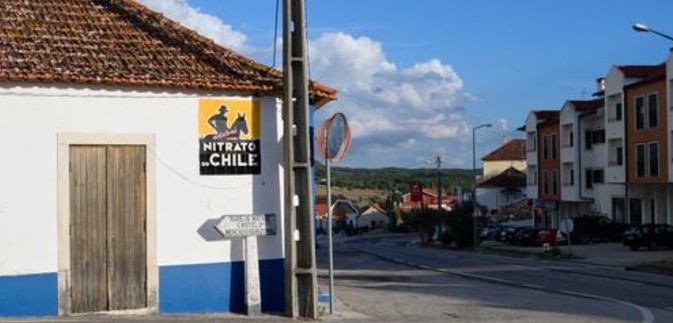
Portugal’s famous azulejos are celebrated for their intricate designs, vivid colors, and the stories they tell on church walls, palaces, and public spaces. But there’s a lesser-known chapter in this rich tradition: ceramic advertising panels. These artworks go beyond aesthetics, capturing a bygone era when businesses turned to tiles to convey their messages with durability and flair.

A Historical Perspective

In the late 19th and early 20th centuries, ceramic tiles became an innovative medium for advertising. Their resilience to weather and time made them perfect for promoting products, businesses, and services in public spaces. From train stations to shop facades, these advertising panels were not just practical; they were also a testament to the artistic creativity of their time.

These panels often featured intricate designs, bold typography, and vibrant imagery to catch the eye of passersby. Beyond mere commerce, they reflected societal trends, local businesses’ stories, and the artistic zeitgeist of their era.

Preserving a Unique Legacy

Today, these tiles stand as cultural artifacts, quietly scattered across Portugal’s urban and rural landscapes. Projects like Azulejo Publicitário are dedicated to cataloging, preserving, and celebrating this unique art form, ensuring it remains a cherished part of Portugal’s cultural identity.

How to Participate in the Journey

As you explore Portugal, keep an eye out for these hidden gems. They could be tucked away on a building wall or decorating a corner of a town square. Every panel you discover tells a story of its time—a snapshot of a past era.

If you come across one, take a photo and share it with initiatives like Azulejo Publicitário. This collective effort not only raises awareness but also contributes to safeguarding these artistic relics for future generations.

More than Just Tiles

These advertising panels are more than promotional artifacts; they are a testament to the marriage of commerce and art, creativity and utility. By seeking out and sharing them, you help keep alive the history and craftsmanship that shaped Portugal’s vibrant visual culture.

For more information and examples, visit Azulejo Publicitário and their Facebook page. Let’s celebrate this unique chapter of Portuguese artistry together!

#Useful_Tips #Portugal_Unplugged
Faces of the Village: A Journey Into the Heart of Rural Portugal

Hidden in the tranquil corners of northern Portugal lies a world that few have experienced—a world of perseverance, rediscovery, and cultural revival. Rostos da Aldeia (Faces of the Village) is a remarkable project dedicated to spotlighting these lesser-known stories and ensuring that rural communities and traditions are not forgotten.

The Dream That Began in Paris

Aline Domingues, born in Paris and trained as a biologist specializing in fermentation, felt the pull of her ancestral roots in the Planalto Mirandês region of Portugal. Inspired by her grandfather’s old vineyards, she embarked on a journey to revive these lands, cultivating wine that celebrates tradition and terroir. Her brand, Menina D’Uva, exclusively uses old vines and traditional grape varieties, farmed organically and fermented naturally.

Finding a Home in Uva

Joining Aline in this rural renaissance is Emanuele, an Italian volunteer who arrived in Portugal through an Erasmus program. Drawn to the village of Uva, he immersed himself in rural heritage, learning to make wine, olive oil, bread, and even cheese. Together, they have breathed life back into this remote community, where for over two decades, no children had been born—until Olmo, Aline’s son, arrived, symbolizing hope and continuity.

Rostos da Aldeia: A Tribute to Rural Resilience

The Rostos da Aldeia project is more than a storytelling platform; it’s a call to action. It brings to light the untold narratives of villages like Uva, where individuals reconnect with forgotten traditions and prove that innovation and heritage can coexist. Through its work, the project fosters a sense of pride in these communities and inspires others to explore and invest in the “other” Portugal.

A Legacy to Cherish

By following projects like Rostos da Aldeia, you not only uncover authentic stories but also contribute to preserving rural Portugal’s essence. Whether it’s tasting a bottle of Menina D’Uva wine, visiting Uva to see its transformation, or simply spreading awareness, every small action helps.

Read more about this inspiring story and explore the village of Uva here.

#Useful_Tips #Portugal_Unplugged
Weaving Time: Preserving the Art of Basketry Through César Pereira’s Craft

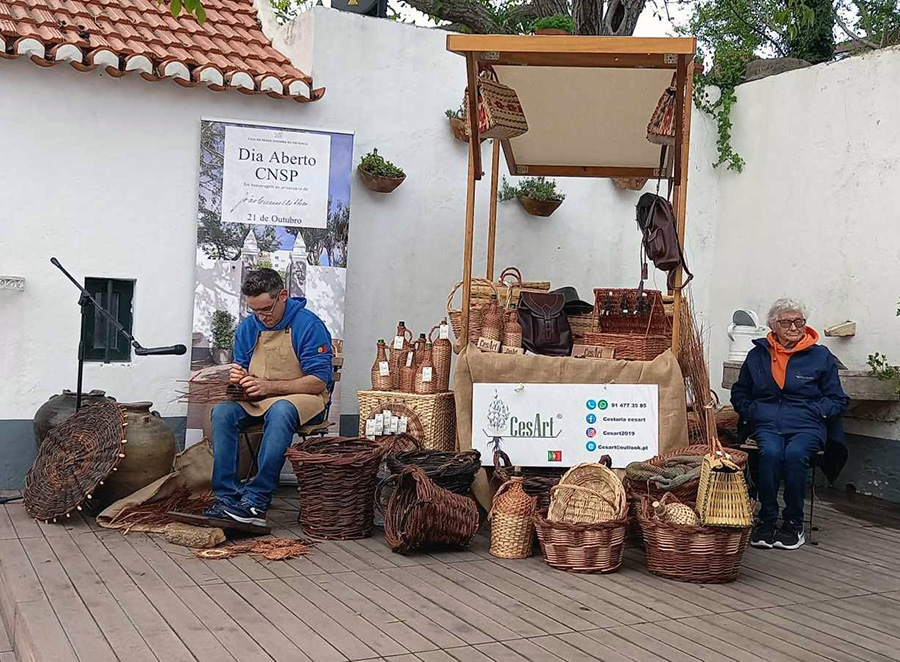
In a world increasingly dominated by mass production, the art of basket weaving stands as a testament to the beauty of tradition and the value of handmade craftsmanship. César Pereira, a young artisan with a deep reverence for this ancient craft, is on a mission to not only master the art but also ensure its survival for future generations.

From Willow to Weave

Basket weaving begins with a humble yet essential resource: willow branches. César’s dedication goes beyond weaving; he cultivates his own raw materials. With his growing willow plantations, César ensures a sustainable supply for his craft and for other artisans who share his passion.

Willow cultivation is no quick endeavor—it demands patience and care, with a cycle of two to three years before the branches are ready for harvesting. César’s plantations include two varieties of red willow:

  • Green willow: Ideal for intricate and delicate designs.
  • Red willow: Known for its cleaner branches, requiring less preparation before weaving.

This meticulous attention to the raw material sets the foundation for the high-quality craftsmanship that defines César’s work.

The Art of Basketry

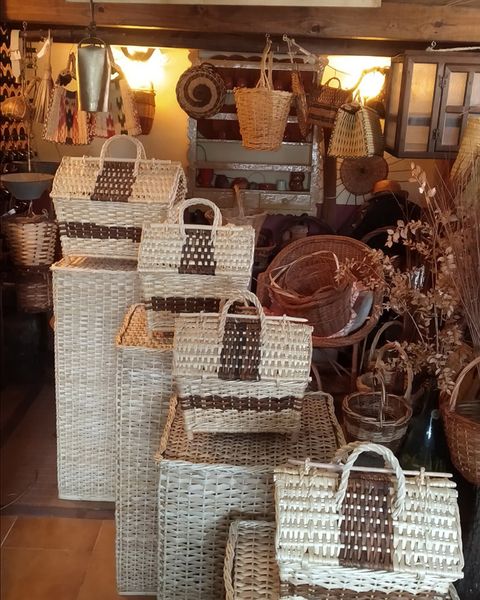
Every basket is a story of tradition, patience, and creativity. César’s process blends age-old techniques with his innovative spirit, showcasing not just functional items but works of art. Each piece reflects the cultural heritage of Portuguese basketry while addressing modern needs for sustainable and eco-friendly products.

Why It Matters

As fewer artisans take up this labor-intensive craft, skills are at risk of being lost forever. César’s work is not just about creating baskets but about preserving an entire cultural legacy. His passion ensures that the intricate techniques and the knowledge of willow cultivation remain alive.

An Invitation to Discover

Through our Traditions Tour, we invite you to witness César’s artistry firsthand. Learn about the weaving process, the patience behind willow cultivation, and the stories that weave through every basket. This immersive experience offers not just insight but also an opportunity to connect with Portugal’s rich cultural tapestry.

Support local artisans like César and become a part of the movement to preserve these invaluable traditions. Together, let’s celebrate the craftsmanship that keeps heritage alive, one basket at a time.

#Useful_Tips #Portugal_Unplugged
Portugal’s Green Gold: The Art of Cork Harvesting

Did you know that Portugal produces over 50% of the world’s cork supply? Cork extraction is a sustainable, centuries-old tradition that continues to play a vital role in Portuguese culture and economy.

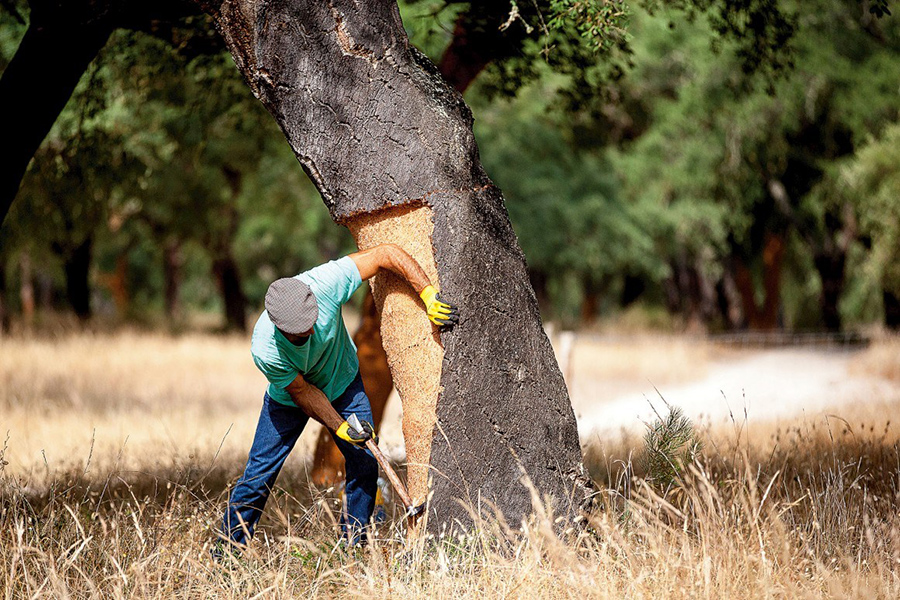
Cork comes from the cork oak tree (Quercus suber), and the process of extracting it is called “descortiçamento”. The cork oak tree is carefully harvested every nine years to allow the bark to regenerate and continue producing high-quality cork. The method is carefully crafted to ensure that the tree remains healthy and productive for many years.

The Process of Cork Harvesting

The cork extraction begins in late spring or early summer, when the bark is thickest. Skilled workers use specialized tools to gently strip the bark from the tree. First, they make a vertical cut and then a horizontal cut, which allows the bark to be peeled off in large sheets. This method prevents damage to the tree, enabling it to keep producing cork in future harvests.

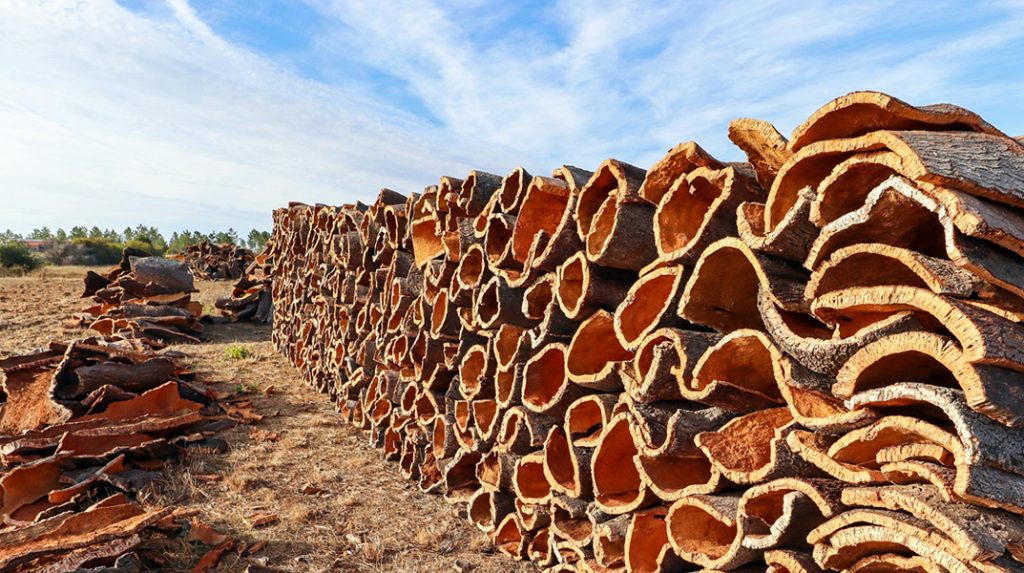
Once the bark is removed, it is left to dry for several months, allowing it to shrink and become more manageable. After drying, the cork is boiled to clean it and soften it for further processing. The cork is then sorted by quality and thickness before being sent to the market.

Sustainability of Cork Extraction

One of the key benefits of cork harvesting is that it is a sustainable practice. Since the cork oak tree is not cut down during the process, it can continue to produce cork for decades, making it a renewable resource. The practice is vital not only to the economy of Portugal but also to the conservation of cork oak forests, which provide a unique ecosystem for wildlife.

Cork Beyond Wine

While cork is widely known for its use in wine stoppers and flooring, it is also a popular material for handcrafted goods. In Portugal, you can find a variety of cork products, such as bags, wallets, hats, and even jewelry. Cork is valued for its lightweight, durable, and water-resistant properties, making it an eco-friendly and cruelty-free alternative to leather.

Experience Cork in Portugal

If you find yourself traveling through Portugal, you might spot a cork-themed roundabout decoration (as is the tradition in some regions). If you do, don’t forget to snap a photo and share it!

For a specific location with cork-themed artwork, check out this Google Maps link.

Next time you use a cork product, take a moment to appreciate the hard work and tradition behind this sustainable and versatile material.

#Useful_Tips #Portugal_Unplugged
A Royal Escape: Discovering Lisbon’s Ajuda Botanical Garden

Tucked away from Lisbon’s bustling streets lies a serene haven brimming with history and natural beauty: the Ajuda Botanical Garden. Established in 1768 as part of the royal Ajuda Palace estate, this verdant gem is Portugal’s oldest botanical garden, offering visitors a glimpse into the past and a tranquil escape in the present.

A Historical Sanctuary

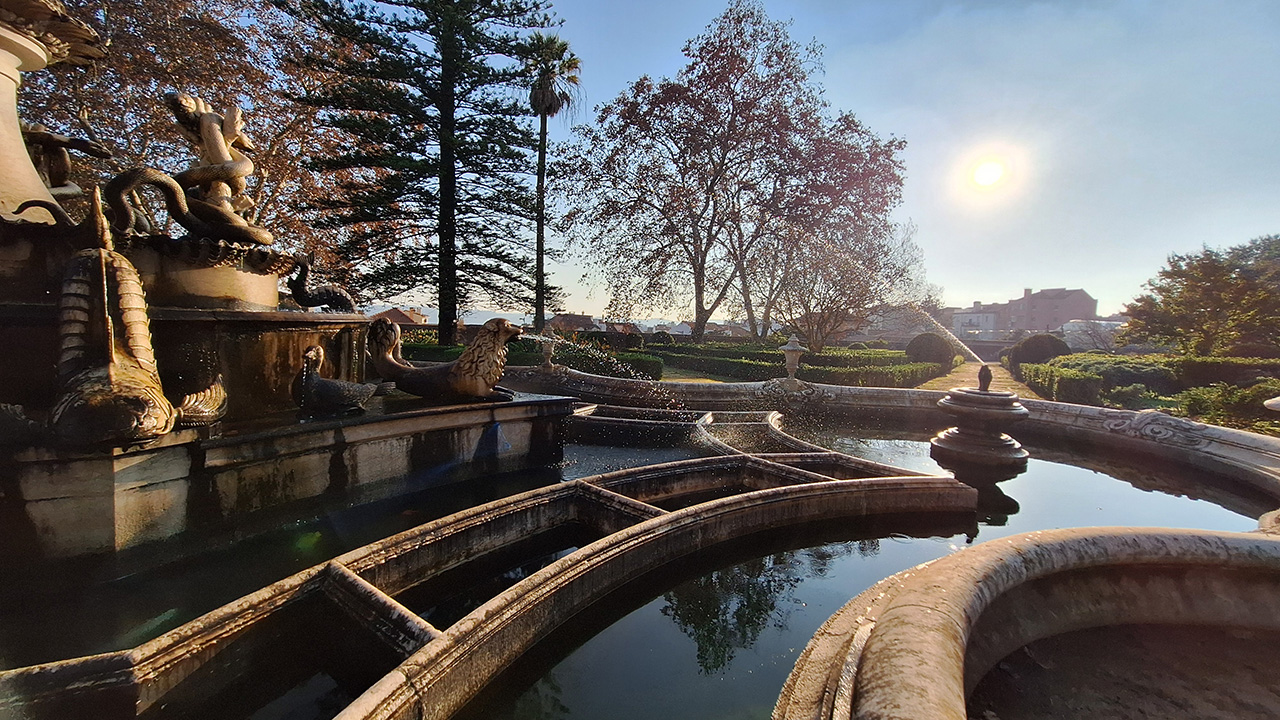
Created after the devastating 1755 earthquake, the Ajuda Botanical Garden was designed as a playground for the royal grandchildren. Its carefully manicured hedges, elegant fountains, and low stone walls retain their regal charm, inviting visitors to wander and relax.

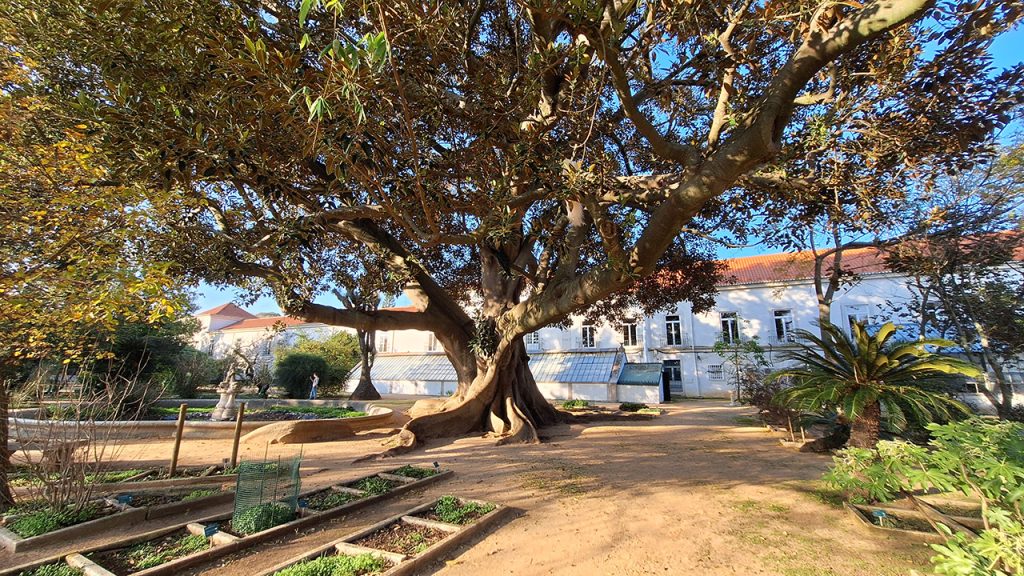
Over the centuries, the garden has become home to diverse plant species, many introduced from Portugal’s former colonies in Brazil, Africa, and Asia. With some trees over 400 years old, the garden preserves a vital link to the country’s natural and colonial heritage.

Peacocks and Panoramas

Beyond its flora, the garden is a refuge for urban wildlife, including its iconic peacocks that add splashes of vibrant color and charm. Perched on a hill, the garden offers breathtaking views of the River Tagus, the 25 de Abril Bridge, and the surrounding Belém area—a feast for the eyes and the soul.

Planning Your Visit

Ajuda Botanical Garden is an easily accessible retreat:

  • Location: A 20-minute walk from the famous Pastéis de Belém bakery or a short bus ride (take the 729 from Jerónimos Monastery).
  • Hours:
    • Winter (Nov 1–Mar 31): 10:00 AM–5:00 PM.
    • Summer weekends (May 1–Sep 30): 9:00 AM–8:00 PM.
    • Closed on December 25 and January 1.
  • Fee: A modest €2 for adults.

Nearby Landmarks

Pair your visit with nearby attractions like the Ajuda National Palace, the Portuguese Equestrian Art School, the Coaches Museum, or the iconic Jerónimos Monastery for a day steeped in culture and history.

Whether you’re a history enthusiast, a nature lover, or simply seeking a peaceful escape, the Ajuda Botanical Garden is an enchanting stop in Lisbon. Have you visited this hidden treasure? Share your thoughts and pictures in the comments below!

#Useful_Tips #Portugal_Unplugged