Archives February 2026

Tiles Beyond Tradition: Unearthing Portugal’s Ceramic Advertising Art

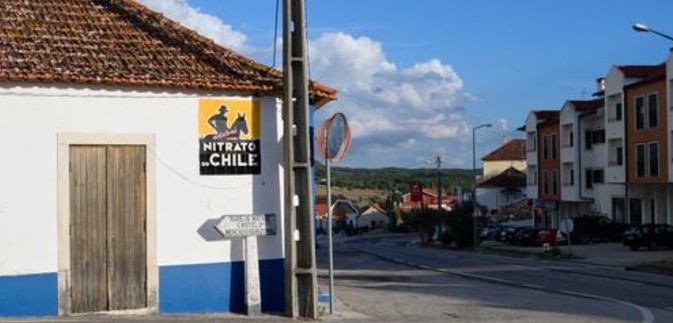
Portugal’s famous azulejos are celebrated for their intricate designs, vivid colors, and the stories they tell on church walls, palaces, and public spaces. But there’s a lesser-known chapter in this rich tradition: ceramic advertising panels. These artworks go beyond aesthetics, capturing a bygone era when businesses turned to tiles to convey their messages with durability and flair.

A Historical Perspective

In the late 19th and early 20th centuries, ceramic tiles became an innovative medium for advertising. Their resilience to weather and time made them perfect for promoting products, businesses, and services in public spaces. From train stations to shop facades, these advertising panels were not just practical; they were also a testament to the artistic creativity of their time.

These panels often featured intricate designs, bold typography, and vibrant imagery to catch the eye of passersby. Beyond mere commerce, they reflected societal trends, local businesses’ stories, and the artistic zeitgeist of their era.

Preserving a Unique Legacy

Today, these tiles stand as cultural artifacts, quietly scattered across Portugal’s urban and rural landscapes. Projects like Azulejo Publicitário are dedicated to cataloging, preserving, and celebrating this unique art form, ensuring it remains a cherished part of Portugal’s cultural identity.

How to Participate in the Journey

As you explore Portugal, keep an eye out for these hidden gems. They could be tucked away on a building wall or decorating a corner of a town square. Every panel you discover tells a story of its time—a snapshot of a past era.

If you come across one, take a photo and share it with initiatives like Azulejo Publicitário. This collective effort not only raises awareness but also contributes to safeguarding these artistic relics for future generations.

More than Just Tiles

These advertising panels are more than promotional artifacts; they are a testament to the marriage of commerce and art, creativity and utility. By seeking out and sharing them, you help keep alive the history and craftsmanship that shaped Portugal’s vibrant visual culture.

For more information and examples, visit Azulejo Publicitário and their Facebook page. Let’s celebrate this unique chapter of Portuguese artistry together!

#Useful_Tips #Portugal_Unplugged
Faces of the Village: A Journey Into the Heart of Rural Portugal

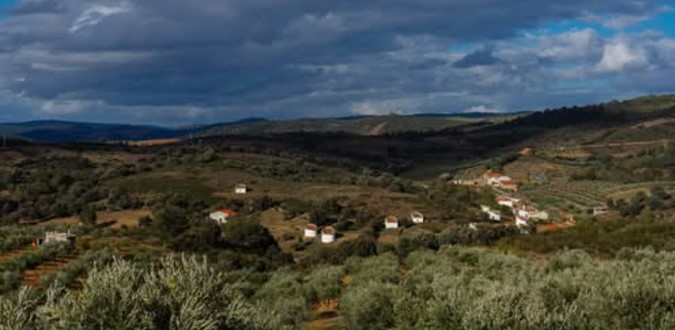
Hidden in the tranquil corners of northern Portugal lies a world that few have experienced—a world of perseverance, rediscovery, and cultural revival. Rostos da Aldeia (Faces of the Village) is a remarkable project dedicated to spotlighting these lesser-known stories and ensuring that rural communities and traditions are not forgotten.

The Dream That Began in Paris

Aline Domingues, born in Paris and trained as a biologist specializing in fermentation, felt the pull of her ancestral roots in the Planalto Mirandês region of Portugal. Inspired by her grandfather’s old vineyards, she embarked on a journey to revive these lands, cultivating wine that celebrates tradition and terroir. Her brand, Menina D’Uva, exclusively uses old vines and traditional grape varieties, farmed organically and fermented naturally.

Finding a Home in Uva

Joining Aline in this rural renaissance is Emanuele, an Italian volunteer who arrived in Portugal through an Erasmus program. Drawn to the village of Uva, he immersed himself in rural heritage, learning to make wine, olive oil, bread, and even cheese. Together, they have breathed life back into this remote community, where for over two decades, no children had been born—until Olmo, Aline’s son, arrived, symbolizing hope and continuity.

Rostos da Aldeia: A Tribute to Rural Resilience

The Rostos da Aldeia project is more than a storytelling platform; it’s a call to action. It brings to light the untold narratives of villages like Uva, where individuals reconnect with forgotten traditions and prove that innovation and heritage can coexist. Through its work, the project fosters a sense of pride in these communities and inspires others to explore and invest in the “other” Portugal.

A Legacy to Cherish

By following projects like Rostos da Aldeia, you not only uncover authentic stories but also contribute to preserving rural Portugal’s essence. Whether it’s tasting a bottle of Menina D’Uva wine, visiting Uva to see its transformation, or simply spreading awareness, every small action helps.

Read more about this inspiring story and explore the village of Uva here.

#Useful_Tips #Portugal_Unplugged

Weaving Time: Preserving the Art of Basketry Through César Pereira’s Craft

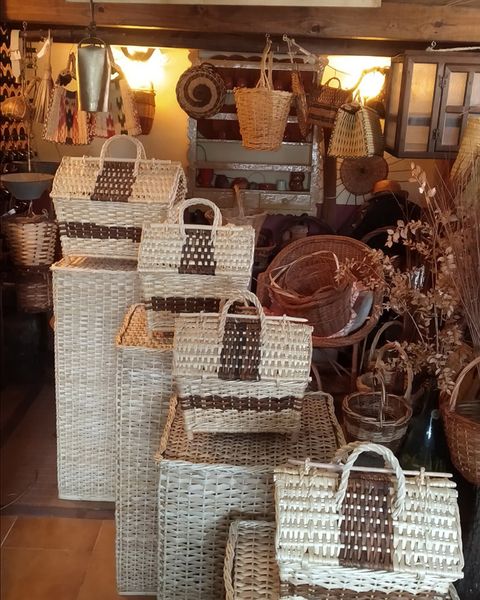
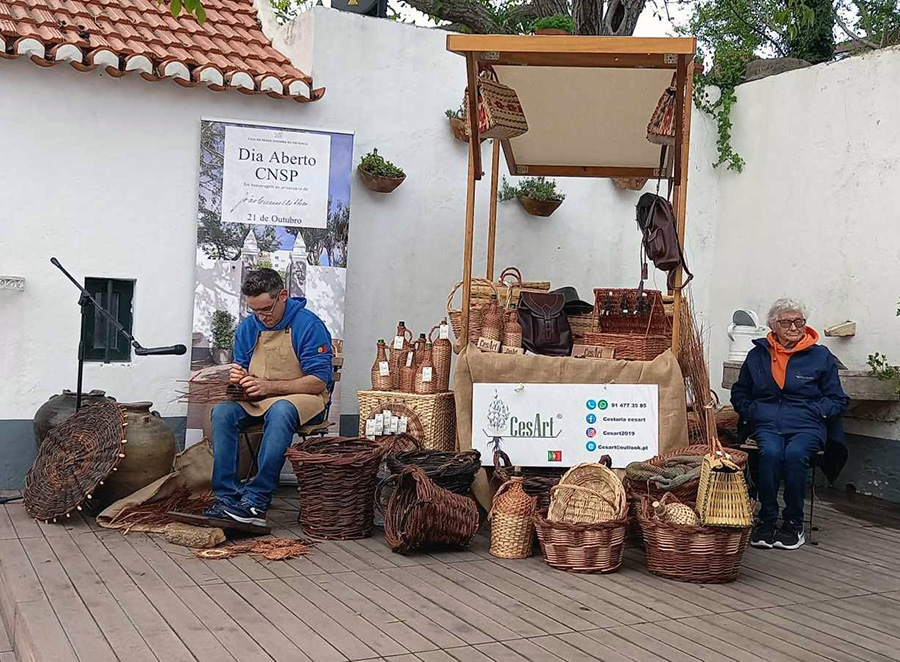
In a world increasingly dominated by mass production, the art of basket weaving stands as a testament to the beauty of tradition and the value of handmade craftsmanship. César Pereira, a young artisan with a deep reverence for this ancient craft, is on a mission to not only master the art but also ensure its survival for future generations.

From Willow to Weave

Basket weaving begins with a humble yet essential resource: willow branches. César’s dedication goes beyond weaving; he cultivates his own raw materials. With his growing willow plantations, César ensures a sustainable supply for his craft and for other artisans who share his passion.

Willow cultivation is no quick endeavor—it demands patience and care, with a cycle of two to three years before the branches are ready for harvesting. César’s plantations include two varieties of red willow:

  • Green willow: Ideal for intricate and delicate designs.
  • Red willow: Known for its cleaner branches, requiring less preparation before weaving.

This meticulous attention to the raw material sets the foundation for the high-quality craftsmanship that defines César’s work.

The Art of Basketry

Every basket is a story of tradition, patience, and creativity. César’s process blends age-old techniques with his innovative spirit, showcasing not just functional items but works of art. Each piece reflects the cultural heritage of Portuguese basketry while addressing modern needs for sustainable and eco-friendly products.

Why It Matters

As fewer artisans take up this labor-intensive craft, skills are at risk of being lost forever. César’s work is not just about creating baskets but about preserving an entire cultural legacy. His passion ensures that the intricate techniques and the knowledge of willow cultivation remain alive.

An Invitation to Discover

Through our Traditions Tour, we invite you to witness César’s artistry firsthand. Learn about the weaving process, the patience behind willow cultivation, and the stories that weave through every basket. This immersive experience offers not just insight but also an opportunity to connect with Portugal’s rich cultural tapestry.

Support local artisans like César and become a part of the movement to preserve these invaluable traditions. Together, let’s celebrate the craftsmanship that keeps heritage alive, one basket at a time.

#Useful_Tips #Portugal_Unplugged

Portugal’s Green Gold: The Art of Cork Harvesting

Did you know that Portugal produces over 50% of the world’s cork supply? Cork extraction is a sustainable, centuries-old tradition that continues to play a vital role in Portuguese culture and economy.

Cork comes from the cork oak tree (Quercus suber), and the process of extracting it is called “descortiçamento”. The cork oak tree is carefully harvested every nine years to allow the bark to regenerate and continue producing high-quality cork. The method is carefully crafted to ensure that the tree remains healthy and productive for many years.

The Process of Cork Harvesting

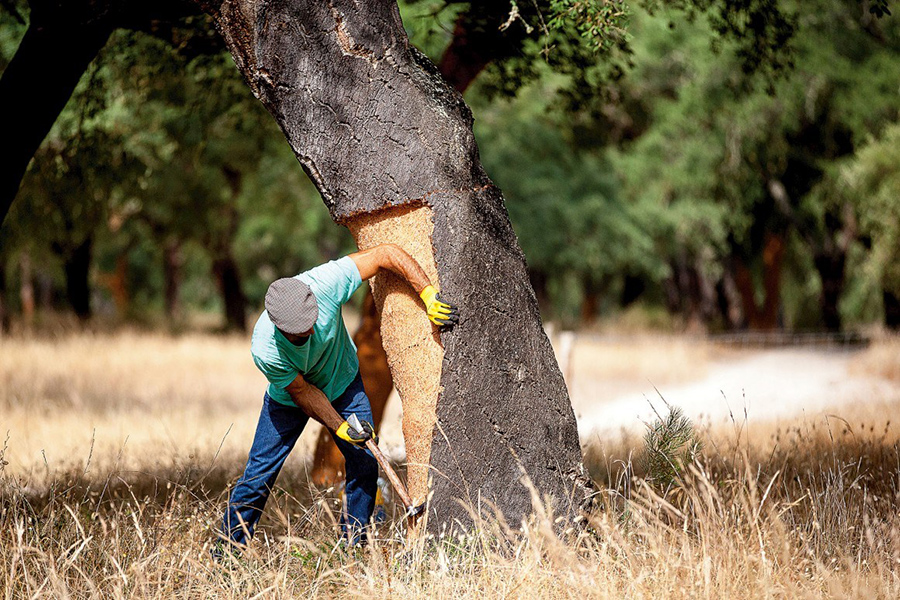
The cork extraction begins in late spring or early summer, when the bark is thickest. Skilled workers use specialized tools to gently strip the bark from the tree. First, they make a vertical cut and then a horizontal cut, which allows the bark to be peeled off in large sheets. This method prevents damage to the tree, enabling it to keep producing cork in future harvests.

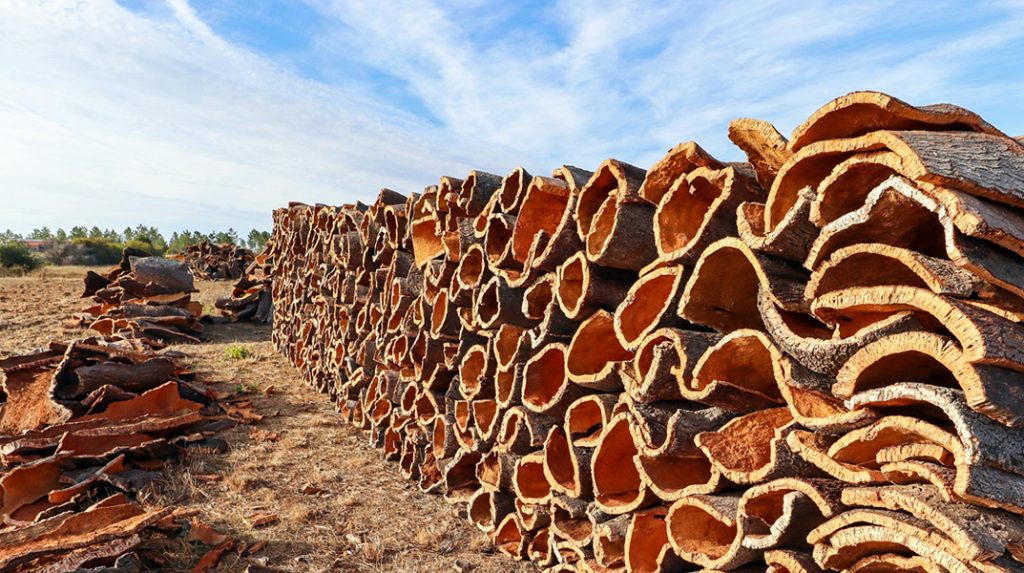
Once the bark is removed, it is left to dry for several months, allowing it to shrink and become more manageable. After drying, the cork is boiled to clean it and soften it for further processing. The cork is then sorted by quality and thickness before being sent to the market.

Sustainability of Cork Extraction

One of the key benefits of cork harvesting is that it is a sustainable practice. Since the cork oak tree is not cut down during the process, it can continue to produce cork for decades, making it a renewable resource. The practice is vital not only to the economy of Portugal but also to the conservation of cork oak forests, which provide a unique ecosystem for wildlife.

Cork Beyond Wine

While cork is widely known for its use in wine stoppers and flooring, it is also a popular material for handcrafted goods. In Portugal, you can find a variety of cork products, such as bags, wallets, hats, and even jewelry. Cork is valued for its lightweight, durable, and water-resistant properties, making it an eco-friendly and cruelty-free alternative to leather.

Experience Cork in Portugal

If you find yourself traveling through Portugal, you might spot a cork-themed roundabout decoration (as is the tradition in some regions). If you do, don’t forget to snap a photo and share it!

For a specific location with cork-themed artwork, check out this Google Maps link.

Next time you use a cork product, take a moment to appreciate the hard work and tradition behind this sustainable and versatile material.

#Useful_Tips #Portugal_Unplugged

A Royal Escape: Discovering Lisbon’s Ajuda Botanical Garden

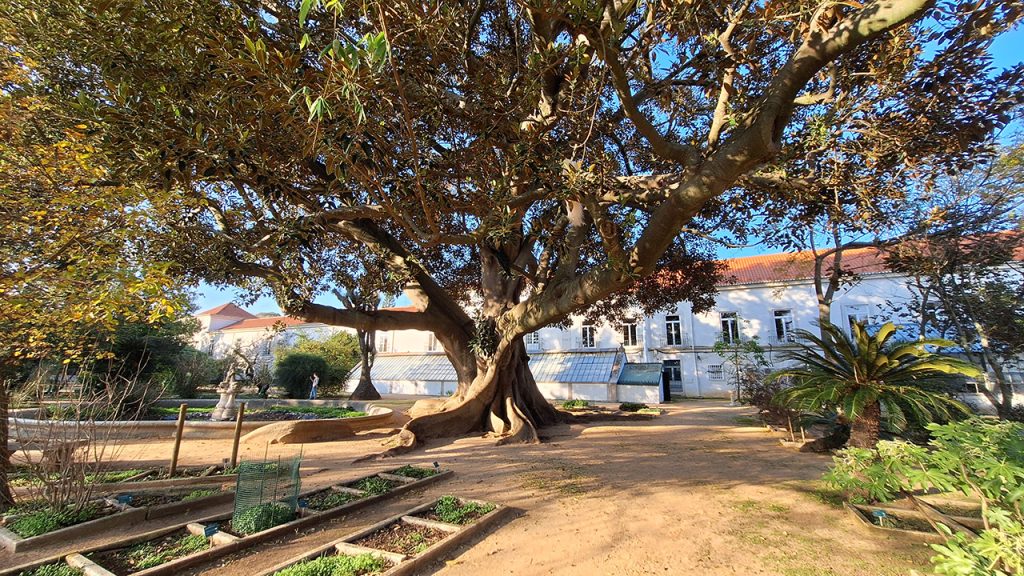
Tucked away from Lisbon’s bustling streets lies a serene haven brimming with history and natural beauty: the Ajuda Botanical Garden. Established in 1768 as part of the royal Ajuda Palace estate, this verdant gem is Portugal’s oldest botanical garden, offering visitors a glimpse into the past and a tranquil escape in the present.

A Historical Sanctuary

Created after the devastating 1755 earthquake, the Ajuda Botanical Garden was designed as a playground for the royal grandchildren. Its carefully manicured hedges, elegant fountains, and low stone walls retain their regal charm, inviting visitors to wander and relax.

Over the centuries, the garden has become home to diverse plant species, many introduced from Portugal’s former colonies in Brazil, Africa, and Asia. With some trees over 400 years old, the garden preserves a vital link to the country’s natural and colonial heritage.

Peacocks and Panoramas

Beyond its flora, the garden is a refuge for urban wildlife, including its iconic peacocks that add splashes of vibrant color and charm. Perched on a hill, the garden offers breathtaking views of the River Tagus, the 25 de Abril Bridge, and the surrounding Belém area—a feast for the eyes and the soul.

Planning Your Visit

Ajuda Botanical Garden is an easily accessible retreat:

  • Location: A 20-minute walk from the famous Pastéis de Belém bakery or a short bus ride (take the 729 from Jerónimos Monastery).
  • Hours:
    • Winter (Nov 1–Mar 31): 10:00 AM–5:00 PM.
    • Summer weekends (May 1–Sep 30): 9:00 AM–8:00 PM.
    • Closed on December 25 and January 1.
  • Fee: A modest €2 for adults.

Nearby Landmarks

Pair your visit with nearby attractions like the Ajuda National Palace, the Portuguese Equestrian Art School, the Coaches Museum, or the iconic Jerónimos Monastery for a day steeped in culture and history.

Whether you’re a history enthusiast, a nature lover, or simply seeking a peaceful escape, the Ajuda Botanical Garden is an enchanting stop in Lisbon. Have you visited this hidden treasure? Share your thoughts and pictures in the comments below!

#Useful_Tips #Portugal_Unplugged
Santa Cruz: A Coastal Escape Close to Lisbon

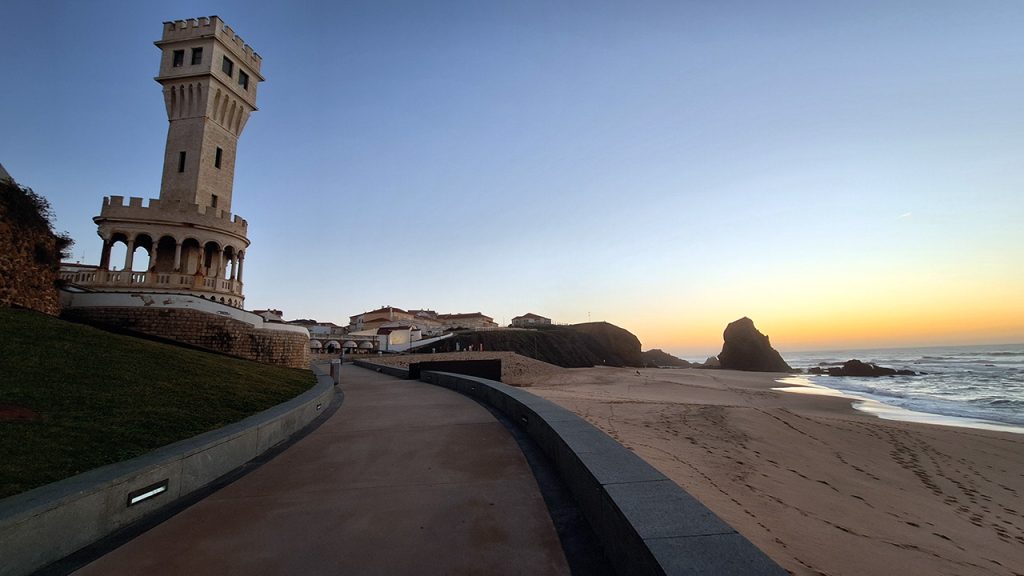
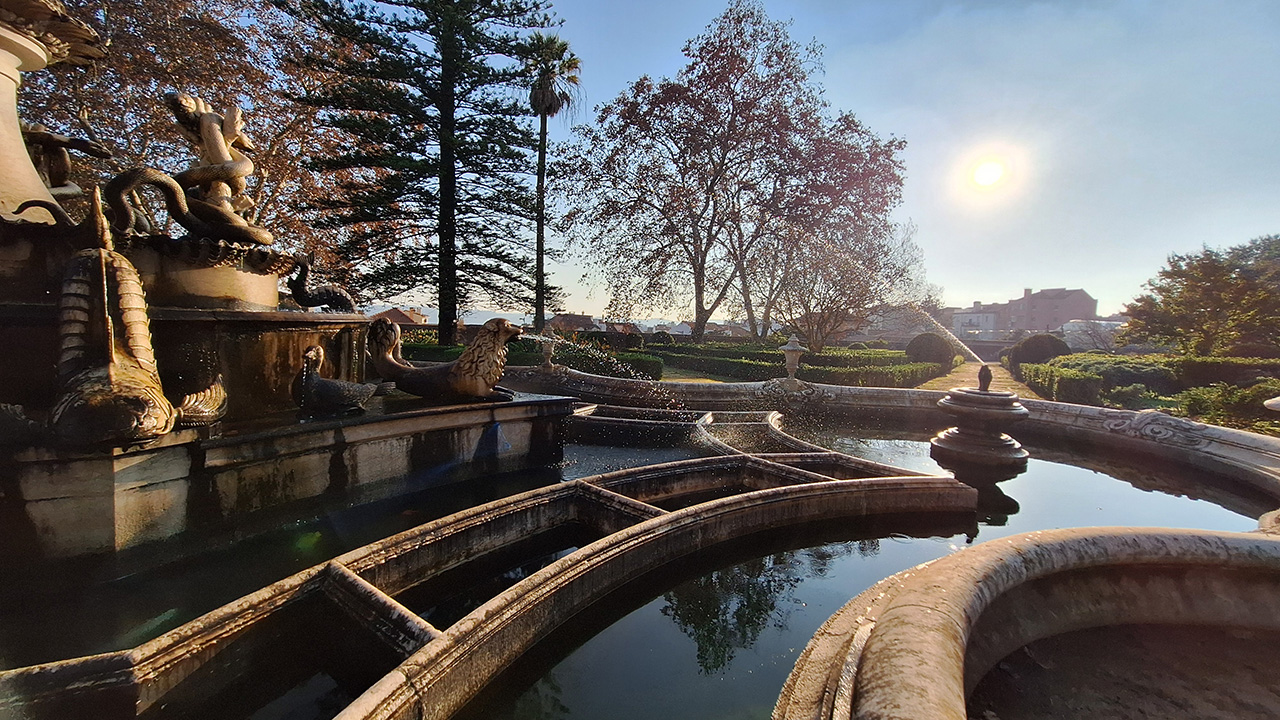
Nestled just an hour away from Lisbon, Praia de Santa Cruz is a captivating yet often overlooked slice of coastal paradise. Unlike the well-trodden beaches of Cascais or the Algarve, this hidden gem offers a more intimate connection with the Atlantic Ocean and the unspoiled beauty of Portugal’s coast.

A Beach for All Seasons

Santa Cruz transforms with the seasons. In summer, the area comes alive with vibrant energy, hosting lively festivals, buzzing nightlife, and sun-seekers enjoying the golden sands. Winter, however, unveils its quieter side, perfect for those seeking solitude. The winter sun casts a golden hue over the dramatic cliffs, and the crisp Atlantic breeze refreshes both body and mind.

Why Santa Cruz is Special

Santa Cruz has a way of leaving a mark on visitors. Its timeless charm and natural beauty resonate deeply, making every visit feel like a homecoming. Whether you’re reminiscing about youthful adventures or creating new memories, this beach is a perfect retreat to recharge and rediscover your inner calm.

What Makes It Unique?

Santa Cruz remains untouched by mass tourism. Its hidden-gem status ensures a serene environment where you can truly unplug. Explore dramatic rock formations, take a leisurely walk along the cliffs, or simply bask in the peaceful rhythm of the waves.

Getting There

Praia de Santa Cruz is conveniently located just an hour’s drive from Lisbon, making it an ideal day trip or weekend getaway. It’s a chance to experience an authentic and less commercialized side of Portugal.


Santa Cruz is more than a beach; it’s a feeling—a reminder to slow down, breathe deeply, and enjoy the beauty around us. Have you discovered your special place like this? Share your favorite hidden gem or your experiences at Santa Cruz in the comments below!

#Useful_Tips #Portugal_Unplugged
The Ultimate Guide to Planning Your Trip to Portugal

Planning a trip to Portugal and getting stuck? From choosing when to visit to reserving tours and accommodations, organizing your trip can be daunting. Fear not! We’ve broken it down into simple, actionable steps so that planning your trip to Portugal is a piece of cake.

Step 1: Decide When to Visit Portugal

Portugal is a year-round destination, but the best time to visit depends on your travel type:

  • Spring (March-May) – Nice weather, fewer tourists, perfect for sightseeing.
  • Summer (June-August) – Hot, party time, perfect for beach lovers.
  • Fall (September-November) – Fewer tourists, perfect wine harvest season.
  • Winter (December-February) – Pleasant climate, perfect for cultural tours and fewer tourists.

Pick a month that best fits your interests and calendar.

Step 2: Determine the Length of Your Vacation

How long do you have? Most of the well-balanced Portugal vacations will be between 7-14 days in duration, meaning that you are able to find cities like Lisbon, Porto, Sintra, and the Algarve at a reasonable rate. It is feasible to visit for shorter durations covering one or two main areas.

Step 3: Plan a General Itinerary

Don’t make any bookings yet, but make a rough plan to schedule your arrival and departure points. Consider:

  • Where you want to go (Lisbon, Porto, Douro Valley, Algarve, etc.).
  • Extra days in each place.
  • What you care most about (food, history, beaches, nature, etc.).

Step 4: Book Your Flights

Airfare fluctuates, so the sooner you book, the more you’ll save. Look for flights to Lisbon (LIS) or Porto (OPO), Portugal’s two primary international airports. Being flexible and altering your travel dates by a day or two will also lower your ticket cost!

Step 5: Choose Your Mode of Transportation

Decide how you’ll get around Portugal:

  • Rental Car – Ideal for exploring off-the-beaten-path locations like the Algarve, Alentejo, or Douro Valley.
  • Public Transport – Trains and buses are great for city-to-city travel (Lisbon to Porto, for example).
  • Private Transfers – Convenient and stress-free for a personalized experience.

Step 6: Finalize Your Itinerary

Your flights are booked and you’ve organized how you’ll get around. Now put your itinerary in stone:

  • Put the cities you’ll go to and how long you’ll stay in each in concrete terms.
  • Choose the order of your destinations to avoid pointless backtracking.

Step 7: Book Your Accommodation

To be on the safe side, we recommend hotels with refund policies. You can cancel if you need to. Some of the top recommendations are:

  • Boutique hotels in Lisbon and Porto for an old-world feel.
  • Beach resorts in the Algarve for relaxation.
  • Vineyard retreats in Douro Valley for a winery getaway.
  • Historic Pousadas (reconverted monasteries and castles) for an elite ambiance.

Step 8: Reserve Tours & Activities Early

Best guided tours and activities book out 3+ months prior to peak season. Consider:

  • Private tours of Sintra, Porto, or Douro Valley.
  • Wine tastings at local vineyards.
  • Lisbon food tours for trying Pastel de Nata, Bacalhau, and more!
  • Day tours to historic sites like Óbidos and Évora.

Step 9: Buy Train Tickets (if Necessary)

Portugal’s major route train tickets (e.g., Porto to Lisbon) cannot be booked in advance more than 60 days. If going by train, put a note to get your tickets early so you get the cheapest fare!

Step 10: Reserve Restaurant Tables & Buy Attraction Tickets

If you have restaurants that you need to visit, reserve tables weeks in advance. Popular sites like Jerónimos Monastery, Pena Palace, and Livraria Lello in Porto also fill up quickly, so it’s a good idea to pre-book tickets to save you time and stress.

Bonus Tip: Need Planning Assistance?

Planning a trip to Portugal doesn’t have to be daunting. Want professional assistance in creating your ideal itinerary? Look at our customized tours or get in touch and ask for recommendations!

Start Planning Your Dream Portugal Trip Today!

With this step-by-step guide, you’re well on your way to experiencing the best of Portugal. Need travel inspiration? Follow us on Instagram, Facebook, and Youtube for insider tips, stunning travel photos, and exclusive deals!

#Useful_Tips #Portugal_Unplugged #PortugalTravel #VisitPortugal #PortugalItinerary #TravelTips #ExplorePortugal #Lisbon #Porto #DouroValley #Algarve #Sintra #EuropeTravel