Blog

A Free Journey Through History: The Archaeological Museum of Odrinhas

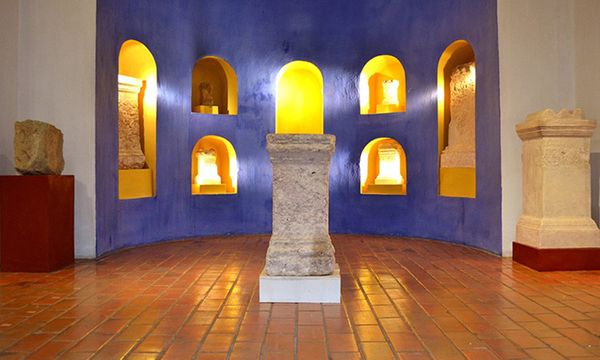
For those exploring the picturesque town of Sintra, there’s a hidden gem that’s well worth your time—and it’s completely free! Nestled in the town of Odrinhas, just 12 km north of Sintra, the Museu Arqueológico de São Miguel de Odrinhas offers a fascinating glimpse into the region’s rich history.

A Remarkable Collection

This archaeological museum boasts an impressive collection of stone artifacts, many of which were uncovered through local excavations or donated by residents. The majority of the collection spans several historical periods, from the Etruscan tombs to Roman funerary inscriptions and even medieval stones. The artifacts on display range from road markers to stones used for everyday purposes—some repurposed over the years, like being turned into cattle feeders or even storage bins.

An Unconventional History

Some of the most captivating pieces in the museum have surprising backstories. While many were found during archaeological digs, others have been discovered in more unexpected ways, such as being reused for other functions over time. This blend of discovery and repurposing adds an extra layer of intrigue to the museum’s offerings.

Visit the Museum

Whether you are a history buff or simply curious about Sintra’s past, the Museu Arqueológico de São Miguel de Odrinhas provides an enriching experience for all. The museum is open Tuesday to Saturday, and the best part—it’s free to visit! Don’t miss the opportunity to explore the deep history of this enchanting region and witness firsthand the artifacts that tell the story of those who lived there long ago.

Plan Your Visit

If you’re heading to Sintra, make sure to carve out some time to explore this hidden historical treasure. It’s an unforgettable experience that offers a unique look at the culture and history of Sintra and the surrounding areas.

For more details about visiting the Museu Arqueológico de São Miguel de Odrinhas, check out the museum’s official website:

Raízes Históricas e Conceito Museológico – Museu Arqueologico de Odrinhas

#Useful_Tips #Portugal_Unplugged
Portuguese Landmarks: Cristo Rei

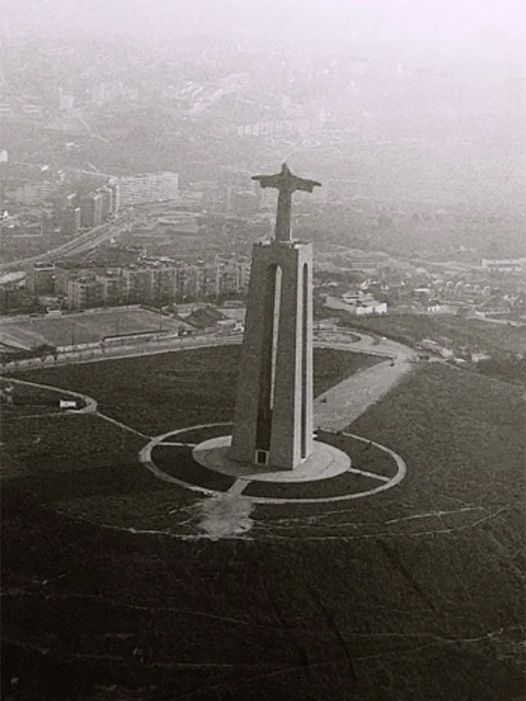
On May 17th, 1959, a monumental symbol was unveiled in Lisbon—the Cristo Rei statue, standing proudly at 110 meters (360 feet). Inspired by the world-renowned Christ the Redeemer in Rio de Janeiro, this statue has become one of Portugal’s most iconic landmarks, gracing the skyline of Lisbon with its imposing figure.

A Vision Brought to Life

The idea for Cristo Rei dates back to the 1930s when a Portuguese bishop, inspired by the message of peace and faith conveyed by the Christ the Redeemer statue, envisioned a similar monument in Portugal. The construction began in 1949 and, after several years of work, the statue was completed and inaugurated in 1959.

A Symbol of Faith and Heritage

Cristo Rei isn’t just a remarkable feat of engineering; it represents the unwavering faith of the Portuguese people and stands as a symbol of spiritual devotion. Its towering presence overlooks the city of Lisbon and the Tagus River, offering a serene sense of peace to all who visit. Over the years, Cristo Rei has become a prominent pilgrimage site, attracting visitors from across the globe, not only for its religious significance but also for the breathtaking views it provides.

Panoramic Views

From the base of Cristo Rei, visitors can ascend to the top of the monument and enjoy sweeping views of Lisbon, the Tagus River, and the surrounding landscapes. This panorama is truly awe-inspiring, offering a unique perspective of the city that blends natural beauty with architectural marvels.

A Must-Visit Landmark

Today, Cristo Rei stands as a testament to Portugal’s rich history and religious heritage. It has grown into a major tourist attraction, welcoming thousands of visitors each year who come to admire the statue, reflect on its symbolism, and take in the magnificent views.

Share Your Experience

If you’ve had the chance to visit Cristo Rei, we would love to hear about your experience. What did the view feel like? How did the monument make you feel? Share your thoughts and cherished memories of this magnificent landmark in the comments below!

Have you visited Cristo Rei yet? Don’t miss the chance to stand beneath this towering symbol and experience the beauty and serenity it offers.

#Useful_Tips #Portugal_Unplugged


If you want this as a day out
I run private and small-group days in 100% electric vehicles. Related option:

Arrábida / south of Tagus – custom private day – check dates on the site.

Portuguese Traditions: The Art of Calçada Portuguesa

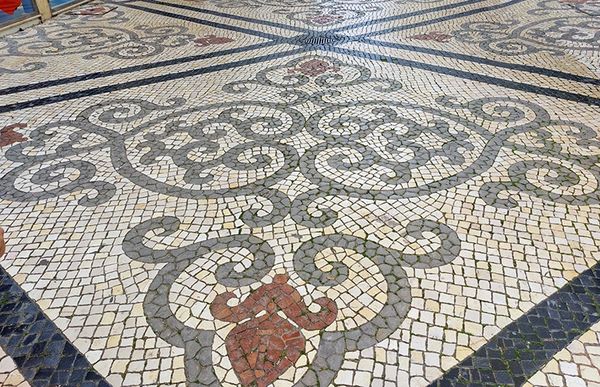
Calçada Portuguesa, a traditional Portuguese pavement style made of small, flat stones arranged into intricate patterns, is an iconic feature of Portugal’s public spaces. Often seen as both a visual delight and a challenge for pedestrians, these beautifully crafted mosaics can be found in many cities across Portugal, adding charm to streets, squares, and walkways.

A Rich History

The origins of Calçada Portuguesa trace back to ancient Roman mosaic techniques, but the art form evolved over centuries, heavily influenced by various artistic styles and cultural traditions. By the 19th century, Calçada Portuguesa became especially popular, gracing the streets of Lisbon and other cities in Portugal. The pavements are typically created with limestone, basalt, and other local stones, giving them a striking contrast of light and dark tones.

The Craft of the Calceteiros

Creating Calçada Portuguesa requires a significant amount of skill, and the artisans who specialize in this craft are known as Calceteiros. These craftsmen lay each stone individually, by hand, with precision and care to ensure that the patterns are geometric and visually stunning. The designs are often inspired by nature, architecture, or historical elements, and can be found in diverse locations, from urban plazas to quiet streets.

The work of the Calceteiros is more than just a craft—it’s an art form. These artisans collaborate with architects and urban planners to bring these vibrant mosaics to life, contributing to the aesthetic appeal of public spaces across the country.

Practical Tips for Navigating Calçada Portuguesa

While these mosaics are undeniably beautiful, they can also pose a challenge for pedestrians. Calçada Portuguesa is often uneven, and the stones can be slippery when wet. If you’re planning to explore the streets lined with these mosaics, here are a few tips to ensure a safe and enjoyable experience:

  • Wear comfortable shoes: Ideally, opt for flat shoes with good grip to avoid slipping.
  • Take your time: There’s no need to rush. Slow down and appreciate the intricate designs beneath your feet.
  • Be cautious on wet surfaces: When it rains, the stones can become slippery. Watch your step, and hold onto nearby railings or walls if necessary.

A Global Influence

Though deeply rooted in Portugal’s culture, the influence of Calçada Portuguesa has spread internationally. In recent years, cities worldwide have embraced the traditional mosaic style, offering their own interpretations and adaptations. For example, you can now find QR codes embedded in the designs, or streets featuring local pottery, ceramic collections, and even artistic collaborations with brands like Vista Alegre.

A Photographic Delight

The beauty of Calçada Portuguesa is undeniable, and it’s the perfect subject for photography. From the vibrant colors to the geometric precision, each pavement tells its own story. Don’t forget to bring your camera along to capture these unique masterpieces, and share your #CalçadaPortuguesa moments with us. Let’s celebrate the artistic treasures of Portugal together!

Whether you’re walking through Lisbon, Porto, or any other Portuguese city, make sure to take the time to admire the craftsmanship of the Calçada Portuguesa—a beautiful and historic tradition that brings life to Portugal’s streets.


For more information on the history and artistry of Calçada Portuguesa, check out the official resources and local guides.

#Useful_Tips #Portugal_Unplugged

If you want this as a day out
I run private and small-group days in 100% electric vehicles. Related option:

Weekly market & traditions day – check dates on the site.

Discover Cabo Espichel: A Hidden Gem Near Lisbon

Looking for a getaway that combines stunning views, rich history, and fascinating legends? Cabo Espichel, located just outside Lisbon, is a lesser-known gem that offers all of this and more. This captivating cape, tucked along Portugal’s coastline, is the perfect destination for nature lovers, history buffs, and spiritual seekers alike.

A Natural Marvel

One of the main reasons to visit Cabo Espichel is its breathtaking natural beauty. The 134-meter cliffs provide dramatic ocean views, where you can admire the vast Atlantic stretching endlessly before you. These cliffs, however, are not just scenic—they also hold traces of a prehistoric past. Visitors can find some of the best-preserved dinosaur footprints in Portugal, scattered across the cliffs. These footprints, dating back 150 million years, provide a glimpse into the distant past, with two notable sites—Pedra da Mua and Lagosteiros—each showcasing footprints left by ancient creatures like theropods and ornithopods.

The Pedra da Mua prints are traditionally linked to the 14th-century apparition of the Virgin Mary, making this a place where natural and spiritual history intertwine. A designated footpath leads visitors to these prints, though the final stretch can be a bit tricky.

The Sanctuary of Our Lady of Cape Espichel

Cabo Espichel is also home to the Sanctuary of Our Lady of Cape Espichel, a religious site of great historical and spiritual significance. The sanctuary includes several key structures, including a church, pilgrims’ lodges, and the Ermida da Memória, which commemorates the apparition of the Virgin Mary in 1410. According to legend, the Virgin Mary appeared at this site, sparking the formation of the cult of Nossa Senhora do Cabo Espichel.

The church, built in the early 18th century, features a Baroque exterior and a richly decorated interior, with an astonishing painted ceiling. Outside the church, the Casas dos Círios—two symmetrical wings—were built to accommodate pilgrims who flocked to this site seeking protection from natural disasters.

Cabo Espichel’s Historical and Cultural Heritage

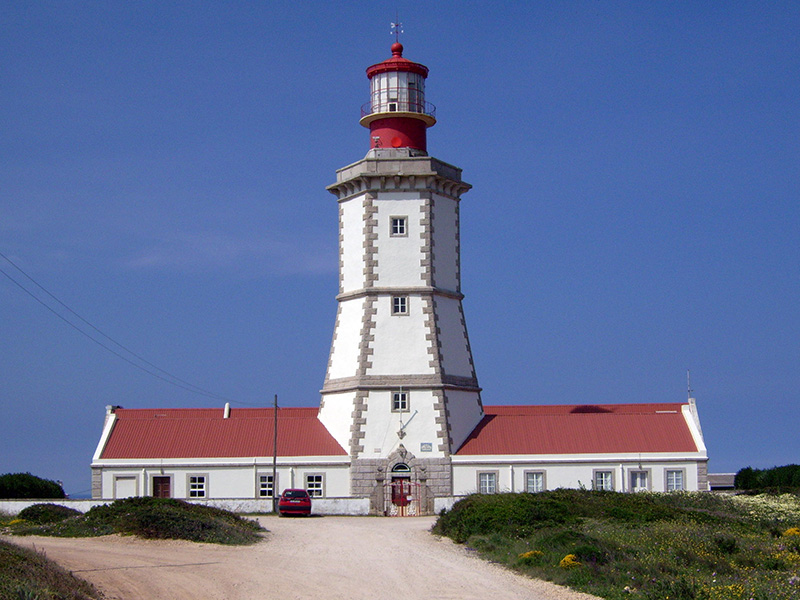
Besides its religious importance, the area has deep historical roots. The Farol do Cabo Espichel, built in 1790, is one of the six lighthouses constructed after the devastating 1755 earthquake. The lighthouse is still operational today, guiding ships through the rough seas off the coast.

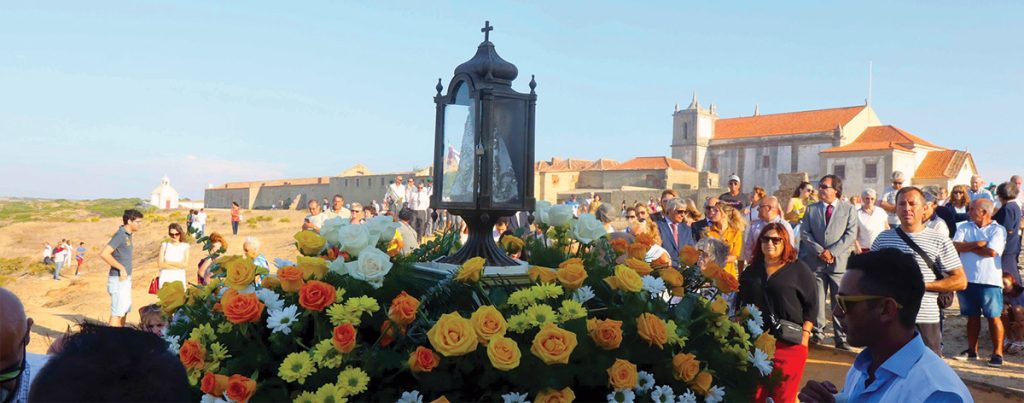
Cabo Espichel has also long been a site for pilgrimage, dating back to the 14th century. The Festas da Senhora do Cabo Espichel, or the Festival of Our Lady of Cabo Espichel, is a traditional religious event that takes place each year in late September. The festival includes not only the pilgrimage to the sanctuary but also cultural activities such as folk music, dance performances, and local food stalls. Historically, the festival was a collective pilgrimage meant to protect communities from agricultural calamities or plagues, with the tradition passed down through generations.

Although the festival’s religious significance has shifted over time, it continues to attract hundreds of pilgrims each year, offering a unique opportunity for spiritual reflection in one of Portugal’s most iconic locations.

Why Visit Cabo Espichel?

Cabo Espichel is a place where nature, history, and spirituality converge. Whether you’re visiting to marvel at the stunning views, explore ancient dinosaur footprints, or immerse yourself in the rich cultural heritage, there’s something for everyone.

The serene atmosphere and profound sense of history make Cabo Espichel a perfect getaway from the hustle and bustle of Lisbon. So, if you’re looking for a day trip or a peaceful retreat to reflect on the past and present, Cabo Espichel is a destination you won’t want to miss.

#Useful_Tips #Portugal_Unplugged

If you want this as a day out
I run private and small-group days in 100% electric vehicles. Related option:

Arrábida area / Cabo Espichel – custom private day – check dates on the site.

Discovering Almeirim and the Story of Sopa da Pedra

If you’re a food lover looking to delve into Portugal’s rich culinary heritage, Almeirim is a destination you won’t want to miss—especially if you’re in search of the famous Sopa da Pedra.

The Legend of Sopa da Pedra

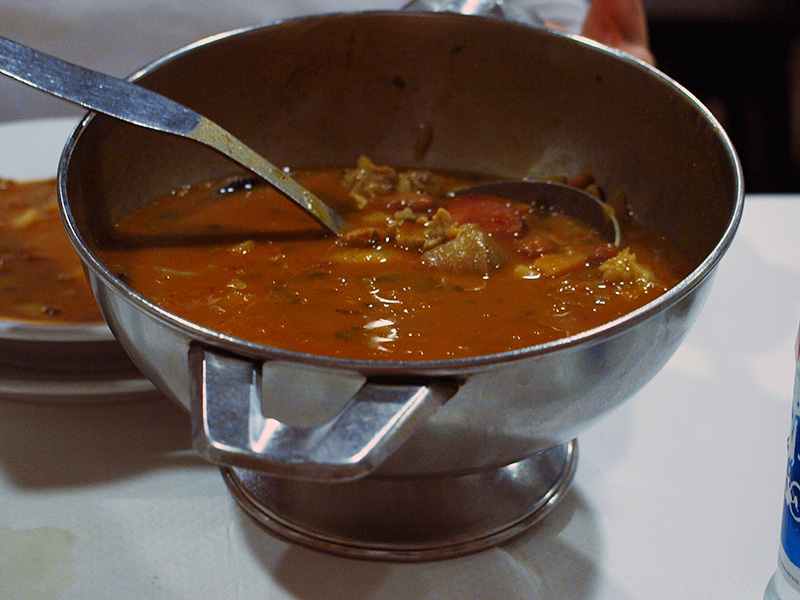
Sopa da Pedra, or “Stone Soup,” has become one of the most iconic traditional dishes in Portugal, with deep roots in the town of Almeirim. According to legend, a monk once arrived in a village asking for food, but the villagers refused to offer him anything. Undeterred, the monk decided to make a soup using only a stone and water. As the villagers became curious about his actions, they began to offer him ingredients like vegetables, meats, and beans. The result? A delicious, hearty soup shared by all. When asked how he would eat the stone, the monk famously replied, “This stone? I will keep it and make another soup tomorrow somewhere else!”

The story has endured for centuries, and Sopa da Pedra has become both a cultural and gastronomic symbol of Almeirim and the Ribatejo region. Today, the recipe may not include an actual stone, but it still features a combination of beans, potatoes, carrots, onions, garlic, tomatoes, and a variety of meats such as chicken, beef, and chorizo. The stone, which once played a part in the soup’s preparation, has now been replaced due to health regulations, but the tradition remains strong.

Almeirim: The Capital of Soup

Because of its strong connection to Sopa da Pedra, Almeirim is affectionately known as the “Capital of Soup.” Visitors can explore the town’s rich culinary heritage, which is celebrated through local restaurants serving the famous dish. For an authentic experience, I highly recommend visiting O Forno, O Toucinho, or O Pinheiro—all local favorites that serve up a delicious bowl of Sopa da Pedra.

Explore Almeirim’s Agricultural and Wine Traditions

While Almeirim is known for its soup, the town is also deeply connected to Portugal’s agricultural traditions. Located next to the fertile Lezírias region, the area is known for its rich, flat landscapes, producing some of the finest tomatoes and melons, which supply Portuguese markets annually. This agricultural heritage is a big part of Almeirim’s identity, providing a unique insight into local life.

Additionally, Almeirim is famous for its wine production, with a number of vineyards and wineries located nearby. For wine enthusiasts, I recommend visiting Adega Cooperativa de Almeirim, Quinta da Alorna, or Fiuza & Bright to sample some of the best table wines in the region.

Discover the Ribatejo Region

Almeirim is also a perfect base for exploring the surrounding Ribatejo region, an area known for its natural beauty, historic sites, and charming towns. Whether you’re an outdoor adventurer interested in hiking or cycling, or someone who simply enjoys stunning landscapes, Ribatejo offers plenty of activities to suit all interests.

Whether you’re a food lover seeking to experience traditional Portuguese cuisine, a history buff eager to explore the region’s cultural sites, or an adventurer looking to explore the natural beauty of the area, Almeirim and Ribatejo offer an unforgettable experience for all types of travelers.

Plan your visit to Almeirim, and don’t forget to try a warm bowl of Sopa da Pedra—it’s a dish that not only satisfies the stomach but also tells the story of Portuguese tradition!

#Useful_Tips #Portugal_Unplugged

If you want this as a day out
I run private and small-group days in 100% electric vehicles. Related option:

Custom private day – ask if you want this on a tour – check dates on the site.

Guardians of the Wild: Protecting Portugal’s Iberian Wolves

The Iberian wolf (Canis lupus signatus) is a critically important and endangered species found in Portugal and Spain. It is listed as “Endangered” on the IUCN Red List due to threats such as habitat loss, fragmentation, illegal hunting, and persecution. Despite being a protected species, the Iberian wolf faces ongoing challenges, making conservation efforts crucial.

The Role of Wolves in the Ecosystem

Wolves are essential for the health of ecosystems. In Portugal, they help control populations of herbivores like deer and wild boar, ensuring that forests are not overgrazed. Additionally, by preying on weaker animals, they contribute to the overall vitality of the species they target, ensuring healthier populations in the wild.

Wolves also hold cultural significance in Portuguese heritage. They feature prominently in folklore and legends, symbolizing strength, freedom, and resilience.

Challenges Facing the Iberian Wolf

  • Hunting and Poaching: Despite legal protections, wolves continue to be hunted, and poaching for their fur and body parts remains a problem.
  • Habitat Loss: Deforestation and urban development are encroaching on wolf territories, diminishing their natural habitat.
  • Conflict with Livestock: Wolves sometimes attack livestock, leading to tensions with farmers and rural communities.

Grupo Lobo’s Role in Conservation

Founded in 1998, Grupo Lobo (Wolf Group) is a non-profit organization based near Mafra, Portugal, dedicated to the protection and conservation of Iberian wolves. Their efforts include:

  • Rehabilitation and Release: Caring for injured or orphaned wolves and releasing them back into the wild once they are healthy.
  • Educational Outreach: Promoting awareness about wolves through educational programs for schools, businesses, and the public.
  • Volunteer Opportunities: Grupo Lobo invites individuals to volunteer in various conservation tasks, from animal care to fundraising.

The organization has been instrumental in helping the wolf population recover, fostering a deeper understanding of the species’ importance to the environment.

How You Can Help

You can support Grupo Lobo’s work through:

  • Donations: Contributing financially helps fund their programs and activities.
  • Volunteering: Get involved by helping with their initiatives and events.
  • Raising Awareness: Share information about wolves and conservation efforts on social media or within your community.

For more details about Grupo Lobo and how you can contribute to the protection of Iberian wolves, visit their official website: Grupo Lobo.

#Useful_Tips #Portugal_Unplugged
Savor Portugal’s Regional Breads: A Delicious Slice of Tradition

Portugal’s rich gastronomic heritage is beautifully reflected in its diverse bread varieties. From the dense, rustic loaves of the Alentejo to the sweet, aromatic breads of Madeira, Portugal’s regional breads tell stories of tradition, culture, and the land itself. In this article, let’s explore some of the most beloved and unique breads from across the country!

Broa de Avintes

Hailing from Avintes, near Porto, Broa de Avintes is made with a mix of white corn, rye, and malt. Its deep color and distinct shape are matched by a dense, slightly moist crumb that offers a sweet yet sour flavor. Traditionally served with soups or alongside sausages and cheeses, it’s a staple in Portuguese homes.

Pão de Mafra

This bread from Mafra is beloved for its crispy crust and airy interior, making it perfect for sandwiches. The long fermentation process imparts a unique aroma, while its texture and flavor make it a favorite throughout Portugal.

Bolo do Caco

Made on the island of Madeira, Bolo do Caco is a round flatbread infused with sweet potatoes. Served with garlic butter, this bread is a must-try, with its soft texture and subtle sweetness complementing any meal.

Pão de Rio Maior

Known for its elongated shape and distinctive cross pattern, Pão de Rio Maior stands out for its slightly sweet taste and satisfying crunch. Perfect for sandwiches or toasting, it’s a regional favorite.

Pão Alentejano

In Alentejo, Pão Alentejano reigns supreme. With a thick crust and chewy interior, it pairs beautifully with olive oil and local delicacies. Its rich flavor comes from a slow fermentation process, giving it a distinct taste that embodies the essence of the region.

Pão de Centeio

For those who love rye bread, Pão de Centeio offers a dense and flavorful loaf, ideal for hearty sandwiches. Its robust taste makes it a beloved choice for many Portuguese locals.

Pão de Trigo

A household staple, Pão de Trigo is a versatile wheat bread with a light, fluffy texture. Whether used for sandwiches or enjoyed on its own, this simple yet satisfying bread is a must in every kitchen.

Broa de Milho

Made from cornmeal, Broa de Milho has a unique flavor and slightly denser texture. Ideal for breakfast or as a side dish, it complements both sweet and savory dishes with ease.

Regueifa

A favorite in Minho and Aveiro, Regueifa is a fluffy wheat bread with a soft interior and light crust. Traditionally enjoyed fresh on Sundays, it’s often referred to as “Pão de Domingo” or rosca. Best enjoyed while still warm!

Papo Seco or Carcaça

These small, elongated breads, often referred to as “Papo Seco” or Carcaça, are found everywhere in Portugal. Light and fluffy, they’re perfect for breakfast, snacks, or as part of a sandwich.

Pão de Alfarroba

For something a bit different, Pão de Alfarroba (Carob Bread) is made with carob flour. It offers a slightly sweet, chocolaty flavor and is a great option for those avoiding wheat. Its unique taste and color make it a delightful treat!

Discover Portugal Through Its Bread

Each region in Portugal offers a distinct type of bread, showcasing the country’s vast cultural and culinary diversity. From the robust loaves of Alentejo to the sweet breads of Madeira, these regional specialties offer a delicious way to experience Portugal’s traditions.

As you explore Portugal, make sure to indulge in its bread culture, whether paired with a savory dish or enjoyed on its own. The flavors of Portugal’s breads are sure to leave a lasting impression on your culinary journey.

Share your favorite Portuguese bread experiences with us in the comments below!

#Useful_Tips #Portugal_Unplugged


If you want this as a day out
I run private and small-group days in 100% electric vehicles. Related option:

Browse tours or build a custom day – check dates on the site.

The Art of Moving Flocks: Exploring Portugal’s Transhumance Culture

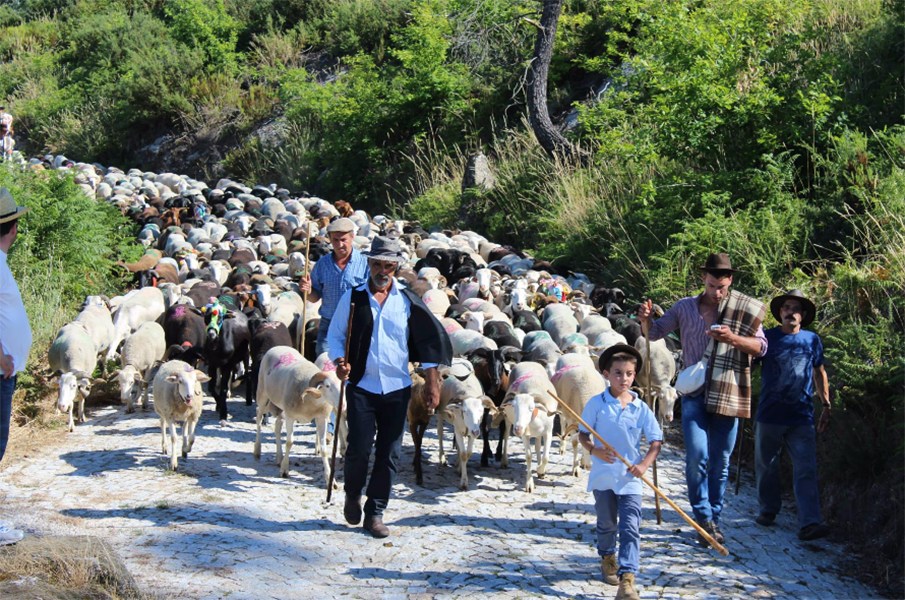
Transhumance is a traditional practice that has been part of Portugal’s agricultural life for centuries. This age-old practice involves shepherds leading their flocks of sheep to higher mountain pastures during the summer months, seeking cooler climates and abundant grazing land. Although this practice has declined in recent years due to modern agriculture, it is still carried out in the Centro region of Portugal today, offering a glimpse into a way of life that connects the land, history, and nature.

The Origins and History

Transhumance is believed to have originated on the Iberian Peninsula during the Iron Age. Originally, it was a practical solution for shepherds to find better grazing areas in the summer months. Over time, it became a more organized practice. During the Middle Ages, shepherds would travel in groups, making the journey safer, and would build shelters and corrals in the mountains to house their flocks.

Though the practice began to decline in the 20th century with the rise of modern farming methods that made year-round grazing possible, it continues today due to its sustainability. Transhumance helps to preserve landscapes, promote biodiversity, and prevent overgrazing by allowing sheep to graze on diverse vegetation and spread nutrients through seed dispersal.

Experiencing Transhumance Today

Visitors to Portugal can experience transhumance in various ways, especially in the Centro region:

  • Transhumance Trails: These walking paths wind through picturesque landscapes, offering stunning views of mountains and valleys. As you walk, you’ll learn about the history of transhumance and have the chance to observe the sheep grazing in their natural environment.
  • Transhumance Festivals: The region hosts annual festivals that celebrate this tradition. These festivals are an opportunity to meet the shepherds, discover their way of life, and experience cultural activities related to transhumance.

The practice is an immersive way to understand Portugal’s rural heritage and the rhythms of nature that have shaped the country for centuries.

For more information about the Transhumance Trails and festivals, check out the official resources from Turismo do Centro here and the Visit Castro Daire website.

This unique tradition not only helps maintain ecological balance but also invites visitors to experience the rural soul of Portugal.

#Useful_Tips #Portugal_Unplugged


If you want this as a day out
I run private and small-group days in 100% electric vehicles. Related option:

Weekly market & traditions day – check dates on the site.

300 Ways to Enjoy Portugal’s Beloved Codfish Tradition

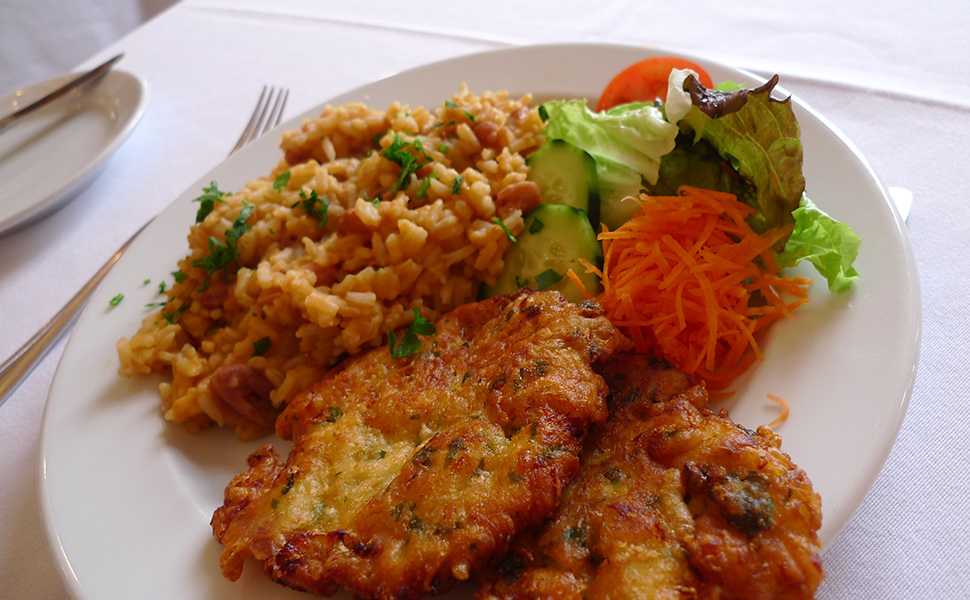
Bacalhau, or salted and dried codfish, is not just a dish but a cornerstone of Portuguese cuisine. The Portuguese have a rich history with bacalhau, and it is often said that there are over 300 ways to prepare this beloved fish. In fact, Portugal is the world’s largest consumer of salted cod, a tradition that dates back to the 15th century.

History of Bacalhau

The journey of bacalhau began when Portuguese sailors encountered the fish off the coast of Newfoundland, Canada. They quickly realized that the fish could be preserved by salting and drying, which made it an ideal food for long voyages. This preservation method ensured that cod could be stored for months, making it a vital food for sailors and travelers. Bacalhau became a staple of the Portuguese diet by the 16th century, offering a reliable source of protein. In the 19th century, Portugal began importing cod from Norway, which further fueled the growing demand for this fish.

Bacalhau Today

Today, bacalhau is central to Portuguese gastronomy, particularly during special occasions such as Christmas and Easter. Its versatility is unmatched, with a vast array of traditional recipes. Bacalhau is often found in celebrations and is even featured in festivals dedicated entirely to the fish.

Popular Bacalhau Dishes

  1. Bacalhau à Brás – A dish made with shredded bacalhau, eggs, potatoes, and olives.
  2. Bacalhau à Lagareiro – Cod baked with garlic, olive oil, and potatoes.
  3. Bacalhau à Minhota – A version served with onions and sautéed in olive oil.
  4. Bacalhau à Gomes de Sá – Cod with onions, garlic, and potatoes, typically baked in the oven.
  5. Bacalhau à Zé do Pipo – A creamy version topped with mashed potatoes and mayonnaise.
  6. Bacalhau com Natas – Cod baked in a creamy sauce with potatoes.
  7. Bacalhau com Broa – Cod paired with a crunchy cornmeal crust.
  8. Bacalhau Cozido com Grão – Boiled cod served with chickpeas.
  9. Bacalhau com Todos – Cod served with boiled vegetables.
  10. Pastéis de Bacalhau – Cod croquettes (without cheese inside!).
  11. Pataniscas de Bacalhau – Cod fritters.

The diversity of bacalhau dishes showcases its adaptability and the deeply ingrained place it holds in Portuguese culinary traditions.

If you’re ever in Portugal, be sure to try bacalhau in a traditional restaurant. The best spots will be filled with locals enjoying this iconic dish. Don’t miss the chance to immerse yourself in this delicious part of Portuguese culture!

#Useful_Tips #Portugal_Unplugged

Santarém: Portugal’s Gothic Gem and Gateway to Ribatejo

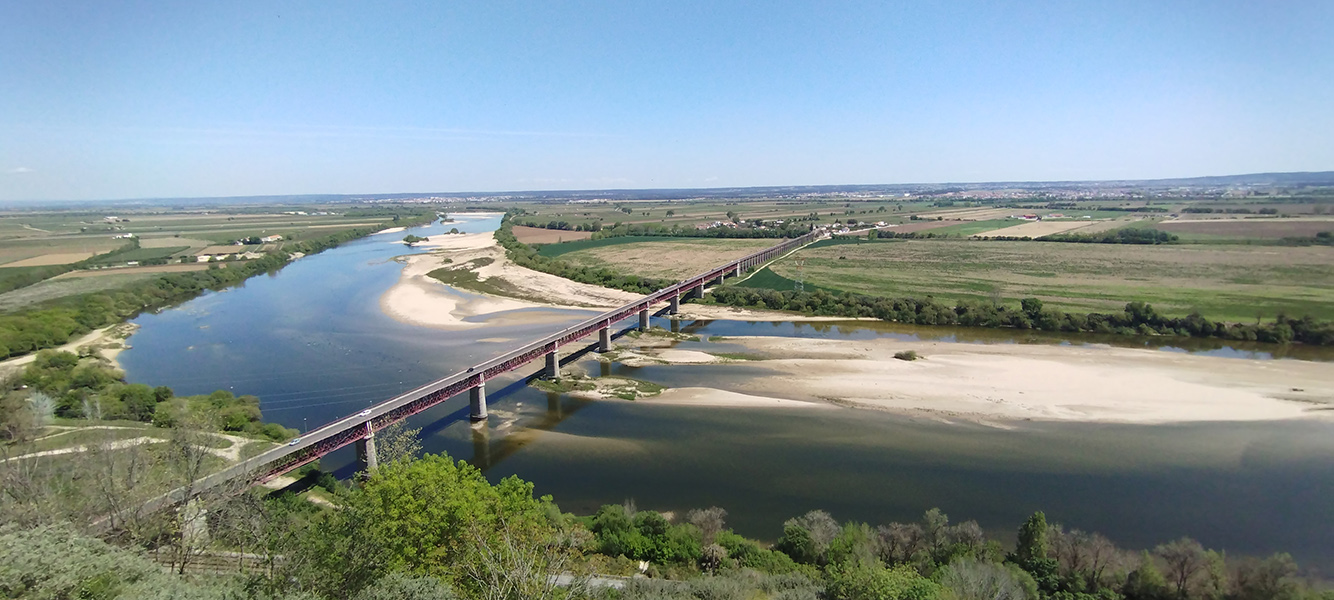
Located in the heart of Portugal, Santarém is a gem steeped in history, culture, and gastronomy. Known as the Gothic Capital of Portugal, the city is a must-visit destination for lovers of medieval architecture and rich local traditions.

Architectural Highlights

Santarém is home to a wealth of Gothic architecture:

  • Igreja da Graça: Famous for its elegant façade and the tomb of Pedro Álvares Cabral, the navigator who discovered Brazil.
  • Igreja de São João and Igreja de São Francisco: Stunning examples of Gothic art and design.
  • Portas do Sol: A medieval fortification with breathtaking views of the Tagus River and the surrounding Ribatejo countryside. These walls, part of the Knights Templar’s defensive line, offer a glimpse into Portugal’s history during the Reconquista.

Rural Traditions and Events

As the capital of Ribatejo, Santarém is deeply connected to horses, bullfighting, and farming. Highlights include:

  • The National Agricultural Fair: A celebration of the region’s farming heritage, attracting visitors from across Portugal and beyond.
  • The Gastronomic National Festival, where you can indulge in local culinary delights.

Local Flavors

Santarém is a paradise for food lovers. Don’t miss:

  • Pampilhos: Sweet treats made with puff pastry and cinnamon filling.
  • Arrepiados: Almond cookies with a unique texture and flavor.

Education and Innovation

The city houses the Escola Superior Agrária, a prominent agricultural university that fosters research and innovation in farming and environmental studies, strengthening the region’s rural traditions.

Gateway to Nearby Wonders

Santarém also serves as an excellent base to explore nearby areas, including:

  • Almeirim, famous for its sopa da pedra (stone soup).
  • The Avieiras villages, charming riverside communities.
  • Golegã, renowned for its equestrian culture.
  • Chamusca, a quiet countryside retreat.

Plan Your Visit

Santarém offers a unique blend of history, tradition, and modernity, making it a versatile destination. Whether you’re drawn by its stunning architecture, local gastronomy, or cultural festivals, this city promises an unforgettable experience.

For nearby attractions, check out:

#Useful_Tips #Portugal_Unplugged


If you want this as a day out
I run private and small-group days in 100% electric vehicles. Related option:

Custom private day – ask if you want this on a tour – check dates on the site.