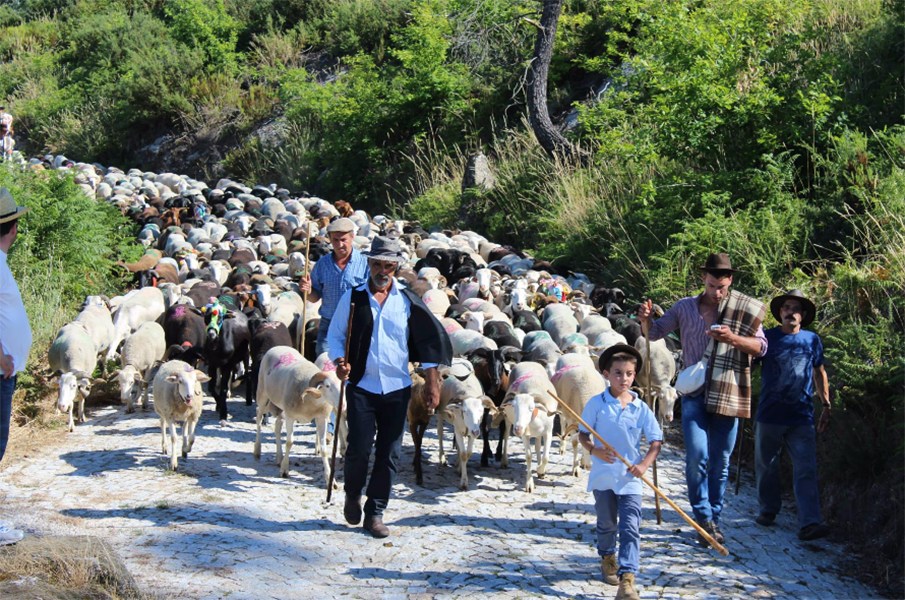
Transhumance is a traditional practice that has been part of Portugal’s agricultural life for centuries. This age-old practice involves shepherds leading their flocks of sheep to higher mountain pastures during the summer months, seeking cooler climates and abundant grazing land. Although this practice has declined in recent years due to modern agriculture, it is still carried out in the Centro region of Portugal today, offering a glimpse into a way of life that connects the land, history, and nature.
The Origins and History
Transhumance is believed to have originated on the Iberian Peninsula during the Iron Age. Originally, it was a practical solution for shepherds to find better grazing areas in the summer months. Over time, it became a more organized practice. During the Middle Ages, shepherds would travel in groups, making the journey safer, and would build shelters and corrals in the mountains to house their flocks.
Though the practice began to decline in the 20th century with the rise of modern farming methods that made year-round grazing possible, it continues today due to its sustainability. Transhumance helps to preserve landscapes, promote biodiversity, and prevent overgrazing by allowing sheep to graze on diverse vegetation and spread nutrients through seed dispersal.
Experiencing Transhumance Today
Visitors to Portugal can experience transhumance in various ways, especially in the Centro region:
- Transhumance Trails: These walking paths wind through picturesque landscapes, offering stunning views of mountains and valleys. As you walk, you’ll learn about the history of transhumance and have the chance to observe the sheep grazing in their natural environment.
- Transhumance Festivals: The region hosts annual festivals that celebrate this tradition. These festivals are an opportunity to meet the shepherds, discover their way of life, and experience cultural activities related to transhumance.
The practice is an immersive way to understand Portugal’s rural heritage and the rhythms of nature that have shaped the country for centuries.
For more information about the Transhumance Trails and festivals, check out the official resources from Turismo do Centro here and the Visit Castro Daire website.
This unique tradition not only helps maintain ecological balance but also invites visitors to experience the rural soul of Portugal.
#Useful_Tips #Portugal_Unplugged
If you want this as a day out
I run private and small-group days in 100% electric vehicles. Related option:
Weekly market & traditions day – check dates on the site.