Windmills have long been an iconic part of Portugal’s rural landscape, standing tall against the rolling hills and coastal winds. These traditional structures have been used for centuries, and despite modern advancements, they still play an important role in the country’s history and culture. While many windmills are no longer operational, their legacy endures, and they offer a fascinating glimpse into Portugal’s past. Let’s explore the different types of windmills and where you can find these historical gems throughout the country.
A Glimpse into the History of Portuguese Windmills
The primary purpose of windmills in Portugal was to grind cereal grains, which were essential for baking bread and pastries. Historically, they were indispensable tools for agriculture and the production of flour, and they were spread across various regions of the country. Over time, windmills became a symbol of rural life and craftsmanship, blending with the natural landscape.
Although many of these windmills are no longer in use, a concerted effort to preserve them has ensured that some remain operational or have been repurposed for other uses, such as housing, museums, or bed and breakfasts. However, the remaining windmills are often seen as a fading memory of a bygone era.
Types of Windmills in Portugal
There are several types of windmills across Portugal, each with its unique design and regional influence. Here are the main types you might encounter:
1. Tower Windmills
The most common type, Tower Windmills feature a tall cylindrical tower made of stone or brick. These windmills house the machinery used to grind grain, and the top of the tower is capped with a rotating roof that allows the sails to catch the wind. These iconic structures can be found throughout the country and are a testament to the ingenuity of traditional Portuguese craftsmanship.
2. Mediterranean Windmills
A smaller, yet equally distinctive design, Mediterranean Windmills are built using brick or stone. These windmills are designed so that the cap can be rotated manually from the outside using a large beam, a method that reflects the Mediterranean influences in the region’s architecture.
3. Wooden Windmills
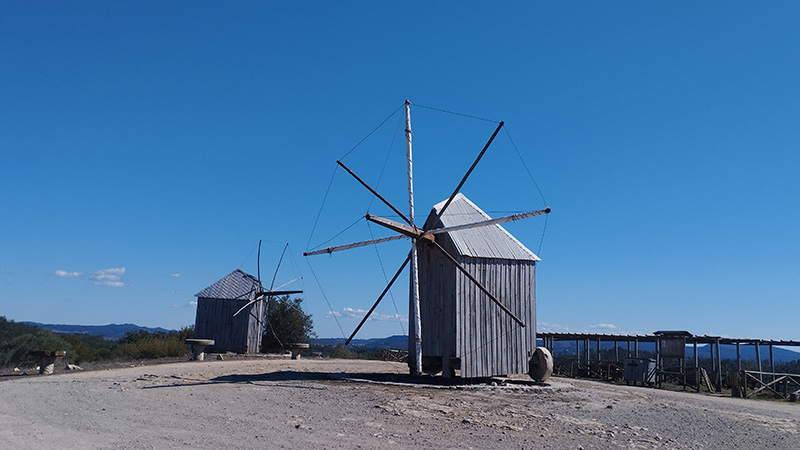
In some areas of central Portugal, particularly in Ansião and Pombal, you’ll find wooden windmills inspired by Eastern designs. These windmills are smaller in size but offer a unique charm and historical value, contributing to the diverse windmill landscape of Portugal.
Where to Find Windmills in Portugal
If you’re traveling around Portugal and want to experience the beauty and history of these windmills, there are several regions where you can still see them in all their glory. Here are some top locations to visit:
Sintra
- Moinho de Mira Sintra
- Moinho de São João das Lampas
- Moinho de Montelavar
Torres Vedras
- Moinho dos Caixeiros
- Moinho do Casal do Moinho do Frade (Still operating)
- Moinhos de Catefica
Lisbon
- Moinhos de Santana
More Information
Mafra
- Moinhos da Malveira
Barreiro
- Moinhos de Alburrica
More Information
Viana do Castelo
- Moinhos de Montedor
More Information
Esposende
- Moinhos da Apúlia
Penacova
- Moinhos da Atalhada
- Moinhos de Gavinhos
- Moinhos da Portela da Oliveira (Don’t miss the Windmill Museum Vitorino Nemésio)
More Information Museum Information
Ansião
- Moinho do Monte da Ovelha
- Moinho da Melriça
- Moinho do Outeiro
More Information
Pombal
- Moinho das Corujeiras
Serra de Montejunto (Alenquer / Cadaval)
- Moinho de Avis (Still operating, and you can buy flour directly from the miller on weekends!)
More Information - Moinho do Penedo dos Ovos
More Information
Palmela
- Moinhos da Serra do Louro
More Information
Discovering More Windmills Across Portugal
The windmills scattered throughout Portugal are more than just historical landmarks; they represent the resilience and resourcefulness of the country’s rural communities. Visiting them offers an opportunity to connect with the past while enjoying the picturesque landscapes that make Portugal such a unique destination. Whether you’re an architecture enthusiast, a history buff, or simply a curious traveler, these windmills are sure to leave a lasting impression.
There are many more windmills to discover beyond this list, but these are just a few of my favorites from my travels. I hope you enjoy exploring the windmills of Portugal, and I’d love to see your photos and experiences shared with the world. Happy travels, and don’t forget to stop and admire the beautiful windmills!
#Lisbon #Useful_Tips #Portugal_Unplugged
If you want this as a day out
I run private and small-group days in 100% electric vehicles. Related option:
Weekly market & traditions day – check dates on the site.